

Nearly 40 percent of american consumers say they want clothing that does more than just look good. In a world where technology touches almost every part of life, the idea of your shirt or jacket connecting to your phone no longer sounds like science fiction. App‑connected apparel is changing how people experience fashion, blending digital convenience with personal style and real-world functionality that many have only just begun to explore.
Table of Contents
- Defining App‑Connected Apparel
- Types Of App‑Connected Garments
- How App‑Connected Apparel Works
- Practical Uses For Connected Clothing
- Risks And Requirements To Consider
- Alternatives To App‑Connected Apparel
Key Takeaways
| Point | Details |
|---|---|
| Integration of Fashion and Technology | App-connected apparel merges aesthetics with functionality, enabling smart features that enhance user experiences. |
| Variety of Applications | The garments serve diverse purposes, including fitness tracking, health monitoring, and professional safety, adapting to various user needs. |
| Data Privacy Concerns | With extensive data collection, users must be aware of privacy implications and the need for secure data management in smart clothing. |
| Alternatives Available | Traditional clothing remains an option for those who prefer simplicity and durability, avoiding the complexities associated with tech-integrated apparel. |
Defining app‑connected apparel
App-connected apparel represents a cutting-edge fusion of fashion and technology, transforming traditional clothing into intelligent, interactive garments that seamlessly integrate digital functionality with personal style. These innovative clothing pieces are embedded with smart technologies like sensors, microprocessors, and wireless connectivity, enabling them to communicate with smartphone applications and provide enhanced user experiences.
At its core, app-connected apparel allows wearers to monitor, control, and interact with their clothing through dedicated mobile applications. These smart garments can track various metrics such as body temperature, movement patterns, fitness performance, and even environmental conditions. For instance, a smart jacket might adjust its internal heating based on real-time temperature readings, while a fitness shirt could analyze your workout intensity and provide performance insights through its companion app Tech-Infused Clothing Explained.
The technological integration in these garments goes far beyond simple tracking. Modern app-connected apparel can include features like:
- Biometric data collection and analysis
- Adaptive temperature regulation
- GPS tracking and location services
- Emergency alert systems
- Customizable lighting and color changes
- Gesture-controlled interactions
This revolutionary approach to clothing transforms wearable technology from a niche concept into a practical, stylish everyday reality. By bridging the gap between fashion and functionality, app-connected apparel offers users unprecedented control and insights into their personal environment and physical performance.
While still an emerging technology, app-connected apparel represents a significant leap forward in how we perceive and interact with our clothing. Why Choose Tech Apparel highlights that these smart garments are not just about technological novelty, but about creating more responsive, personalized, and intelligent clothing experiences that adapt to individual user needs and preferences.
Types of app‑connected garments
App-connected garments represent a diverse and rapidly evolving category of smart clothing, spanning multiple functional domains and style categories. These intelligent garments are designed to address various user needs, from fitness tracking to health monitoring, professional performance enhancement, and personal safety. What Is Tech-Infused Apparel highlights the incredible versatility of these innovative clothing technologies.
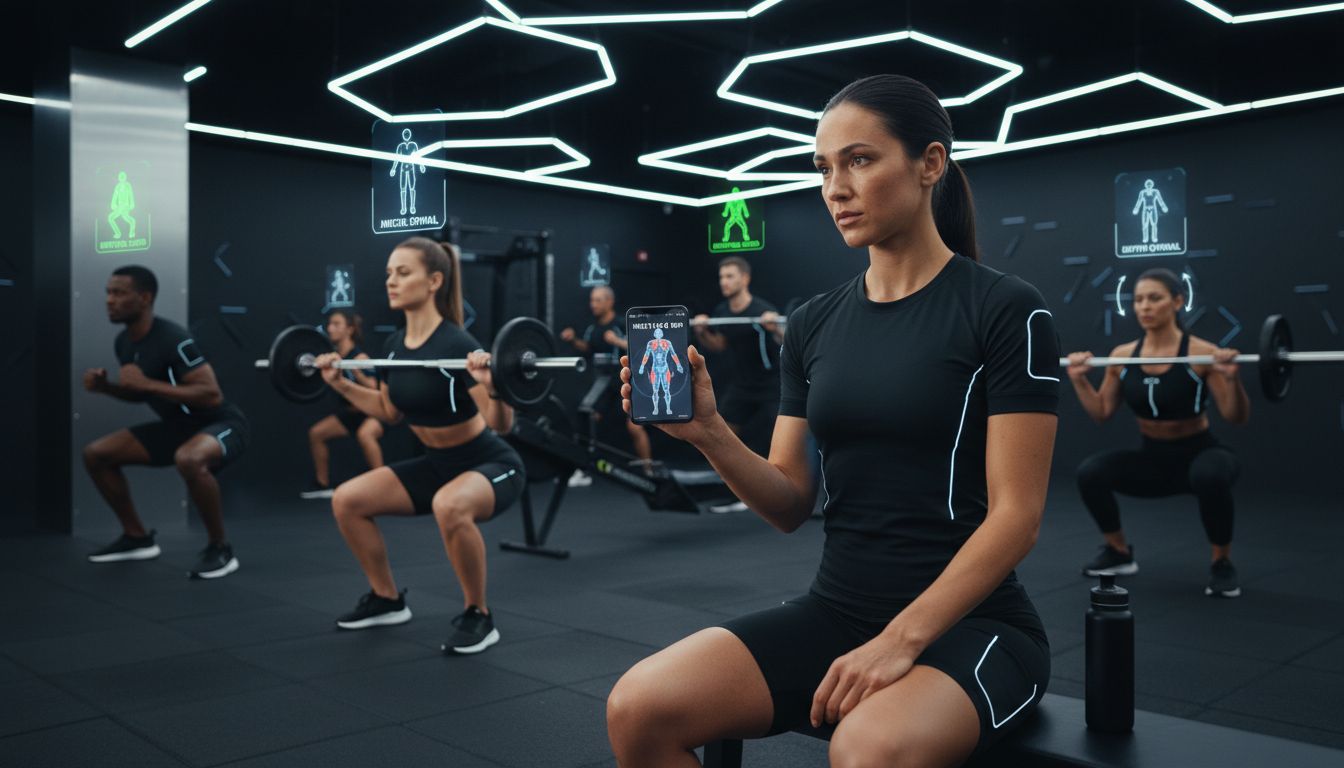
Fitness and Performance Apparel represents the most mature segment of app-connected garments. These smart clothing items include compression shirts with embedded heart rate monitors, running shorts that track stride length and cadence, and workout jerseys that analyze muscle engagement and fatigue levels. Athletes and fitness enthusiasts can receive real-time performance metrics, allowing for more precise training and recovery strategies.
Another significant category is Health Monitoring Garments, which go beyond fitness tracking to provide comprehensive physiological insights. These include:
- Smart compression wear that monitors cardiovascular metrics
- Underwear with temperature and hydration tracking capabilities
- Sleepwear that analyzes sleep patterns and quality
- Posture-correcting shirts with spinal alignment sensors
Professional and Safety Apparel introduces another fascinating dimension to app-connected clothing. These garments are designed for workers in high-risk environments, offering features like:
- GPS tracking for remote workers
- Temperature and environmental hazard detection
- Emergency alert systems
- Vital sign monitoring for first responders and industrial workers
Lastly, Fashion-Tech Crossover Garments blend aesthetic design with technological functionality. These pieces incorporate customizable lighting, color-changing capabilities, and interactive design elements that can be controlled via smartphone applications. 7 Advantages of Tech Apparel underscores how these garments are transforming the traditional boundaries between fashion, technology, and personal expression.
How app‑connected apparel works
App-connected apparel operates through a sophisticated ecosystem of integrated technologies that transform traditional clothing into intelligent, interactive systems. At its core, these garments leverage a combination of advanced sensors, microprocessors, wireless connectivity, and smart textile materials to create a seamless bridge between physical clothing and digital interactions. InvisiTech Wear represents the cutting edge of this technological convergence.
The fundamental working mechanism involves embedded sensor networks strategically placed within the fabric. These sensors can track a wide range of physiological and environmental data points, including body temperature, heart rate, movement patterns, and even subtle muscle interactions. Miniature microprocessors process this raw data in real-time, converting complex biological signals into meaningful insights that can be transmitted wirelessly to companion smartphone applications.
Key technological components that enable app-connected apparel include:
- Conductive Textile Circuits: Specialized fabric materials with integrated electrical pathways
- Flexible Microprocessors: Ultra-thin, bendable computing units woven directly into clothing
- Bluetooth Low Energy (BLE) Transmitters: Wireless communication modules with minimal power consumption
- Adaptive Sensors: Responsive elements that can detect and adjust to environmental changes
The communication process happens through sophisticated wireless protocols that ensure secure, efficient data transmission. When a user interacts with the companion app, commands can be sent back to the garment, enabling features like temperature regulation, lighting changes, or performance tracking. This two-way communication transforms clothing from a passive protective layer into an active, intelligent personal assistant that adapts to individual user needs and preferences.
Practical uses for connected clothing
Connected clothing has rapidly evolved from a technological novelty to a practical solution addressing diverse human needs across multiple domains. MDPI highlights that these intelligent garments serve critical functions in health monitoring, providing unprecedented insights into physiological parameters through integrated sensor technologies.
In healthcare and medical applications, connected clothing offers transformative possibilities. Patients with chronic conditions can benefit from continuous vital sign monitoring, with smart garments tracking heart rate, respiratory patterns, body temperature, and even detecting early warning signs of potential health complications. For individuals managing conditions like diabetes or cardiovascular diseases, these clothing items provide continuous, non-invasive health tracking that can alert users and medical professionals to critical changes in real-time.
The potential for performance enhancement and rehabilitation is equally remarkable. arXiv reveals fascinating developments in soft robotic applications, where fluidic fabric muscle sheets enable advanced functionalities such as:
- Assistive movement support for individuals with mobility challenges
- Rehabilitation tracking for physical therapy patients
- Enhanced athletic performance measurement
- Precise muscular engagement analysis
Beyond medical and performance domains, connected clothing addresses critical safety and environmental interaction needs. Smart garments can now provide environmental sensing, detect hazardous conditions, track location in remote work environments, and even adjust internal temperature based on external conditions. This transforms clothing from a passive protective layer to an active, intelligent system that responds dynamically to user needs and surrounding environments.
Risks and requirements to consider
App-connected apparel represents a complex technological ecosystem that demands careful consideration of multiple critical factors. MDPI emphasizes the paramount importance of addressing potential risks and technical challenges inherent in smart electro-clothing systems, particularly concerning data privacy, security vulnerabilities, and material durability.
Data privacy emerges as a primary concern in connected clothing technologies. These intelligent garments collect extensive personal physiological and environmental data, creating significant potential for unauthorized access or misuse. Users must carefully evaluate the data protection mechanisms of their chosen smart clothing, understanding how their personal information is collected, stored, processed, and potentially shared with third-party applications or service providers.
Technical requirements for sustainable and reliable connected clothing are multifaceted and complex. arXiv highlights critical technical considerations including:
- Power Management: Ensuring consistent and efficient energy consumption
- Electronic Component Resilience: Developing flexible, durable integrated circuits
- Performance Consistency: Maintaining functionality through repeated use and washing
- Signal Transmission Reliability: Preventing interference and data loss
Additionally, users must consider long-term maintenance and lifecycle costs. Smart clothing requires specialized care, potentially involving unique washing instructions, periodic calibration of sensors, and potential battery or electronic component replacements. The intersection of fashion, technology, and practicality demands a nuanced approach to selection, usage, and maintenance of these advanced garments.
Alternatives to app‑connected apparel
Traditional clothing continues to offer compelling alternatives for individuals seeking functionality without the complexity of smart technology. While app-connected apparel provides sophisticated tracking and interactive features, many consumers prefer simpler, more straightforward clothing options that prioritize comfort, durability, and classic design Products.
For fitness and performance tracking, traditional alternatives include standard athletic wear paired with separate wearable devices like fitness watches, heart rate monitors, and clip-on activity trackers. These standalone devices offer similar monitoring capabilities without requiring integrated electronic components in the clothing itself. This approach allows users to upgrade technology independently of their clothing, providing greater flexibility and potentially lower overall costs.
Alternative clothing options for different use cases include:
- Performance Sportswear: Compression clothing without smart features
- Compression Layers: Medical-grade support garments
- Thermal Regulation Clothing: Specialized materials for temperature management
- RFID-Blocking Accessories: Privacy-focused clothing additions
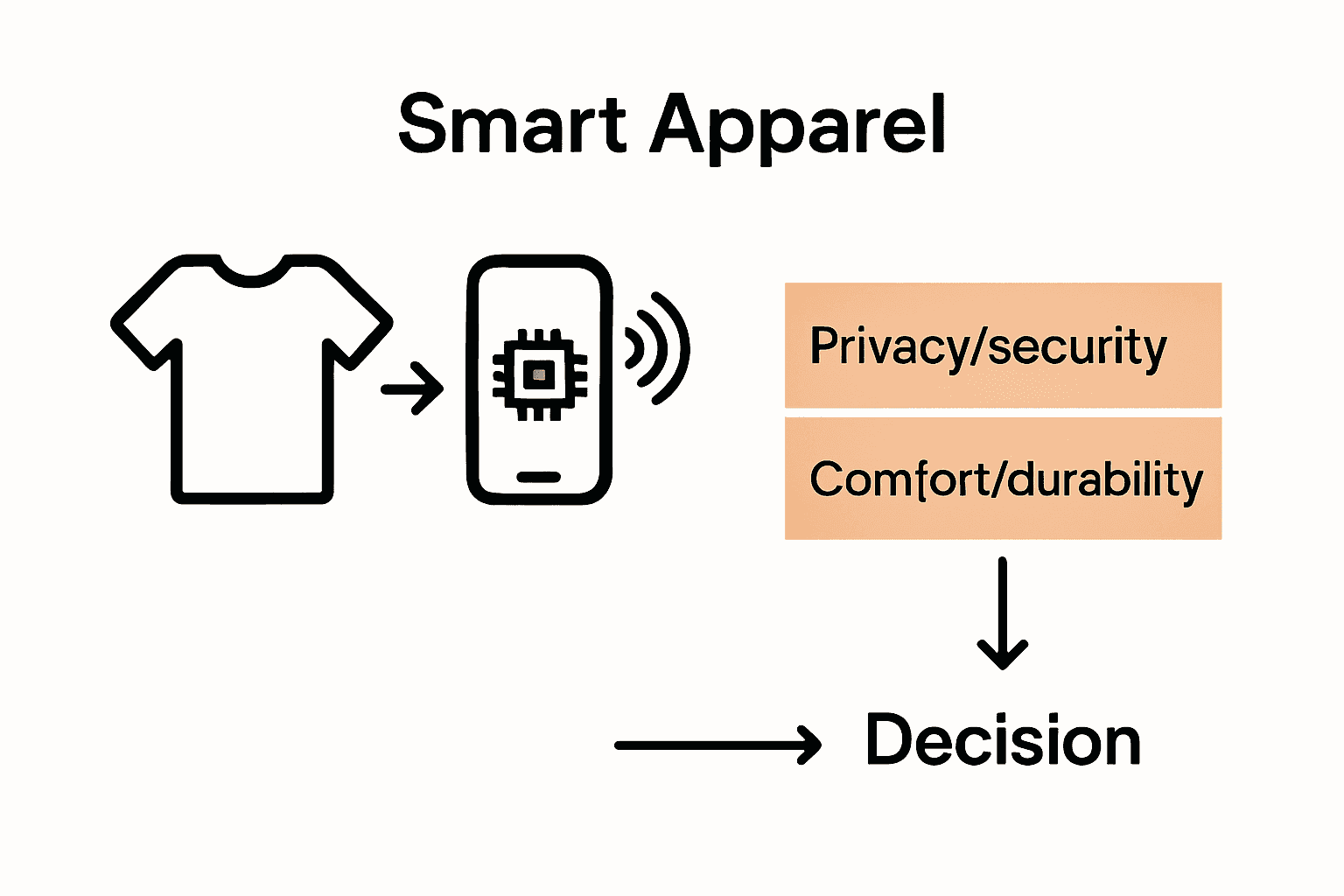
For individuals concerned about privacy, data security, or technical maintenance, traditional clothing remains an attractive option. These alternatives eliminate concerns about battery life, electronic component durability, and potential data breaches associated with app-connected garments. By choosing classic clothing designs, consumers can maintain personal style and functionality without the technological complexity of smart apparel.
Discover Versatile Smart Apparel for the Modern Lifestyle
The journey into app-connected apparel reveals a world where clothing is no longer just fabric but an intelligent partner in your daily life. If managing health data, adapting to your environment, or simply looking sharp with tech-savvy style appeals to you, then embracing smart fashion is the next step. Many face challenges like balancing privacy concerns, tech maintenance, and practicality while seeking garments that truly enhance convenience and security.
At InvisiTechWear, we understand these needs. Our curated Products collection features innovative apparel and accessories designed to merge advanced technology with sleek style. From smart jackets that respond to the environment to RFID-blocking wallets that protect your personal data, each piece addresses common concerns such as data privacy and durability while empowering your lifestyle.

Explore the future of fashion today. Visit our Home page to experience how app-connected apparel can transform your wardrobe and daily routine. Don’t wait to upgrade your style and functionality with tech-driven solutions that keep you secure, comfortable, and ahead of the curve.
Frequently Asked Questions
What is app-connected apparel?
App-connected apparel is a combination of fashion and technology that integrates smart technologies into clothing, allowing garments to communicate with smartphone applications for enhanced user experiences.
How does app-connected apparel work?
App-connected apparel works through embedded sensors, microprocessors, and wireless connectivity that collect and transmit data about the wearer’s physiological and environmental conditions to a companion app.
What are the main types of app-connected apparel?
The main types of app-connected apparel include fitness and performance apparel, health monitoring garments, professional and safety apparel, and fashion-tech crossover garments.
What are the risks associated with app-connected apparel?
Risks associated with app-connected apparel include data privacy concerns, potential security vulnerabilities, and the need for careful maintenance due to their integrated technology.


