

Bold moves in fashion are reshaping what American consumers expect from their wardrobes. With over half of shoppers now seeking technology-driven apparel, embracing smart fabrics and virtual design is no longer just a futuristic concept. This growing wave of innovation affects everything from comfort to personal expression, blending digital creativity with daily life. Discover how modern trends and breakthroughs are redefining what it means to wear and experience fashion today.
Table of Contents
- Defining Fashion Innovation And Modern Trends
- Types Of Fashion Innovation In Apparel
- How Technology Is Integrated Into Fashion
- Benefits And Practical Impact For Consumers
- Risks, Challenges, And Common Misconceptions
Key Takeaways
| Point | Details |
|---|---|
| Fashion Innovation Redefines Apparel | Modern fashion is evolving through technological advancements, mixing design with smart textiles to create personalized, interactive experiences. |
| Consumer Engagement is Key | Emerging technologies like virtual reality and AI empower consumers to customize their fashion choices, enhancing personal style while minimizing waste. |
| Challenges in Data Privacy | As smart clothing collects personal data, consumers must be aware of privacy concerns and understand how their information is used. |
| Sustainability Drives Innovation | Fashion innovation focuses on sustainability, using advanced materials and techniques to reduce waste and improve longevity of garments. |
Defining Fashion Innovation and Modern Trends
Fashion innovation represents the dynamic intersection where technological advancement meets aesthetic design, transforming how we perceive and interact with clothing and accessories. Modern trends are increasingly characterized by smart textiles, embedded technologies, and adaptive design principles that go far beyond traditional fashion paradigms. Digital fashion themes now encompass six critical dimensions: design, consumer experience, human body integration, virtual representation, advanced printing techniques, and reimagined supply chains.
The evolution of fashion innovation is not linear but multidirectional. Technological integration has disrupted conventional fashion development, enabling designers to experiment with materials, functionalities, and user experiences in unprecedented ways. Fashion trends now emerge through a complex “trickle-up” dynamic, where grassroots creativity and street-level innovations increasingly influence high-end design ecosystems. This shift challenges traditional top-down fashion hierarchies and democratizes creative expression.
Contemporary fashion innovation focuses on solving real-world problems while maintaining aesthetic appeal. Smart clothing with embedded sensors, temperature-regulating fabrics, and modular design elements represent cutting-edge approaches that blend form and function. Designers are no longer just creating garments but crafting interactive, responsive experiences that adapt to individual user needs and environmental conditions.
Pro Consumer Insight: Research emerging fashion technology trends across multiple platforms and understand how innovative designs solve practical lifestyle challenges. Stay curious and open-minded about how technology can transform your personal style and wardrobe functionality.
Types of Fashion Innovation in Apparel
Fashion innovation encompasses diverse technological and design approaches that transform traditional apparel into intelligent, responsive, and interactive experiences. Digital fashion technologies now enable hyper-realistic 3D garment simulations, allowing designers to create virtual clothing experiences that challenge conventional manufacturing and consumption models. These innovations range from smart textiles with embedded sensors to AI-driven design processes that reimagine how clothing can interact with and adapt to human bodies.
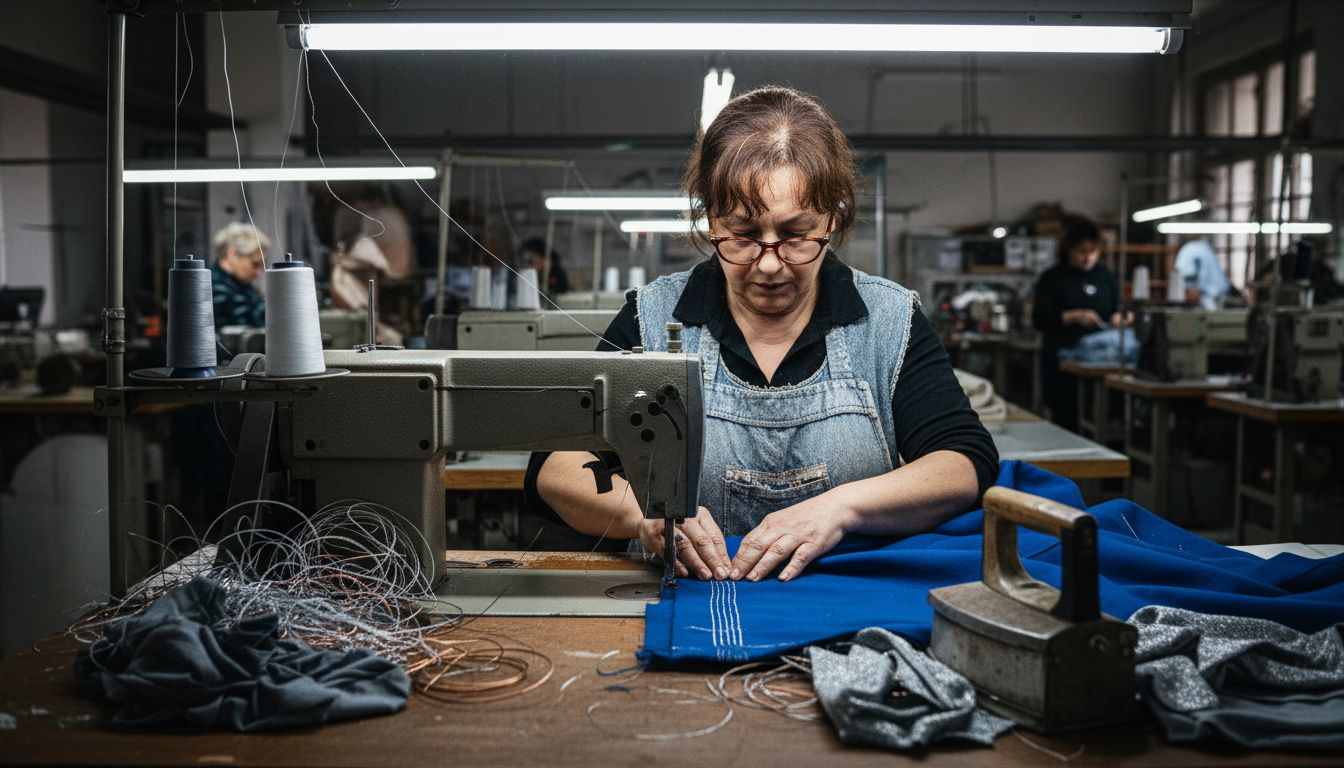
Sustainability has become a critical driver of apparel innovation, with techniques like reconstructed clothing gaining significant traction. This approach involves redesigning vintage or used garments into entirely new pieces, reducing waste and creating unique fashion statements. Smart textile technologies now integrate advanced materials that can regulate temperature, monitor health metrics, and even change color or pattern based on environmental conditions.
The landscape of fashion innovation is increasingly characterized by interdisciplinary collaboration between technologists, designers, materials scientists, and human-centered design experts. Wearable technologies now extend beyond simple fitness trackers, incorporating advanced biometric monitoring, adaptive performance fabrics, and modular design elements that allow clothing to transform and respond to user needs. These innovations blur traditional boundaries between fashion, technology, and personal expression.
Pro Fashion Tech Insight: Stay informed about emerging wearable technologies and explore how smart fabrics can enhance your personal style and functionality. Research brands pushing technological boundaries and experiment with innovative apparel that offers more than traditional clothing.
Here’s a summary of how different fashion technology innovations enhance modern apparel:
| Innovation Type | Core Functionality | Example Application | Consumer Value |
|---|---|---|---|
| Smart Textiles | Senses and responds to user/environment | Temp-regulating fabrics | Comfort and health insights |
| 3D Virtual Garment Sim | Digital visualization and prototyping | Custom digital clothing try-ons | Personalized fit, less waste |
| AI-Driven Design | Data-guided style and function creation | Style recommendations, pattern gen | Trend prediction, custom looks |
| Modular Design | Interchangeable/adaptable garment pieces | Detachable sleeves, switchable panels | Versatility, long-lasting use |
How Technology Is Integrated Into Fashion
Smart fabric technologies represent a groundbreaking frontier in fashion integration, transforming traditional textiles into intelligent, responsive systems. Modern apparel now incorporates advanced sensors, conductive materials, and embedded microprocessors that can monitor biometric data, adjust to environmental conditions, and provide unprecedented functionality. These technological innovations go beyond mere aesthetic enhancements, creating garments that actively interact with and respond to the wearer’s physiological needs.
The intersection of fashion and technology has dramatically expanded through immersive digital experiences. Emerging technologies like IoT and virtual reality are revolutionizing how consumers engage with fashion, enabling virtual try-on experiences, personalized digital styling, and interactive shopping environments. Digital integration allows designers to prototype and visualize clothing designs with unprecedented precision, while consumers can explore and customize fashion experiences through sophisticated digital platforms.
Technological integration in fashion extends across multiple domains, from manufacturing processes to consumer interactions. Advanced 3D printing techniques enable complex textile fabrication, while machine learning algorithms help predict fashion trends and personalize design recommendations. Wearable technologies now seamlessly blend aesthetic design with functional capabilities, creating clothing that can track health metrics, adjust temperature, and even change color or pattern based on environmental stimuli.
Pro Tech Fashion Insight: Embrace digital platforms and emerging technologies to explore and experiment with fashion innovations. Stay curious about how technology can transform your personal style and expand your understanding of what clothing can accomplish.
Benefits and Practical Impact for Consumers
Smart fabric technologies offer consumers unprecedented advantages in comfort, performance, and personal health monitoring. These innovative textiles transform everyday clothing from passive accessories into active, responsive systems that adapt to individual physiological needs. Performance enhancement becomes tangible through garments that can regulate body temperature, track fitness metrics, and provide real-time feedback about physical conditions, effectively turning clothing into a personal wellness tool.
Technological advancements in fashion are democratizing personalized experiences, enabling consumers to engage with fashion in more interactive and meaningful ways. Digital platforms now allow individuals to customize clothing designs, experience virtual try-ons, and make more informed purchasing decisions. These innovations reduce waste, improve fit accuracy, and provide consumers with greater control over their style choices, bridging the gap between personal expression and technological functionality.
Consumer benefits extend beyond individual garment experiences to broader sustainability and economic considerations. Technologically integrated clothing reduces environmental impact through more durable materials, precise manufacturing processes, and designs that adapt to changing user needs. Smart textiles can now self-repair, adjust to temperature variations, and provide longevity that traditional clothing cannot match, representing a significant shift towards more responsible and intelligent fashion consumption.
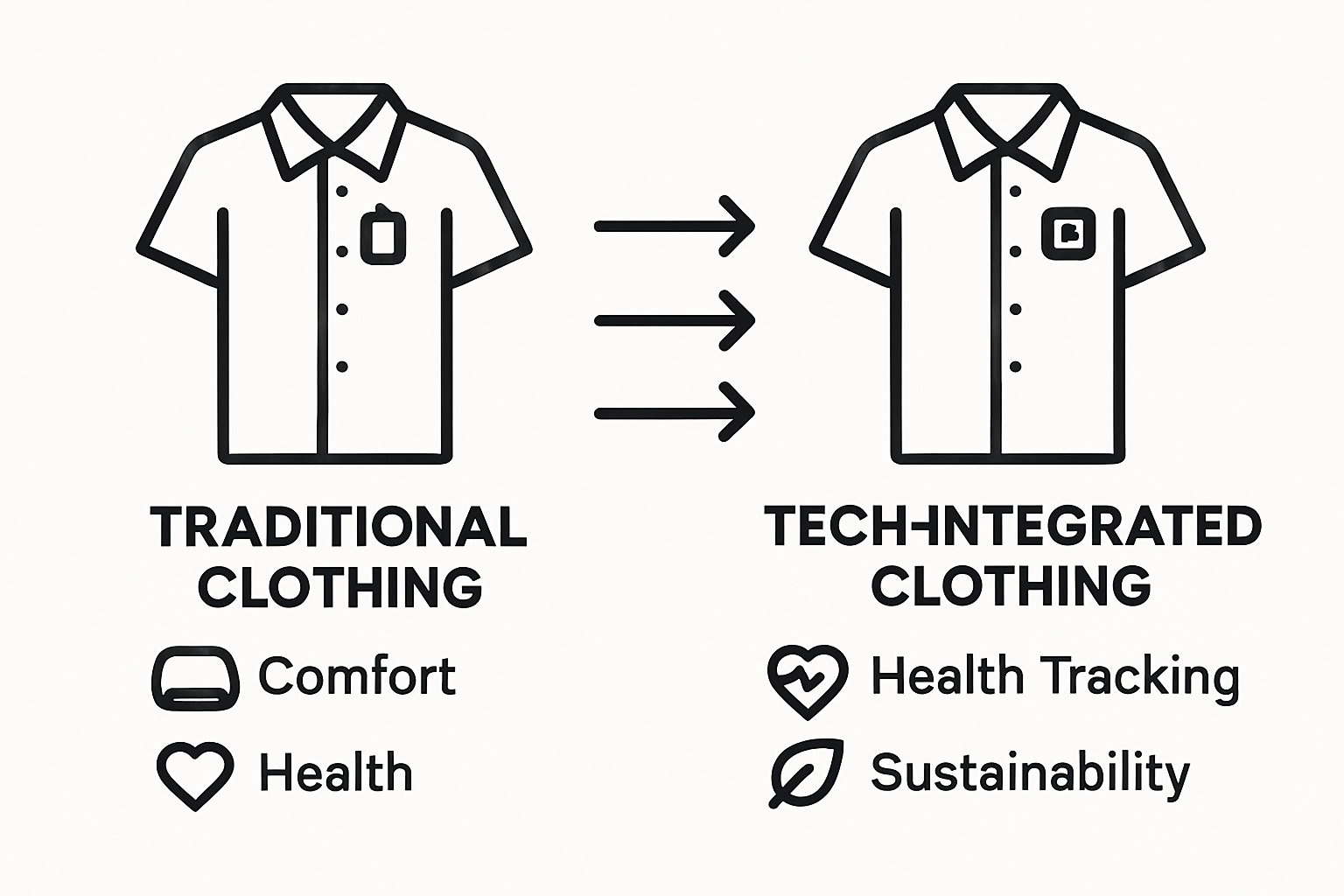
To better understand user advantages, here is a comparison of key consumer benefits from smart fashion innovations:
| Benefit | Traditional Clothing | Tech-Integrated Clothing |
|---|---|---|
| Comfort | Standard fit, static feel | Adaptive, environment-aware |
| Personalization | Limited, off-the-rack | Customizable digital designs |
| Sustainability | Fixed materials, waste | Lower waste, self-repair |
| Health Monitoring | None | Built-in biometric tracking |
Pro Consumer Tech Insight: Research emerging smart clothing technologies and invest in versatile, tech-enhanced garments that offer multiple functional benefits. Prioritize pieces that provide both style and practical technological advantages.
Risks, Challenges, and Common Misconceptions
The integration of AI and metaverse technologies in fashion introduces significant challenges that extend far beyond technological implementation. Data privacy concerns emerge as a critical issue, with smart clothing potentially collecting sensitive personal information that could be vulnerable to breaches or unauthorized tracking. Consumers must remain vigilant about understanding what data their technologically enhanced garments collect, how it is stored, and who has access to this increasingly intimate information.
AI-assisted apparel design confronts fundamental questions about creative authenticity and the evolving role of human designers. Many misconceptions suggest that technological innovations will completely replace human creativity, when in reality, these tools are most effective as collaborative platforms that augment rather than eliminate designer expertise. The challenge lies in maintaining a delicate balance between technological capability and human artistic expression, ensuring that innovation enhances rather than diminishes the creative process.
Technological dependency represents another significant risk in fashion innovation. While smart textiles offer unprecedented functionality, over-reliance on technological features can create vulnerability. Electronic components may fail, batteries can deplete, and complex systems might require specialized maintenance. Consumers need to approach tech-integrated fashion with a nuanced understanding, recognizing that these innovations are tools to enhance experience rather than infallible solutions that completely transform personal style.
Pro Cautionary Insight: Approach technological fashion innovations with informed skepticism. Research product specifications, understand data privacy policies, and maintain a balanced perspective that values both technological potential and personal creative expression.
Experience Fashion Innovation with InvisiTechWear
The article highlights the challenges of blending advanced technology with modern style while addressing usability, personalization, and security concerns. If you are seeking smart apparel and accessories that seamlessly combine smart textiles, modular design, and tech integration without compromising on aesthetic appeal, InvisiTechWear offers solutions tailored for you. From temperature-regulating fabrics to RFID-blocking wallets, our curated collections prioritize both your style and functional needs in everyday life.
Discover how these innovative designs can transform your wardrobe and lifestyle by exploring our range of Jackets – Daon Tech and Hoodies – Daon Tech that embody technology-meets-fashion principles. Each product embraces the future of interactive, adaptive clothing aimed at enhancing comfort, security, and convenience.
Take the next step toward mastering fashion innovation by shopping now at InvisiTechWear. Don’t wait to experience apparel and accessories that go beyond traditional style and empower your modern, tech-enabled lifestyle.
Frequently Asked Questions
What are smart textiles and how do they function?
Smart textiles are innovative fabrics integrated with technologies that can sense and respond to various stimuli. They often include embedded sensors and conductive materials that allow them to monitor biometric data, regulate temperature, and adapt to environmental conditions.
How is technology changing the way we experience fashion?
Technology is revolutionizing fashion by enabling immersive digital experiences such as virtual try-ons and customizable designs. It enhances consumer interaction, allowing for a more personalized and engaging shopping experience.
What are the sustainability advantages of tech-integrated clothing?
Tech-integrated clothing promotes sustainability by using durable materials and reducing waste through innovation. Features like self-repair and adaptive designs contribute to longer lifespan and lower environmental impact compared to traditional garments.
Can technological advancements in fashion compromise personal privacy?
Yes, technological integration in fashion raises data privacy concerns as smart clothing may collect sensitive personal information. Consumers should be aware of what data is collected, how it is stored, and who has access to it.


