

Most American consumers are surprised to learn that nearly 70 percent have tried some form of wearable technology, blending fashion with advanced digital features. As technology weaves into the fabric of daily life, apparel is evolving from simple style statements into intelligent tools. This trend is changing expectations around comfort, privacy, and personal expression through innovations that merge American ingenuity with high-tech design.
Table of Contents
- Fashion Meets Technology: Core Concepts
- Innovative Wearables and Smart Accessories
- Security and Privacy in Tech-Infused Apparel
- Benefits and Challenges of Tech-Driven Fashion
- How Tech Fashion Transforms Everyday Life
Key Takeaways
| Point | Details |
|---|---|
| Integration of Technology and Fashion | The convergence of technology and fashion is transforming how clothing functions, with smart designs enhancing both style and utility. |
| Privacy Challenges | As tech-infused apparel advances, there are significant concerns surrounding personal data protection and the need for robust privacy standards. |
| Empowerment Through Innovation | Modern wearables provide users with adaptive clothing that enhances daily experiences, making style and functionality coexist effectively. |
| Future of Smart Clothing | The success of tech-driven fashion relies on balancing innovation with user privacy, fostering trust and ethical practices in design. |
Fashion Meets Technology: Core Concepts
Technology and fashion are no longer separate domains but increasingly interconnected realms transforming how we perceive and interact with clothing. Innovative materials and digital integration are redefining the boundaries between wearable technology and personal style, creating garments that do far more than simply cover our bodies.
At the core of this convergence are advanced materials and smart design principles. Wearable technology now encompasses a range of innovations including conductive fabrics, embedded sensors, and adaptive clothing that can monitor health metrics, adjust temperature, or even change color based on environmental conditions. These technological interventions are not just gimmicks but functional enhancements that provide real value to the wearer.
The intersection of fashion and technology represents a profound shift in how we conceptualize clothing. No longer passive layers of fabric, modern apparel becomes an active interface between the human body and digital systems. From RFID-blocking materials that protect personal data to clothing with integrated charging capabilities, these innovations demonstrate that style and functionality can coexist seamlessly. Researchers like Aneta Genova and Katherine Moriwaki have extensively documented this evolution, highlighting how electronic components and digital fabrication techniques are fundamentally transforming design approaches.
Ultimately, the fusion of fashion and technology is about empowerment. It provides individuals with clothing that adapts, protects, and enhances their daily experiences. Whether it’s a jacket that regulates body temperature or a wallet that prevents digital theft, these innovations represent more than mere accessories - they are intelligent tools designed to make modern life more convenient, secure, and stylish.
Innovative Wearables and Smart Accessories
The evolution of wearable technology has transformed accessories from passive objects into intelligent, interactive companions that seamlessly integrate digital capabilities with personal style. Smart clothing and accessories now represent a sophisticated fusion of design, functionality, and cutting-edge technology that goes far beyond traditional fashion boundaries.
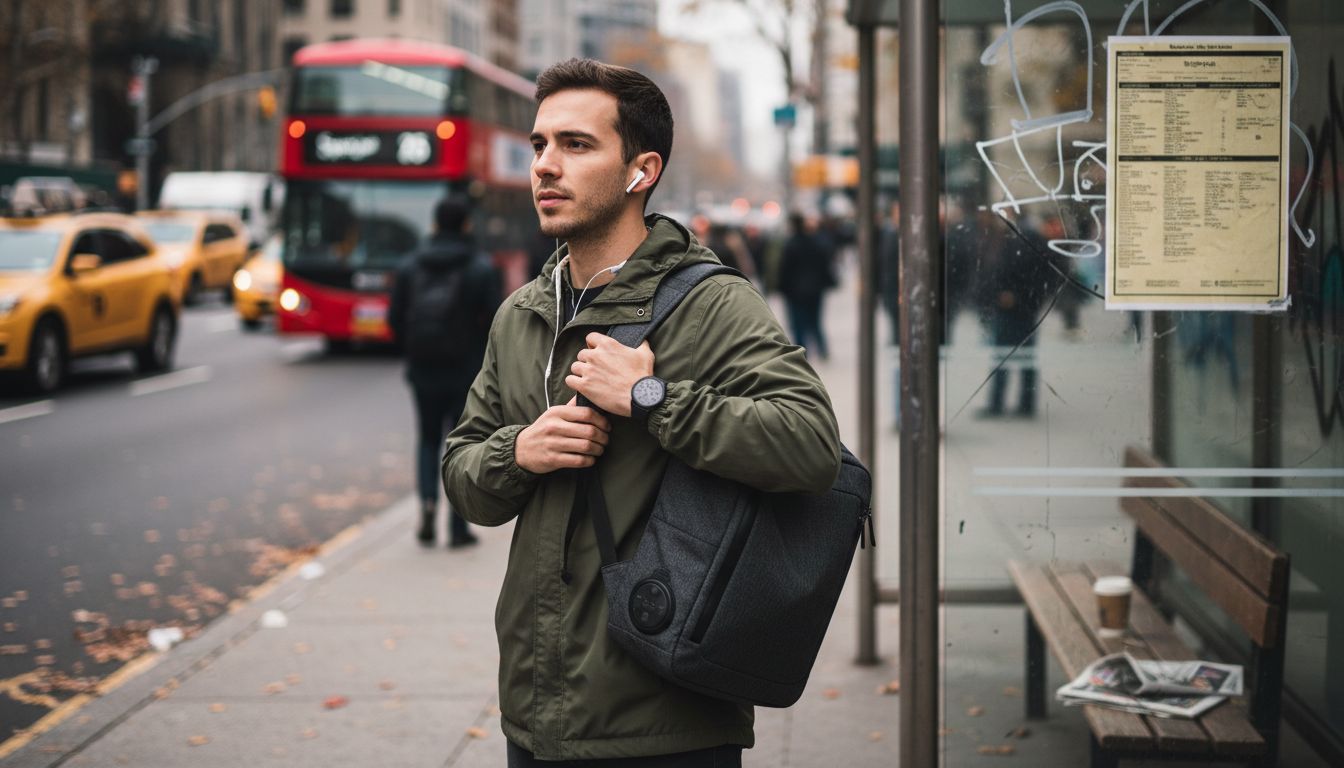
Modern wearables are pushing the limits of personal technology through sophisticated privacy-preserving design mechanisms. These advanced devices can now monitor health metrics, encrypt personal data, and provide intelligent interaction without compromising user privacy. Innovative approaches like gait-based encryption schemes demonstrate how wearable technology is developing nuanced methods to protect user information while delivering remarkable functionality.
The diversity of smart accessories is expanding rapidly, encompassing everything from fitness trackers and health monitors to contactless payment devices and security-enhanced wallets. These innovations are not just about adding technological features but about creating seamless, intuitive experiences that enhance daily life. Imagine a jacket that adjusts its thermal properties based on body temperature, or a wallet that actively prevents digital theft - these are no longer futuristic concepts but emerging realities.
Ultimately, innovative wearables represent more than technological marvels. They symbolize a profound shift in how we perceive the relationship between personal technology and individual expression. By integrating advanced functionalities into stylish, comfortable designs, these smart accessories are redefining the boundaries between fashion, technology, and personal empowerment.
Security and Privacy in Tech-Infused Apparel
The intersection of technology and fashion has raised critical questions about personal data protection and privacy. Tech-infused clothing now integrates advanced sensors and connectivity features that simultaneously offer convenience and potential privacy risks, making security a paramount concern for modern consumers.
Recent research has illuminated significant challenges in wearable technology privacy. Comprehensive analyses of consumer wearable technologies reveal widespread inconsistencies in data protection policies across manufacturers. These studies expose critical gaps where user data can be vulnerable, highlighting the urgent need for robust privacy standards that protect personal information while maintaining the innovative potential of smart apparel.
Innovative approaches are emerging to address these privacy challenges. Advanced data aggregation techniques like the SAMA scheme demonstrate how wearable technologies can implement sophisticated encryption and data management strategies. These methods allow users to share information securely, controlling precisely what personal data is transmitted and protecting sensitive details from unauthorized access.
Ultimately, the future of tech-infused apparel depends on striking a delicate balance between technological innovation and personal privacy. Consumers increasingly demand transparency, control, and robust security measures that protect their data without compromising the advanced functionalities that make smart clothing so compelling. As technology continues to evolve, the most successful innovations will be those that prioritize user privacy as a fundamental design principle.
Benefits and Challenges of Tech-Driven Fashion
Tech-driven fashion represents a complex ecosystem of innovation, where groundbreaking potential intersects with significant technological and ethical considerations. Why tech matters in apparel goes beyond simple aesthetic improvements, introducing transformative capabilities that fundamentally reshape our relationship with clothing.
The Internet of Things and wearable technology presents both extraordinary opportunities and nuanced challenges for modern consumers. While these technologies offer unprecedented personalization and functionality, they simultaneously raise critical questions about data privacy, security, and user autonomy. Innovative devices can now track health metrics, adjust environmental interactions, and provide intelligent feedback, but each advancement requires careful navigation of potential risks.
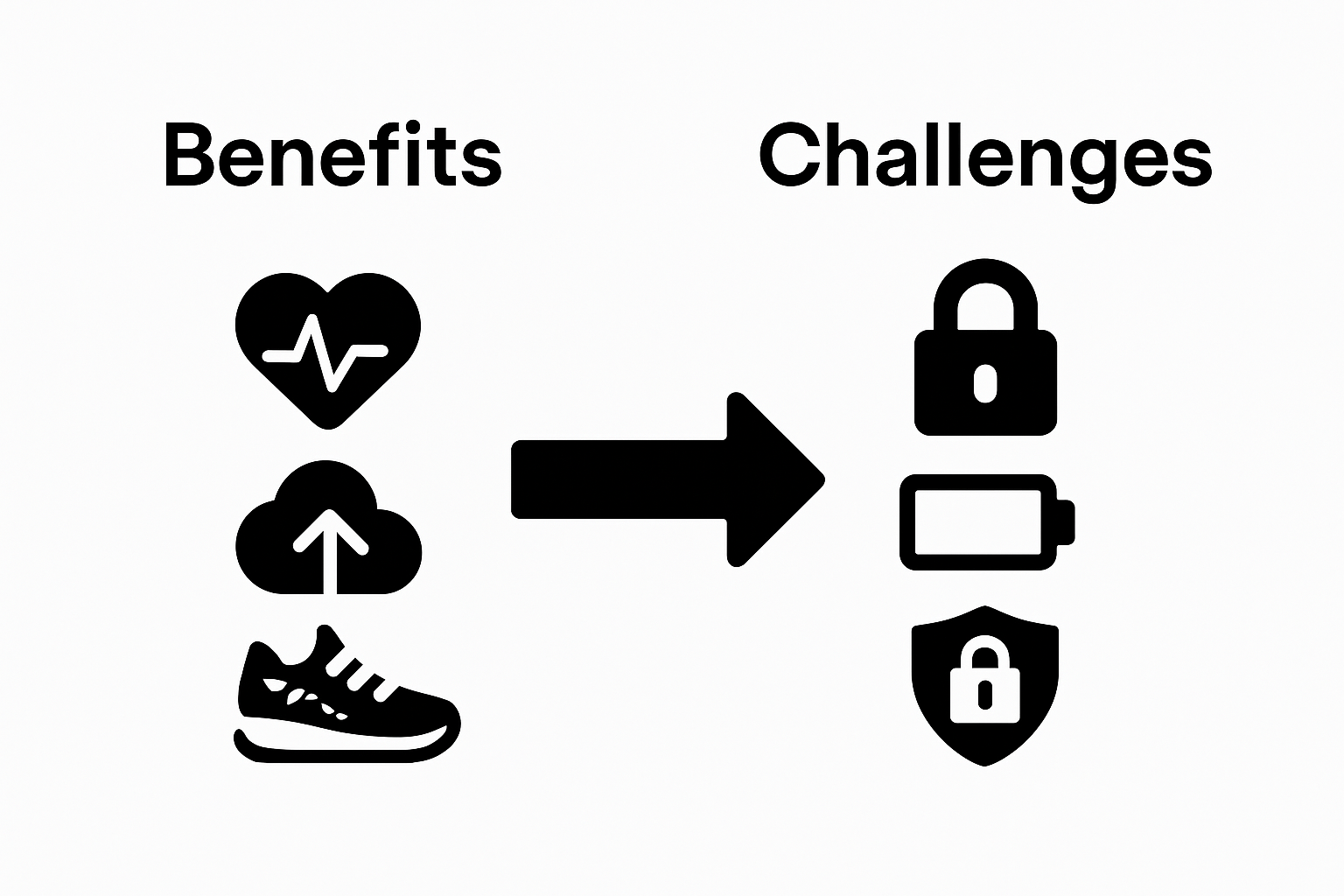
Privacy emerges as a critical battleground in tech-driven fashion. Advanced privacy-enhancing technologies are developing sophisticated frameworks that integrate federated learning and blockchain mechanisms to protect user data. These emerging solutions aim to create a delicate balance between technological innovation and individual privacy rights, ensuring that personal information remains secure while enabling the remarkable capabilities of smart clothing.
Ultimately, the future of tech-driven fashion depends on a collaborative approach that prioritizes user trust, technological transparency, and continuous ethical innovation. Successful implementations will seamlessly blend cutting-edge functionality with robust privacy protections, transforming clothing from passive garments into intelligent, responsive companions that genuinely enhance human experiences.
How Tech Fashion Transforms Everyday Life
Tech-enabled wear represents a revolutionary approach to integrating technology into our daily personal experiences, transforming mundane clothing into intelligent, responsive systems that adapt and interact with our environment. This radical reimagining of fashion goes far beyond aesthetic considerations, creating garments that actively enhance human capabilities and provide unprecedented levels of functionality.
Fashion and technology integration has dramatically expanded the potential of everyday clothing. Modern apparel now incorporates advanced materials and embedded technologies that can monitor health metrics, regulate body temperature, adjust to environmental changes, and even communicate with other digital devices. These innovations represent a fundamental shift from passive clothing to active, intelligent systems that respond dynamically to user needs.
The transformative potential of tech fashion extends across multiple domains of human experience. Wearable technology research highlights how these innovations are reshaping personal safety, health monitoring, and environmental interaction. Imagine jackets that can detect temperature changes and automatically adjust insulation, shirts that monitor heart rate and stress levels, or accessories that provide real-time navigation and communication capabilities without requiring additional devices.
Ultimately, tech fashion represents more than technological innovation - it embodies a profound reimagining of human potential. By seamlessly integrating advanced technologies into clothing, we are creating a future where our garments become extensions of our own capabilities, providing intelligent support, protection, and enhancement in ways previously confined to the realm of science fiction.
Experience the Future Where Fashion Meets Technology Today
The challenge many face is finding apparel and accessories that truly blend cutting-edge technology with everyday style and function. This article highlights the importance of privacy, convenience, and adaptive features like RFID-blocking materials and tech-enabled wearables that empower users without compromising their personal data or aesthetic. If you want clothing and gadgets that respond to your lifestyle while protecting your security, then InvisiTechWear offers the perfect solutions.
Discover our innovative collection of Jackets and Hoodies equipped with smart, protective technology.
Step into a smarter wardrobe today. Visit InvisiTechWear and explore how style meets function in every product. Shop now to elevate your everyday wear with technology designed for the modern individual who values innovation and security.
Frequently Asked Questions
What are the key benefits of integrating technology into fashion?
Integrating technology into fashion enhances functionality, allows for personalized experiences, and provides capabilities like health monitoring and environmental adaptation, thus transforming clothing from mere fabric into intelligent companions.
How does wearable technology enhance personal safety?
Wearable technology enhances personal safety through features such as health metrics monitoring, emergency alerts, and RF-blocking materials that protect personal information from digital theft.
What types of smart accessories are available in tech-driven fashion?
Smart accessories in tech-driven fashion include fitness trackers, health monitors, contactless payment devices, and security-enhanced wallets, all designed to seamlessly integrate functionality with personal style.
What privacy concerns are associated with tech-infused apparel?
Tech-infused apparel raises privacy concerns regarding data protection, as wearable technology can collect sensitive personal information. Robust privacy standards and encryption measures are essential to safeguard user data.


