

Most people think of tech clothing as uncomfortable or too flashy, but the reality is far more advanced. The average American now has access to apparel that uses sensors, smart fabrics, and even app connectivity. This matters because clothing is becoming a central part of daily technology use, not just an afterthought. Discover how these new trends are breaking old misconceptions and showing just how innovative apparel is changing the way people experience fashion.
Table of Contents
- Defining Innovative Apparel And Misconceptions
- Technological Advancements In Fashion Design
- Standout Features: Security And Functionality
- Real-World Applications In Everyday Wear
- Common Pitfalls And Consumer Considerations
Key Takeaways
| Point | Details |
|---|---|
| Innovative Apparel Redefined | Innovative apparel integrates advanced technologies into clothing, enhancing functionality and adapting to user needs. |
| Technological Integration | The use of digital design and smart textiles allows for precision, customization, and dynamic responses to environmental conditions. |
| Security and Functionality | Modern apparel features smart security measures and adaptive technologies that protect user data and monitor health signals. |
| Consumer Considerations | Consumers should be aware of data privacy, manage expectations, and evaluate the balance between technology and comfort when selecting tech-enabled clothing. |
Defining Innovative Apparel and Misconceptions
Innovative apparel represents far more than trendy gadgets or flashy accessories - it’s a sophisticated intersection where technology transforms traditional clothing into intelligent, adaptive systems. Fashion is no longer just about appearance, but functionality that anticipates and responds to human needs. Technological advancements in textiles have dramatically expanded what clothing can do beyond basic protection and style.
At its core, innovative apparel integrates cutting-edge technologies directly into fabric and design structures. These aren’t simple add-ons, but deeply embedded systems that enhance performance, comfort, and user experience. Smart fabrics can now monitor physiological signals, regulate temperature, provide UV protection, and even change color or texture based on environmental conditions. App-connected clothing represents a prime example, where garments interact with smartphones to provide real-time data and customizable experiences.
However, significant misconceptions persist about technological integration in fashion. Many people assume tech-enhanced clothing means complicated, uncomfortable, or aesthetically unappealing garments. The reality is quite different. Modern innovative apparel prioritizes seamless design, where technology is practically invisible, maintaining the elegance and comfort of traditional clothing. Designers are not replacing fashion’s artistic essence but augmenting it with intelligent functionality. The goal isn’t to create robotic clothing, but to develop intelligent, responsive garments that feel natural and enhance human capabilities.
The evolution of innovative apparel challenges traditional boundaries between fashion, technology, and personal utility. By breaking down preconceived notions, designers are creating a new category of clothing that is simultaneously stylish, functional, and deeply responsive to individual needs. This isn’t just a trend - it’s a fundamental reimagining of what clothing can be in the 21st century.
Technological Advancements in Fashion Design
Technological innovation is radically transforming the fashion design landscape, pushing boundaries far beyond traditional design methodologies. Digital design simulations have revolutionized how designers conceptualize, prototype, and bring clothing concepts to life. Modern fashion design now blends artistic creativity with sophisticated technological tools that enable unprecedented levels of precision, customization, and efficiency.
Advanced design technologies are reshaping every stage of the creative process. Computer-aided design (CAD) and virtual reality platforms now allow designers to create intricate 3D models, experiment with complex fabric interactions, and visualize garments before physical production. Virtual reality tools in fashion education are enabling students and professionals to explore design concepts with immersive, interactive experiences that were impossible just a decade ago. Artificial intelligence algorithms can now generate design recommendations, predict trend patterns, and even suggest fabric combinations based on extensive historical data.
The integration of technology goes beyond design tools - it’s transforming manufacturing, sustainability, and personalization. Smart textiles with embedded sensors can now collect performance data, adapt to environmental conditions, and provide unprecedented insights into garment functionality. Designers are no longer just creating clothing, but developing intelligent systems that interact dynamically with the human body. From temperature-regulating fabrics to garments that can change color or track biometric data, technological advancements are expanding the very definition of what clothing can accomplish.
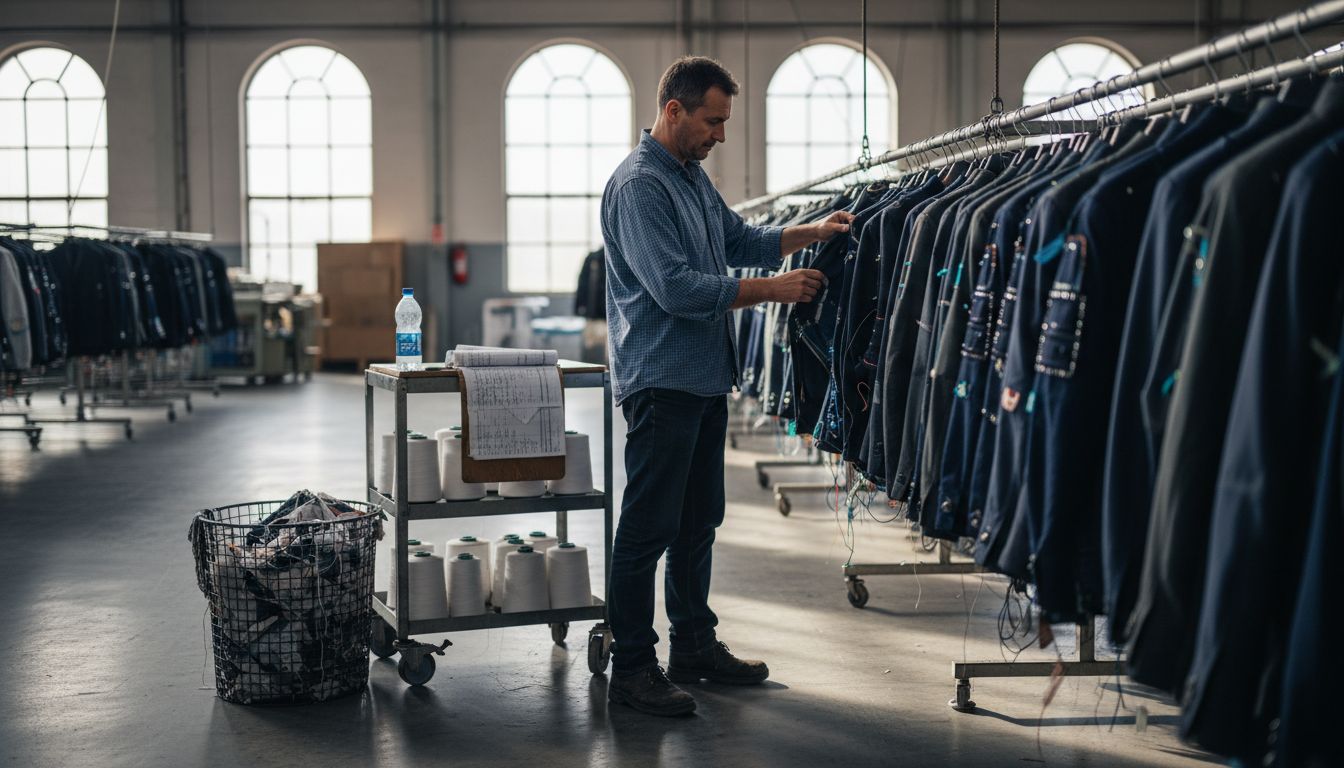
These technological innovations represent more than just incremental improvements. They signal a fundamental reimagining of fashion design as an interdisciplinary field where technology, creativity, and human experience converge. By embracing digital tools and advanced materials, designers are creating a new paradigm that promises more personalized, functional, and responsive clothing experiences for consumers worldwide.
Standout Features: Security and Functionality
Innovative apparel has transcended traditional design boundaries by integrating sophisticated security and functionality features that transform clothing from passive coverings to active technological companions. AI-driven personalization technologies are revolutionizing how consumers interact with their clothing, providing unprecedented levels of data protection and adaptive performance. Smart security features now range from RFID-blocking materials that prevent digital theft to embedded sensors that can track and protect personal information.
Functionality in modern tech apparel goes far beyond simple utility. Intelligent textile technologies are enabling garments to dynamically respond to environmental conditions, monitor physiological signals, and provide real-time feedback. These advanced systems can regulate body temperature, detect potential health anomalies, and even adjust fabric properties based on external stimuli. Imagine clothing that can cool you down during intense physical activity, automatically adjust to temperature changes, or alert you to potential medical concerns before they become serious.
Security in tech-enabled clothing extends well beyond physical protection. Digital safeguards are now intricately woven into fabric design, protecting users from potential data breaches and unauthorized tracking. Advanced encryption technologies and smart blocking mechanisms prevent electronic signals from compromising personal information. Some innovative designs incorporate electromagnetic shielding, creating wearable Faraday cages that protect smartphones, credit cards, and other electronic devices from potential digital threats.
The convergence of security and functionality represents a paradigm shift in apparel design. No longer are clothes merely passive layers of fabric - they are now intelligent, responsive systems that actively protect, support, and enhance human potential. By seamlessly integrating advanced technologies, designers are creating a new generation of clothing that thinks, adapts, and responds to individual needs with unprecedented sophistication and precision.
Real-World Applications in Everyday Wear
Innovative apparel is transforming mundane daily experiences by seamlessly integrating advanced technologies into clothing we wear every day. AI-driven design processes are revolutionizing how clothing adapts to individual needs, creating personalized performance wear that responds dynamically to users’ lifestyles. From commuters to athletes, professionals to weekend adventurers, tech-enabled clothing now offers intelligent solutions that go far beyond traditional fabric limitations.
Consider the practical applications across different scenarios. Professionals can now wear shirts that regulate body temperature during long meetings, preventing uncomfortable sweating. Fitness enthusiasts benefit from workout gear that monitors heart rate, tracks muscle performance, and provides real-time biomechanical feedback. Urban commuters can leverage jackets with integrated power banks, built-in navigation systems, and climate-adaptive materials that protect against unexpected weather changes. These aren’t futuristic concepts - they’re real-world technologies being integrated into everyday clothing right now.
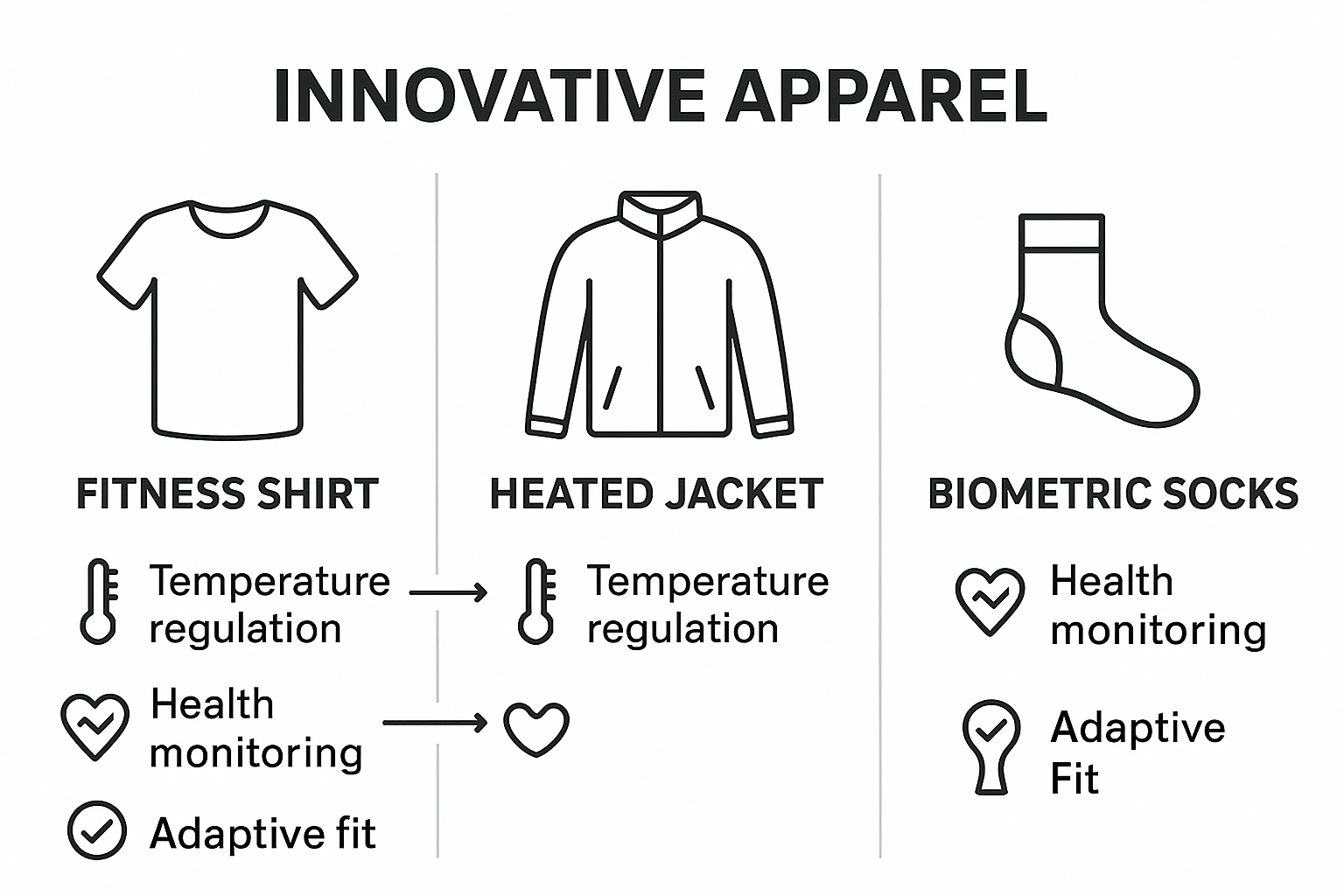
The intersection of functionality and style represents a profound shift in how we perceive clothing. Smart textiles are no longer just about adding technological features, but about creating holistic garment experiences that enhance human performance and comfort. Imagine clothing that can detect early signs of health issues, automatically adjust to environmental conditions, or provide subtle navigation cues without requiring constant smartphone interaction. These innovations are transforming apparel from passive protective layers into active, intelligent systems that understand and support human needs.
Technology in everyday wear is democratizing advanced performance capabilities. What was once exclusive to specialized gear is now becoming accessible through intelligent, stylish clothing design. By focusing on seamless integration and user experience, designers are creating a new generation of apparel that feels natural, performs exceptionally, and adapts intuitively to individual lifestyles. The future of clothing is not about adding technology - it’s about making technology disappear into the fabric of our daily lives.
Common Pitfalls and Consumer Considerations
While technological innovations in apparel offer exciting possibilities, consumers must navigate a complex landscape of potential challenges. Data privacy concerns in AI-driven fashion represent a critical consideration, as smart clothing increasingly collects personal information. Technological transparency becomes paramount, with consumers needing clear understanding of how their data is collected, stored, and utilized by intelligent garment systems.
Consumer expectations must be carefully managed to prevent disappointment. Not all tech-enabled clothing delivers on its promises, and some innovations remain more novelty than practical utility. Potential pitfalls include limited battery life, complex maintenance requirements, and compatibility issues with existing technology ecosystems. Consumers should critically evaluate performance claims, understanding that cutting-edge features often come with trade-offs in comfort, durability, and long-term functionality. Ethical considerations in technological fashion design also highlight the importance of maintaining human creativity and avoiding over-reliance on algorithmic design approaches.
Economic considerations play a significant role in technology-integrated apparel adoption. Premium tech-enabled clothing typically commands higher price points, creating accessibility barriers for many consumers. Smart textiles require more sophisticated manufacturing processes, specialized materials, and complex electronic integrations that drive up production costs. Consumers must weigh the practical benefits against the financial investment, recognizing that not all technological features provide equivalent value across different lifestyle needs.
Ultimately, successful tech-enabled apparel requires a balanced approach that prioritizes user experience over technological complexity. The most effective innovations will seamlessly integrate advanced features without compromising comfort, style, or individual expression. Consumers should seek clothing that enhances their lifestyle rather than dictating it, maintaining a critical perspective that values both technological potential and practical functionality.
Discover the Future of Fashion with Smart, Stylish Apparel
Innovative apparel is more than just clothing it is a perfect blend of style and cutting-edge technology designed to meet the challenges of modern life. If you want garments that anticipate your needs, offer enhanced security, and deliver unmatched comfort without sacrificing style explore our diverse range of Jackets and Hoodies that incorporate intelligent features seamlessly into fashionable designs. These pieces show how technology can be woven into fabric to protect your data and adapt to your environment naturally.

Elevate your wardrobe now by choosing gear that works as hard as you do Visit InvisiTechWear to shop innovative apparel that puts your security and convenience first Don’t settle for ordinary make your clothing a statement of smart living with technology you can trust and style you will love
Frequently Asked Questions
What is innovative apparel?
Innovative apparel refers to clothing that integrates advanced technologies into fabric and design, enhancing the functionality, comfort, and performance of the garments. This includes smart textiles that monitor physiological signals, regulate temperature, and adapt to environmental conditions.
How does technology enhance the functionality of clothing?
Technology enhances clothing functionality by integrating features such as temperature regulation, real-time health monitoring, and data connectivity. Smart fabrics can provide feedback on performance, adapt to external stimuli, and even protect personal information.
Are smart textiles comfortable to wear?
Yes, modern smart textiles are designed to prioritize comfort and aesthetics. Innovative apparel integrates technology seamlessly, ensuring that smart features do not compromise comfort or the visual appeal of the clothing.
What are some real-world applications of innovative apparel?
Innovative apparel has practical applications across various scenarios, such as work shirts that regulate temperature, workout gear that monitors heart rate, and jackets with built-in navigation systems. These technologies enhance wearers’ experiences in their daily lives.


