

More than 60 percent of American young professionals say that digital security influences their fashion choices today. Urban life demands clothing that keeps up with rapid movement, crowded spaces, and constant connectivity, all while looking sharp. As stylish options merge with cutting-edge tech, you will discover how integrating wearable innovation and advanced security features is reshaping the way apparel supports everyday convenience and personal safety.
Table of Contents
- Defining Fashion Technology And Its Purpose
- Types Of Tech-Enabled Fashion Solutions
- How Smart Apparel Enhances Security
- Key Features Of Rfid-Blocking Accessories
- Real-World Examples Of Functional Fashion
- Risks And What Buyers Should Avoid
Key Takeaways
| Point | Details |
|---|---|
| Fashion Technology Redefines Fashion | This field merges design with advanced technologies, creating functional, smart garments that address modern consumer needs. |
| Prioritize Practical Solutions | When considering fashion technology, focus on solutions that solve real user problems rather than novelty features that lack utility. |
| Evaluate Security and Privacy Risks | Smart clothing can expose users to data privacy issues; always review security protocols and permissions before purchase. |
| Consider Environmental Impact | Be aware of potential environmental and ethical issues in tech-enabled fashion, and seek brands with transparent sustainability practices. |
Defining Fashion Technology and Its Purpose
Fashion technology represents a revolutionary intersection of design, innovation, and advanced digital systems that transforms how we conceptualize, create, and interact with clothing and accessories. By integrating cutting-edge technologies, this emerging field goes far beyond traditional fashion design, creating smart, functional garments that adapt to modern consumer needs. Fashion technology transforms the traditional fashion value chain by introducing digital systems that accelerate design, production, and distribution while addressing complex industry challenges.
At its core, fashion technology encompasses an interdisciplinary approach that merges technical engineering, digital tools, and creative design principles. This field explores innovative materials, advanced manufacturing processes, and digital platforms that enable more personalized, sustainable, and intelligent clothing experiences. Researchers are leveraging technologies like artificial intelligence, body scanning, and smart textiles to reimagine how fashion can serve contemporary lifestyles - creating garments that are not just aesthetic statements but functional tools for personal expression and practical utility.
The primary purpose of fashion technology extends beyond mere aesthetic innovation. It aims to solve real-world problems by developing clothing and accessories that enhance human performance, provide enhanced security features, improve comfort, and integrate seamlessly with our increasingly digital lives. From RFID-blocking fabrics that protect personal data to temperature-regulating materials and embedded fitness tracking capabilities, these technological interventions are redefining the fundamental relationship between wearers and their clothing.
Pro Tip: When exploring fashion technology, focus on solutions that solve genuine user problems rather than novelty features that lack practical utility.
Types of Tech-Enabled Fashion Solutions
Fashion technology has evolved to encompass a wide range of innovative solutions that transform how we interact with clothing and accessories. Advanced technologies in the fashion supply chain now include sophisticated systems like artificial intelligence, blockchain, IoT, and data analytics that revolutionize every aspect of design, production, and consumer experience. These technologies aren’t just incremental improvements - they represent a fundamental reimagining of what clothing can do.
Some of the most compelling tech-enabled fashion solutions include smart security features that protect personal information and enhance user safety. RFID-blocking fabrics can prevent digital theft, while embedded tracking technologies allow wearers to monitor their personal belongings. Wearable tech has also expanded to include health monitoring devices seamlessly integrated into clothing, such as fitness trackers that monitor heart rate, movement, and other vital signs without sacrificing style. Augmented reality platforms now enable virtual try-ons that allow consumers to experiment with different looks and styles without physically changing clothes.
Other groundbreaking tech-enabled solutions include 3D-printed garments that can be custom-designed and manufactured with unprecedented precision, digital authentication systems using blockchain to verify product authenticity, and smart textiles that can change color, regulate temperature, or even generate electrical power. These innovations demonstrate how technology is not just enhancing fashion but fundamentally reimagining what clothing can be - transforming garments from passive objects into active, intelligent systems that interact with and support their wearers.
Here’s how various technologies are applied in fashion technology:
| Technology | Main Application | Key Benefit |
|---|---|---|
| Artificial Intelligence | Trend prediction, personalization | Faster design and production |
| IoT Sensors | Health and security monitoring | Real-time user data |
| Blockchain | Product authentication | Counterfeit prevention |
| Smart Textiles | Adaptive garments, sensing | Enhanced comfort and utility |
| 3D Printing | Custom garment manufacturing | Precise fit and rapid prototyping |
Pro Tip: When exploring tech-enabled fashion solutions, prioritize technologies that solve real problems and integrate seamlessly with your lifestyle rather than chasing trendy but impractical gadgets.
How Smart Apparel Enhances Security
Smart apparel is transforming personal security by integrating advanced technological features directly into clothing and accessories. IoT sensors in smart clothes enable real-time monitoring that provide unprecedented levels of personal protection and situational awareness. These innovative garments go beyond traditional fashion, acting as sophisticated security systems that can track location, monitor health indicators, and provide instant alerts in potentially dangerous situations.

The convergence of textiles and electronics has created a new generation of protective clothing that offers multiple layers of security. Biometric monitoring is a key feature, with embedded sensors capable of tracking heart rate, body temperature, and movement patterns. These technologies can detect unusual physiological changes that might indicate stress, physical threat, or medical emergencies. For instance, smart jackets can now recognize sudden increases in heart rate or abnormal movement, potentially signaling a security risk and automatically sending alerts to designated emergency contacts or local authorities.
Beyond personal health monitoring, smart apparel provides advanced data protection and anti-theft features. Connected clothing with IoT capabilities can include RFID-blocking materials, GPS tracking for personal belongings, and digital authentication systems that prevent unauthorized access to personal information. Innovative designs now integrate digital security features like proximity sensors that can detect unauthorized physical contact, encryption technologies that protect digital identities, and location tracking mechanisms that provide an additional layer of personal safety for users in urban environments.
Pro Tip: When selecting smart apparel, prioritize products with multiple security layers and seamless technology integration that doesn’t compromise comfort or style.
Key Features of RFID-Blocking Accessories
RFID-blocking accessories represent a critical technological innovation in personal security, designed to protect sensitive digital information from unauthorized scanning and potential identity theft. Advanced shielding materials like aluminum, copper, and conductive fabrics create an impenetrable barrier that prevents radio frequency identification (RFID) signals from accessing personal data stored in credit cards, passports, and other electronic identification documents. These sophisticated accessories transform everyday items into powerful security tools that safeguard personal information in an increasingly digital world.
The core functionality of RFID-blocking accessories relies on creating a Faraday cage effect, which interrupts electromagnetic signals attempting to read embedded chips. Wallets, phone cases, and bags incorporating these technologies use specialized materials that absorb or deflect radio waves, effectively rendering RFID chips unreadable to unauthorized scanners. Modern designs integrate these protective features seamlessly, ensuring that security does not come at the expense of style or convenience. Some advanced accessories even incorporate multiple layers of protection, including signal-blocking linings and additional physical barriers that prevent electronic pickpocketing.
Beyond basic signal blocking, cutting-edge RFID-blocking accessories now offer additional security features that extend protection across multiple domains. Smart wallets can include GPS tracking, biometric locks, and real-time location monitoring, transforming traditional accessories into comprehensive security systems. These innovations address growing concerns about digital privacy, providing users with a proactive approach to protecting personal and financial information in public spaces. The integration of advanced materials and intelligent design demonstrates how fashion accessories can serve as critical tools for personal security in the digital age.
Pro Tip: Always test your RFID-blocking accessories periodically by attempting to scan your cards near payment terminals to ensure continued protection.
Real-World Examples of Functional Fashion
Functional fashion has transformed from niche design concept to mainstream lifestyle solution, representing a sophisticated blend of aesthetic appeal and practical utility. Garments now prioritize ease of movement, weather resistance, and multifunctionality across diverse environments from urban commuting to outdoor adventures. This evolution reflects a critical shift in consumer expectations, where clothing is no longer just about appearance but about providing tangible performance benefits that enhance daily life.
Modern functional fashion encompasses a wide range of innovative designs that solve real-world challenges. Tactical-inspired clothing, for instance, has emerged as a prime example of this trend, integrating multiple pockets, water-resistant fabrics, and adaptable fits into stylish everyday wear. Technical jackets with built-in heating elements, cycling apparel with reflective safety features, and workwear designed for maximum mobility demonstrate how designers are reimagining clothing as interactive, problem-solving systems. These garments seamlessly blend advanced materials, smart technologies, and ergonomic design to create versatile pieces that perform across different contexts.
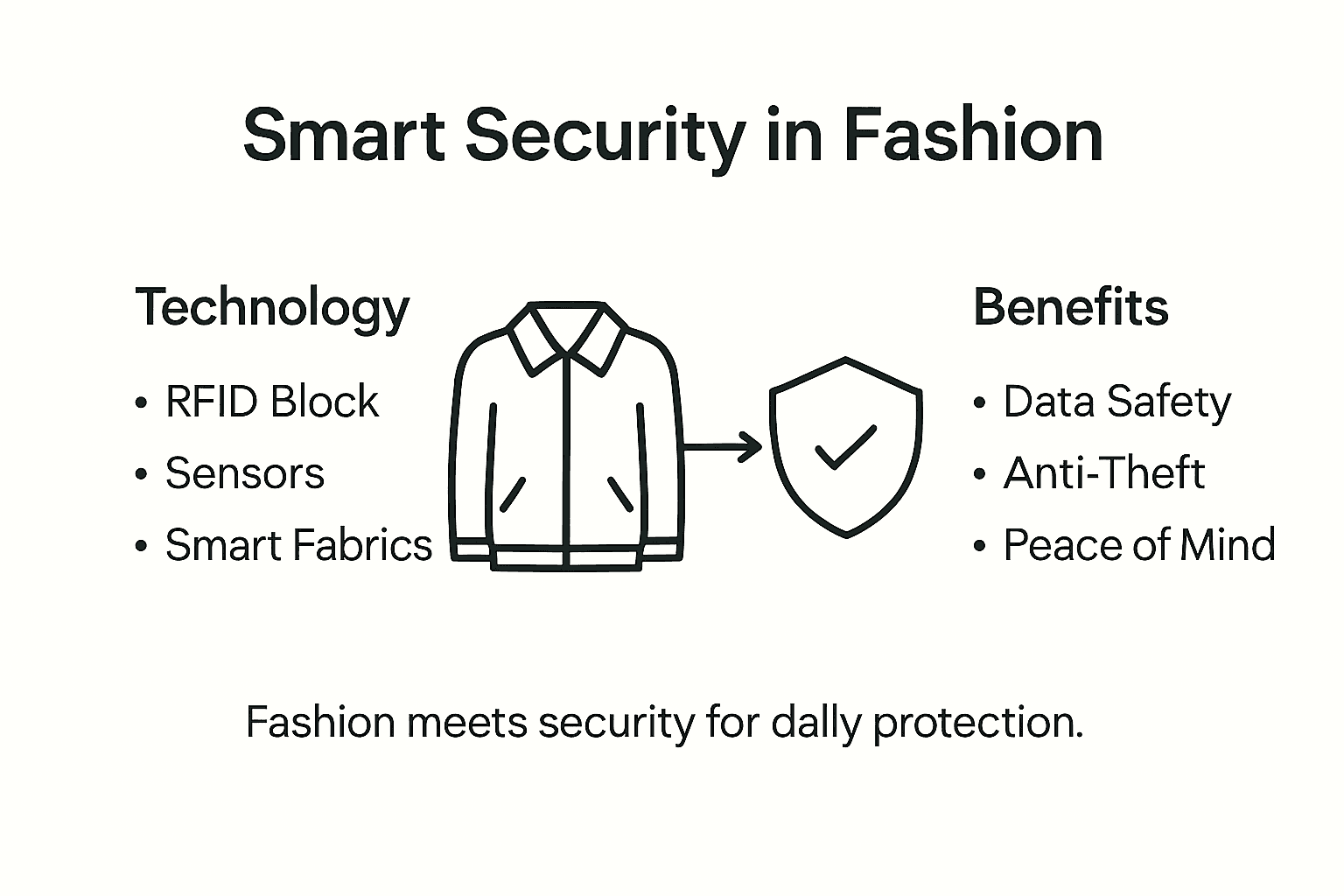
The most compelling examples of functional fashion extend beyond mere utility, incorporating advanced technologies that transform clothing into intelligent systems. Smart workwear with embedded environmental sensors, athletic clothing with real-time biometric tracking, and urban outerwear with integrated power banks represent the cutting edge of this movement. These innovations address contemporary challenges like personal safety, digital connectivity, and environmental adaptability, proving that functional fashion is not just about what we wear, but how our clothing can actively support and enhance our lifestyle.
Pro Tip: Invest in versatile functional fashion pieces that offer multiple features and can adapt to different environments, maximizing both style and practical utility.
Risks and What Buyers Should Avoid
Technology-enabled fashion presents significant potential risks that consumers must carefully evaluate before making purchasing decisions. Emerging technological innovations in fashion create complex ethical dilemmas involving data privacy, environmental sustainability, and potential labor exploitation. Buyers must critically examine the technological features and underlying production practices of smart clothing to ensure they are making responsible, informed choices that align with their personal values and broader societal concerns.
The most critical risks in tech-enabled fashion revolve around data privacy and security. Smart clothing and accessories with integrated technologies can potentially expose users to unauthorized data collection, tracking, and potential breaches of personal information. Some wearable technologies may collect sensitive biometric data, location information, and behavioral patterns without comprehensive user consent or robust protection mechanisms. Additionally, the rapidly evolving nature of these technologies means that many products lack standardized security protocols, leaving consumers vulnerable to emerging digital threats.
Beyond digital security concerns, tech-enabled fashion presents broader systemic risks related to environmental sustainability and ethical manufacturing. The fashion technology sector faces significant challenges with supply chain transparency and potential environmental impacts, including e-waste generation, resource-intensive production processes, and potential labor exploitation. Consumers should be wary of greenwashing tactics, carefully investigating brands’ actual sustainability credentials and their commitment to responsible technological innovation. This requires looking beyond marketing claims and examining the complete lifecycle of tech-enabled fashion products, from raw material sourcing to manufacturing and eventual disposal.
This table summarizes major risks of tech-enabled fashion and mitigation tips:
| Risk Area | Example Issue | How to Reduce Risk |
|---|---|---|
| Data Privacy | Unauthorized tracking | Review permissions, check app privacy settings |
| Security Protocols | Weak encryption | Choose brands with transparent security standards |
| Environmental | E-waste from smart apparel | Prefer recyclable fabrics, join take-back programs |
| Labor Ethics | Exploitative production | Research brand labor commitments, request supply chain transparency |
Pro Tip: Always request detailed documentation about data protection, manufacturing practices, and sustainability credentials before investing in tech-enabled fashion items.
Secure Your Style with Smart Fashion Technology
The article highlights how traditional fashion must evolve through technology to meet the critical challenge of personal security and data protection. If you are concerned about unauthorized tracking or want true peace of mind while staying stylish, InvisiTechWear offers solutions designed to tackle these exact pain points. From advanced RFID-blocking fabrics to integrated smart apparel features, you can protect your digital identity and enjoy enhanced safety without compromising comfort or fashion.
Explore our collection of Hoodies and Tee shirts that combine innovative security technology with trendy designs.

Take control of your security today by shopping at InvisiTechWear. Experience how technology and fashion come together to protect what matters most. Don’t wait until it is too late—protect your identity now with smart apparel that works as hard as you do.
Frequently Asked Questions
What is smart apparel and how does it enhance security?
Smart apparel integrates advanced technology features directly into clothing, providing real-time monitoring and alerts for personal safety. These garments can track location, health parameters, and alert emergency contacts in potentially dangerous situations.
How do RFID-blocking accessories work to enhance personal security?
RFID-blocking accessories use advanced materials to create a Faraday cage effect, blocking unauthorized scanning of personal data stored in RFID chips, such as those in credit cards and passports, thereby preventing identity theft.
What are some examples of embedded technologies in smart clothing?
Examples of embedded technologies in smart clothing include biometric sensors for monitoring vital signs, GPS tracking for location, and integrated anti-theft measures like RFID-blocking panels, all designed to enhance personal security.
How can consumers assess the privacy and security of smart fashion products?
Consumers should review the data protection policies of smart fashion brands, ensure transparency in security protocols, and choose products that prioritize user consent and robust protection mechanisms to safeguard personal information.


