

Smart accessories are rapidly redefining personal style as nearly 60 percent of American millennials now prioritize technology integration in fashion. For tech-savvy young professionals, balancing a sleek appearance with features like data protection and real-time alerts is no longer a luxury but a necessity. Today’s article reveals how the latest tech-infused trends and innovations can bring stylish, secure, and convenient upgrades to your everyday essentials.
Table of Contents
- Defining Fashion Accessories Technology Today
- Types of Tech-Infused Accessories and Apparel
- Smart Features and Everyday Use Cases
- Security Risks in Fashion Technology Products
- Legal Issues: Data Privacy and Consumer Protection
Key Takeaways
| Point | Details |
|---|---|
| Integration of Technology | Fashion accessories technology combines design and functionality, transforming traditional items into intelligent tools that enhance personal style. |
| Diverse Product Categories | Tech-infused accessories range from smart textiles to connected jewelry, all emphasizing both form and function to meet user needs. |
| Cybersecurity Concerns | Wearable technology poses significant cybersecurity risks, necessitating robust data protection measures to safeguard personal information. |
| Legal Challenges | The intersection of fashion technology and data privacy raises complex legal challenges, highlighting the need for transparent policies and user consent mechanisms. |
Defining Fashion Accessories Technology Today
Fashion accessories technology represents an innovative intersection where design, functionality, and digital capabilities converge to transform how we interact with personal style. This emerging field goes far beyond traditional accessories, integrating sophisticated technological features that enhance security, convenience, and personal expression. Researchers exploring the intersections of fashion, jewelry, and wearable technology have identified this domain as a multidisciplinary space where aesthetic and functional values coexist.
At its core, fashion accessories technology encompasses smart devices and wearable innovations that seamlessly blend style with advanced technological capabilities. These accessories range from RFID-blocking wallets that protect digital identities to Bluetooth-enabled jewelry that tracks health metrics, smart bags with integrated charging ports, and clothing with embedded security sensors. The technology transforms traditional accessories from passive objects into active, intelligent tools that respond to user needs and environmental contexts.
The design philosophy behind fashion accessories technology prioritizes user experience, emphasizing that technological integration should enhance rather than compromise style. Advanced materials, miniaturized electronics, and innovative design techniques allow manufacturers to embed complex technological systems into seemingly traditional accessories without sacrificing aesthetic appeal. This approach means tech-enabled accessories look indistinguishable from high-end fashion items while providing superior functionality like biometric authentication, location tracking, or data protection.
Pro tip: When selecting tech-enabled fashion accessories, prioritize products that seamlessly integrate technology without compromising your personal style aesthetic.
Types of Tech-Infused Accessories and Apparel
Fashion technology has dramatically transformed traditional accessories and clothing, creating a new landscape of innovative, intelligent wearables. Researchers have identified four key clusters of tech-inspired fashion design, ranging from human-oriented solutions to sustainable digital innovations. These categories represent a sophisticated approach to integrating technology into personal style, moving beyond simple aesthetic considerations.
The types of tech-infused accessories and apparel can be broadly categorized into several key domains. Smart textiles represent one of the most advanced segments, featuring fabrics embedded with electronic components that can monitor health metrics, adjust temperature, or change color. Wearable technology accessories include items like smart watches, fitness trackers, and RFID-blocking wallets that provide enhanced security and functionality. Tech-infused clothing guides highlight emerging categories such as app-connected apparel that can interact with smartphones, track physical activity, and even provide navigation assistance.
Beyond pure functionality, these tech-infused accessories and apparel reflect a broader cultural shift towards integrating digital capabilities into personal style. Advanced materials like conductive textiles, shape-memory fabrics, and nano-engineered surfaces enable designers to create products that are simultaneously fashionable and technologically sophisticated. These innovations range from jackets with built-in heating elements to jewelry that can track biometric data, demonstrating how technology is seamlessly merging with personal fashion expression.
Here’s a comparison of key types of tech-infused fashion accessories and their typical smart features:
| Accessory Type | Main Smart Features | Common Example |
|---|---|---|
| Smart Textiles | Vital monitoring, temp control | Fitness shirts, jackets |
| Wearable Tech | Notifications, health tracking | Smartwatches, rings |
| Connected Jewelry | Discreet alerts, location tracking | Bluetooth necklaces |
| App-Connected Apparel | Navigation, activity tracking | Running shoes, shirts |
| RFID-Blocking Items | Digital ID protection | Wallets, purses |
Pro tip: When exploring tech-infused accessories, prioritize items that offer multiple functions while maintaining a sleek, minimalist design that complements your personal aesthetic.
Smart Features and Everyday Use Cases
Current wearable technologies in fashion have transcended mere aesthetic considerations, evolving into sophisticated systems designed to enhance daily human experience. Modern smart accessories and apparel now integrate advanced functionalities that seamlessly blend technology with personal style, addressing practical needs while maintaining aesthetic appeal. These innovations range from health monitoring capabilities to lifestyle optimization tools that respond dynamically to user environments.
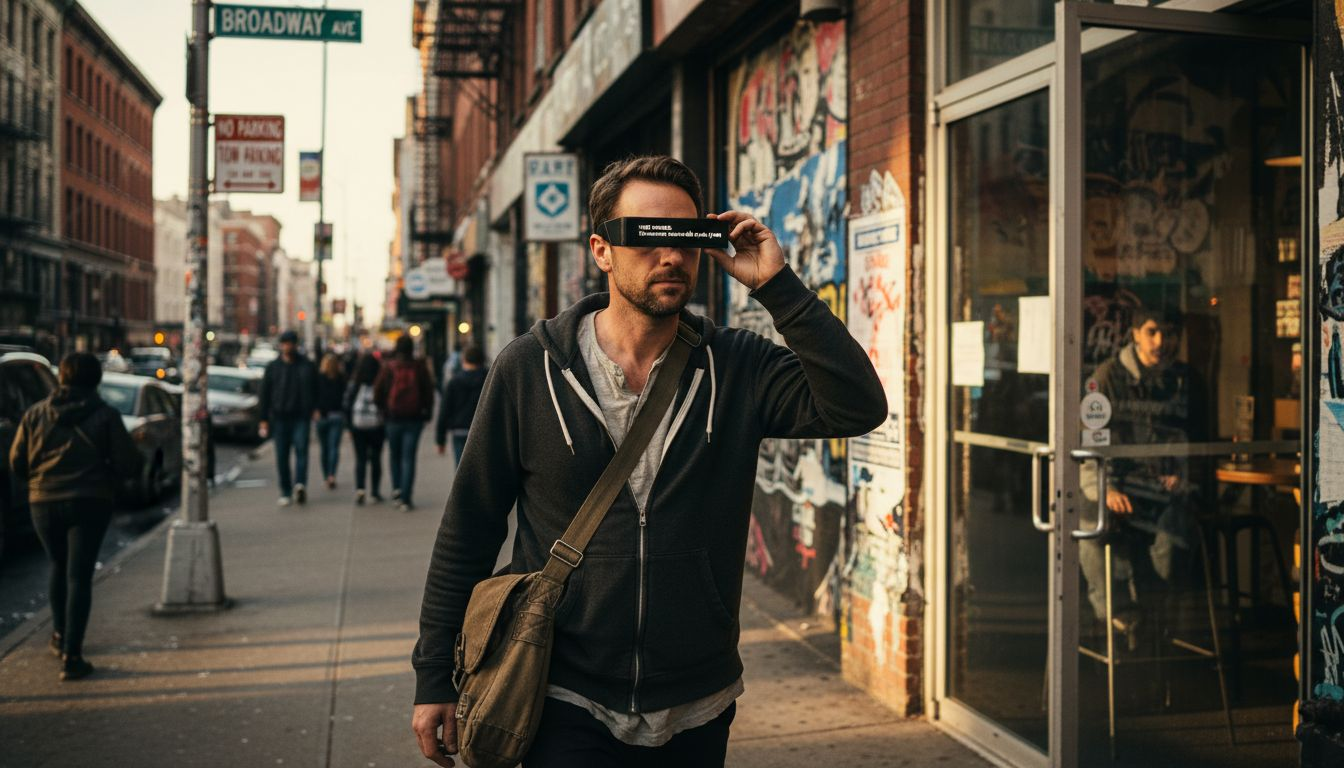
The everyday use cases for tech-infused accessories are remarkably diverse. Smart clothing can now monitor vital signs, track physical activity, and even adjust temperature based on environmental conditions. Accessories like connected jewelry can provide discreet notifications, track location, and offer personal safety features. Types of smart clothing for tech-savvy fashion lovers demonstrate how these technologies are becoming increasingly sophisticated, with soft wearable robotics and flexible electronics transforming traditional fashion items into intelligent personal assistants.
Beyond individual functionality, these smart features represent a broader technological integration into personal ecosystems. Advanced textiles with embedded sensors can communicate with smartphones, provide real-time health insights, and even change color or texture based on user preferences or environmental stimuli. The convergence of fashion, technology, and personal expression is creating a new paradigm where clothing and accessories are no longer passive objects but active, responsive extensions of individual identity and lifestyle.
Pro tip: When selecting tech-infused accessories, prioritize versatile items that offer multiple functions while maintaining a sleek, minimalist design that seamlessly integrates with your personal style.
Security Risks in Fashion Technology Products
Wearable devices and smart clothing introduce significant cybersecurity vulnerabilities that extend far beyond traditional digital security concerns. These technologically enhanced fashion accessories collect unprecedented volumes of personal data, creating potential entry points for sophisticated cyber threats. Unlike conventional electronics, fashion technology often integrates sensors and connectivity features directly into wearable items, making them uniquely susceptible to privacy breaches and unauthorized data extraction.
The cybersecurity landscape for fashion technology products encompasses multiple risk dimensions. Biometric tracking, location monitoring, and personal health data collection create complex privacy challenges. Fashion security technology fundamentals highlight how interconnected smart accessories can expose users to risks like identity theft, unauthorized surveillance, and potential digital manipulation. Cyber attackers increasingly leverage advanced artificial intelligence techniques to exploit vulnerabilities in seemingly innocuous fashion technologies, targeting personal information embedded within smart textiles and connected accessories.
Regulatory frameworks like the General Data Protection Regulation (GDPR) are evolving to address these emerging technological risks. The fashion industry must implement robust cybersecurity measures that go beyond traditional data protection strategies. This includes developing sophisticated encryption protocols, implementing rigorous user consent mechanisms, and creating transparent data handling practices that prioritize individual privacy and security. Advanced threat detection systems, regular security audits, and user education become critical components in mitigating potential risks associated with tech-infused fashion products.
Pro tip: Always review privacy settings, limit data sharing permissions, and choose tech-enabled fashion accessories from manufacturers with transparent security practices.
Legal Issues: Data Privacy and Consumer Protection
Wearable technology presents complex legal challenges in data privacy and consumer protection that demand sophisticated regulatory frameworks. Fashion technology products collect unprecedented levels of personal data, including biometric information, location tracking, and health metrics, creating intricate legal landscapes that traditional privacy laws struggle to address. The intersection of fashion, technology, and personal data requires comprehensive legal approaches that balance innovation with individual privacy rights.
The legal complexities surrounding consumer data protection extend across multiple jurisdictions, with regulations like the General Data Protection Regulation (GDPR) and California Consumer Privacy Act (CCPA) establishing critical standards for data handling. Invest in tech-fashion responsibly by understanding the critical legal requirements manufacturers must meet. These include obtaining explicit user consent, providing transparent data collection practices, enabling user data access and deletion rights, and implementing robust cybersecurity measures to prevent unauthorized data breaches.
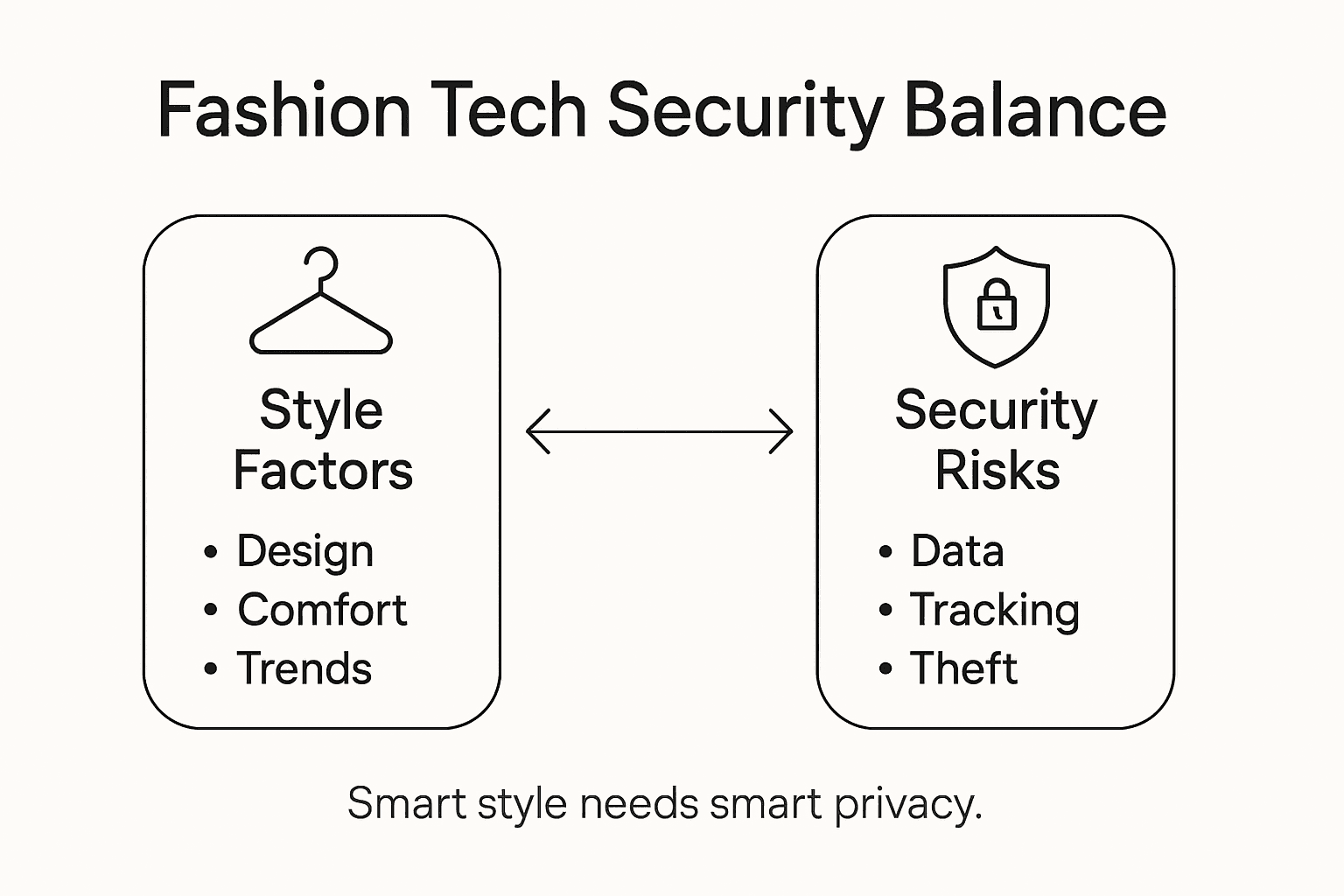
International legal frameworks are increasingly recognizing the unique challenges posed by fashion technology. Manufacturers must navigate complex compliance requirements that involve not just data protection, but also potential issues of discrimination, algorithmic bias, and individual rights. This means developing comprehensive privacy policies, creating user-friendly consent mechanisms, and establishing clear protocols for data minimization, storage limitations, and user control. The legal landscape demands proactive approaches that anticipate potential privacy risks and prioritize user agency in an increasingly interconnected technological environment.
The following table summarizes major security and legal challenges for fashion technology products:
| Challenge Area | Example Risk | Key Protection Step |
|---|---|---|
| Data Privacy | Unauthorized data access | User consent and encryption |
| Cybersecurity | Device hacking | Regular security audits |
| Legal Compliance | Non-compliance penalties | Transparent data policies |
| User Rights | Limited data control | Opt-out and erasure tools |
Pro tip: Always read the privacy policy carefully and understand exactly what data your tech-enabled fashion accessories collect before making a purchase.
Elevate Your Style and Security with InvisiTechWear
Navigating the challenges of modern fashion accessories technology means balancing personal style with advanced security features. If you are concerned about protecting your digital identity while maintaining a sleek, tech-savvy look, InvisiTechWear offers a solution designed with your needs in mind. We specialize in innovative RFID-blocking wallets, smart apparel, and elegant accessories that integrate security and convenience without sacrificing style. Our collections demonstrate how technology can become a seamless and functional part of your everyday fashion.
Discover the power of tech-infused fashion by exploring our carefully curated Accessories and exclusive Featured collections. Join the growing number of consumers who prioritize security and functionality in their fashion choices while embracing innovation. Visit InvisiTechWear today and secure your personal style with technology that works for you.
Frequently Asked Questions
What are fashion accessories technology?
Fashion accessories technology refers to innovative products that combine style with advanced technological features, such as smart textiles, wearable devices, and RFID-blocking wallets that enhance security and convenience.
How do tech-infused accessories improve everyday life?
Tech-infused accessories can monitor health metrics, provide discreet notifications, and enhance personal safety. They transform traditional fashion items into interactive tools that cater to users’ practical needs while maintaining aesthetic appeal.
What should I consider when choosing tech-enabled fashion accessories?
When selecting tech-enabled accessories, prioritize those that seamlessly integrate technology into their design without compromising your personal style. Look for versatile items that offer multiple functions and have user-friendly features.
What are the cybersecurity risks associated with fashion technology products?
Fashion technology products often collect sensitive personal data, which can expose users to risks like identity theft and unauthorized surveillance. It is important to choose products from manufacturers with transparent security practices and to manage privacy settings carefully.


