

Nearly half of American consumers now consider technology when shopping for clothing, yet confusion about tech apparel remains widespread. As functional fashion gains momentum, many people mistakenly assume these innovations are little more than wearable gadgets. Understanding the breakthroughs behind smart textiles and adaptive clothing can help Americans discover how tech apparel is shaping a stylish, responsive future—blending security, connectivity, and comfort in ways traditional outfits never could.
Table of Contents
- Defining Tech Apparel And Common Misconceptions
- Innovations Driving Functional Fashion Trends
- Key Features: Security, Connectivity, And Style
- Real-World Use Cases For Modern Lifestyles
- Weighing Functional Benefits Against Limitations
Key Takeaways
| Point | Details |
|---|---|
| Tech Apparel Integration | Tech apparel merges fashion with technology to create functional clothing that enhances personal style and utility. |
| Innovative Features | Modern garments include smart capabilities like temperature regulation and biometric tracking without compromising aesthetics. |
| Real-World Applications | Tech apparel is now vital in various sectors, optimizing performance in professional and fitness environments. |
| Evaluating Considerations | Consumers should assess the balance between the functionality of tech apparel and its potential limitations like cost and privacy concerns. |
Defining Tech Apparel and Common Misconceptions
Tech apparel represents a cutting-edge fusion of fashion and technological innovation, transforming traditional clothing into intelligent, functional systems. Far more than just trendy gadgets, these garments integrate advanced technologies directly into fabric and design, creating a seamless blend of style and utility. Machine learning and artificial intelligence applications are revolutionizing how we conceptualize and create clothing, pushing the boundaries of what’s possible in fashion.
Contrary to popular misconceptions, tech apparel isn’t about adding bulky electronic components or making clothing look robotic. Instead, it focuses on smart integration and subtle enhancement. Modern tech apparel can include features like temperature regulation, moisture-wicking properties, biometric tracking, RFID protection, and even adaptive coloration - all while maintaining sleek, contemporary aesthetics. Technological innovations are fundamentally reshaping clothing design, creating garments that are not just worn, but actively interact with the wearer.
The core principles of tech apparel revolve around three key elements: functionality, comfort, and style. Unlike early iterations that prioritized technology over wearability, contemporary tech apparel seamlessly blends advanced features with ergonomic design. Consider smart jackets that can charge mobile devices, shirts with built-in health monitoring sensors, or pants with integrated RFID-blocking pockets. These aren’t futuristic concepts - they’re available now, representing a pragmatic evolution in how we think about clothing.
Key characteristics of authentic tech apparel include:
- Seamless technological integration
- Enhanced practical functionality
- Minimal visual disruption
- Advanced material sciences
- User-centric design principles
By challenging traditional fashion paradigms, tech apparel is creating an entirely new category of intelligent, responsive clothing that adapts to individual needs while maintaining personal style.
Innovations Driving Functional Fashion Trends
The fashion industry is experiencing a profound transformation, driven by technological advancements that are redefining how we perceive and interact with clothing. Artificial Intelligence is becoming a powerful tool for predicting trends and creating more personalized consumer experiences. Brands are now leveraging sophisticated algorithms to analyze consumer preferences, anticipate style shifts, and develop garments that seamlessly blend cutting-edge technology with aesthetic appeal.
One of the most significant innovations is the emergence of smart textiles and adaptive materials. These advanced fabrics can now respond dynamically to environmental conditions, changing properties like temperature regulation, breathability, and even color. Imagine clothing that automatically adjusts its thermal characteristics based on body heat and external temperature, or fabric that can alter its appearance with a simple touch. The fusion of fashion and technology is creating unprecedented opportunities for design, production, and consumer engagement.
Technological innovations are also revolutionizing the production process itself. 3D printing, computer-aided design, and advanced manufacturing techniques are enabling designers to create more complex, precise, and customizable garments than ever before. This shift goes beyond aesthetics - it’s about creating clothing that is more sustainable, efficient, and tailored to individual body types and preferences. Digital prototyping allows for rapid iteration, reduced material waste, and the ability to experiment with designs that were previously impossible to manufacture.
Key technological innovations transforming fashion include:
- Artificial Intelligence trend prediction
- Smart textile development
- Adaptive material technologies
- 3D printing and digital design
- Personalized manufacturing techniques
As technology continues to evolve, the boundary between fashion and functional technology becomes increasingly blurred, promising a future where clothing is not just something we wear, but an intelligent, responsive extension of our personal environment.
Key Features: Security, Connectivity, and Style
Tech apparel is revolutionizing personal protection and technological interaction through innovative design features that seamlessly integrate security, connectivity, and style. Wearable technology now enables clothing that is not just functional but interactive and responsive, transforming everyday garments into sophisticated personal protection and communication systems. Modern tech apparel goes far beyond traditional clothing, offering advanced capabilities that address multiple contemporary lifestyle needs.
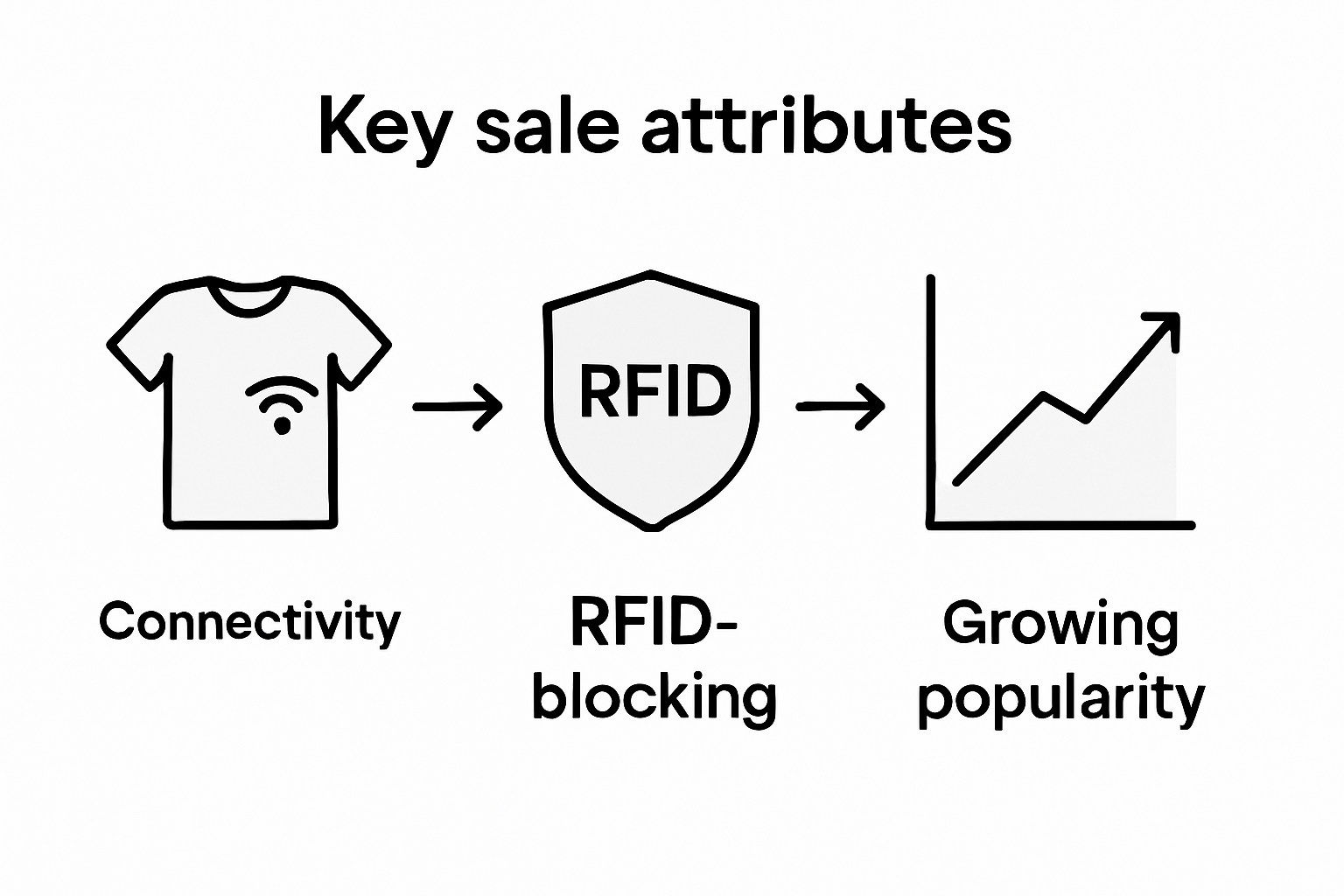
The security aspect of tech apparel represents a significant breakthrough in personal protection. RFID-blocking fabrics, hidden compartments, and integrated anti-theft technologies provide users with enhanced personal security without compromising aesthetic appeal. These features allow individuals to protect sensitive personal information, secure valuable items, and maintain a sense of safety in an increasingly complex digital landscape. Smart fabrics can now integrate electronic components like sensors and microcontrollers, enabling garments to actively monitor and respond to potential security threats.

Connectivity is another crucial dimension of modern tech apparel, transforming clothing into a dynamic communication and data management platform. Advanced garments now feature built-in charging capabilities, Bluetooth connectivity, and seamless smartphone integration. These technologies allow users to stay connected, track personal metrics, and interact with digital ecosystems without relying on traditional electronic devices. The integration is so sophisticated that technological features become virtually invisible, maintaining the garment’s core aesthetic and comfort.
Key features defining modern tech apparel include:
- Advanced security technologies
- Seamless digital connectivity
- Adaptive fabric technologies
- Biometric tracking capabilities
- Minimalist design aesthetics
As technology continues to evolve, tech apparel represents more than just clothing - it’s a comprehensive personal ecosystem that combines protection, communication, and individual expression in a single, stylish package.
Real-World Use Cases for Modern Lifestyles
Tech apparel is transforming everyday experiences across multiple professional and personal domains, offering innovative solutions that address complex lifestyle challenges. From urban professionals navigating dynamic work environments to outdoor enthusiasts requiring adaptive gear, these technologically enhanced garments provide unprecedented functionality and convenience. 3D printing technologies are revolutionizing design possibilities, enabling manufacturers to create intricate, purpose-built clothing that responds precisely to specific user needs.
In professional settings, smart workwear is emerging as a game-changing category. Tech-enabled clothing now offers features like temperature regulation for professionals working in variable environments, built-in connectivity for seamless communication, and biometric tracking to monitor stress levels and productivity. Imagine a business suit that can charge your smartphone, track your physical activity, and adjust its thermal properties based on ambient temperature - transforming traditional professional attire into an intelligent personal assistant.
For athletes and fitness enthusiasts, tech apparel represents a quantum leap in performance monitoring and personal health management. Advanced garments can track heart rate, muscle exertion, hydration levels, and even provide real-time coaching feedback. These intelligent clothing systems go beyond simple activity tracking, offering comprehensive insights into physical performance, recovery needs, and potential injury prevention strategies. The integration is so sophisticated that technological components become virtually invisible, maintaining the aesthetic and comfort of traditional athletic wear.
Key real-world applications of tech apparel include:
- Professional performance optimization
- Health and fitness tracking
- Personal security enhancement
- Environmental adaptability
- Digital connectivity solutions
As technology continues to evolve, tech apparel is becoming less of a novelty and more of an essential tool for individuals seeking to optimize their personal and professional experiences through intelligent, responsive clothing solutions.
Weighing Functional Benefits Against Limitations
The fashion industry is experiencing a transformative technological shift, bringing both remarkable innovations and significant challenges to tech apparel development. While advanced garments promise unprecedented functionality, consumers and manufacturers must carefully evaluate the complex trade-offs between cutting-edge features and practical considerations. Understanding these nuanced dynamics is crucial for making informed purchasing and design decisions.
The primary advantages of tech apparel include enhanced personal security, adaptive performance, and seamless digital connectivity. However, significant limitations emerge in areas of cost, durability, and technological complexity. Battery life remains a critical constraint, with many smart garments requiring frequent charging or experiencing reduced functionality over time. Privacy concerns also present substantial challenges, as technologically enhanced clothing potentially collects sensitive personal data that could be vulnerable to digital breaches.
Modular design principles combined with advanced technologies offer promising solutions to some of these challenges. By creating adaptable, upgradeable clothing systems, manufacturers can potentially address durability concerns and reduce electronic waste. This approach allows consumers to replace or upgrade specific technological components without discarding entire garments, representing a more sustainable and economically viable approach to tech-integrated fashion.
Key considerations when evaluating tech apparel include:
- Initial technology cost
- Long-term maintenance expenses
- Privacy and data security
- Technological obsolescence
- Comfort and wearability
Ultimately, successful tech apparel must strike a delicate balance between innovative functionality and practical user experience, ensuring that technological features genuinely enhance rather than complicate daily life.
Elevate Your Style with Smart Security and Comfort
Tech apparel is transforming everyday fashion by blending sophisticated security features with sleek style and unmatched comfort. If you want clothing that not only looks great but also protects your personal data and keeps you connected in today’s fast-paced world, exploring tech-infused garments is essential. Whether you seek the perfect balance of RFID-blocking security, adaptive design, or seamless digital integration, modern apparel solutions are here to solve these challenges.
Discover innovative options like our collection of Tee Shirts and Hoodies that incorporate cutting-edge technology without sacrificing style. From protecting your information to providing comfort in all environments, our curated selections address the common pain points of durability, privacy, and wearable technology.

Act now to experience the future of functional fashion. Visit InvisiTechWear to shop tech apparel designed for security-conscious individuals who value style and performance. Don’t wait to secure your personal ecosystem while staying on-trend for modern life.
Frequently Asked Questions
What is tech apparel?
Tech apparel is a fusion of fashion and technology, integrating advanced features into clothing to enhance functionality, comfort, and style. This includes elements like temperature regulation, biometric tracking, and RFID protection.
How does tech apparel enhance personal security?
Tech apparel enhances personal security through features such as RFID-blocking fabrics and hidden compartments, which help protect sensitive information and valuables from theft.
What types of technologies are commonly used in tech apparel?
Common technologies in tech apparel include smart textiles that adapt to environmental conditions, biometric sensors for health tracking, and connectivity features like built-in charging and Bluetooth integration.
Is tech apparel comfortable to wear?
Yes, modern tech apparel focuses on seamless integration of technology to maintain ergonomic design, ensuring that advanced features do not compromise comfort or style.


