

Losing track of your smart ring during a busy commute or juggling too many devices as you head to a meeting in London or New York is more common than you think. As wearable technology redefines what accessories can do, urban professionals are discovering how these integrated devices streamline daily routines without shouting for attention. Whether you value enhanced security, seamless connectivity, or just want tech that matches your style, understanding modern wearables means knowing how thoughtfully designed accessories can deliver real convenience for every day.
Table of Contents
- Defining Modern Wearables And Common Myths
- Distinct Types Of Wearable Tech Products
- Key Features And Functionality Explained
- Real-Life Applications In Everyday Life
- Security, Privacy, And Potential Drawbacks
Key Takeaways
| Point | Details |
|---|---|
| Versatile Wearables | Modern wearables include a range of devices that enhance health, professional performance, security, and communication. They serve as intelligent companions rather than just accessories. |
| Accessibility and Affordability | Wearable technologies are becoming more affordable and are designed for diverse users, breaking the myth that they are only for tech enthusiasts. |
| Advanced Functionality | Current wearables integrate sensors, AI, and real-time processing, offering features like health monitoring and predictive analytics that adapt to user needs. |
| Privacy Awareness | Users should actively manage data privacy settings and stay informed about potential risks such as unauthorized data tracking and cybersecurity vulnerabilities. |
Defining Modern Wearables and Common Myths
Wearable technology represents more than just gadgets strapped to our bodies. These devices mark a revolutionary shift in how we interact with technology, transforming everyday accessories into intelligent, connected systems. Wearable technologies now extend far beyond simple fitness trackers, emerging as sophisticated tools that integrate seamlessly into our personal and professional lives.
Modern wearables can be categorized into several key types that demonstrate their versatility:
- Health and Fitness Monitors: Smart watches and fitness bands tracking physiological metrics
- Professional Performance Devices: Augmented reality glasses for industrial and technical applications
- Security Accessories: RFID-blocking wallets and tech-integrated clothing with data protection features
- Communication Enablers: Bluetooth earpieces and smart jewelry with connectivity capabilities
Contrary to popular misconceptions, wearable technology is not just about complexity or technological showmanship. Advanced sensor technologies have made these devices increasingly intuitive, user-friendly, and designed to enhance rather than complicate daily experiences. The core philosophy is simple: technology should adapt to human needs, not the other way around.
Wearables are no longer futuristic concepts - they are practical, integrated solutions addressing real-world challenges across multiple domains.
The most persistent myths surrounding wearables often revolve around privacy, utility, and accessibility. Many people believe these technologies are prohibitively expensive, overly complicated, or exclusively for tech enthusiasts. In reality, wearables are becoming increasingly affordable, design-conscious, and accessible to diverse user groups.
Pro tip: When exploring wearable technologies, prioritize devices that solve genuine problems in your daily workflow rather than chasing the newest trend.
Distinct Types of Wearable Tech Products
Wearable technology has evolved far beyond simple fitness trackers, emerging as a sophisticated ecosystem of intelligent devices designed to enhance human capabilities. Smart wearable devices now encompass a wide range of products that integrate seamlessly into our daily lives, offering unprecedented levels of connectivity and functionality.
The primary categories of wearable tech products include:
-
Health and Fitness Devices
- Smartwatches monitoring heart rate and activity levels
- Fitness bands tracking physical performance
- Smart clothing with embedded biosensors
-
Professional and Industrial Wearables
- Augmented reality glasses for technical work
- Smart safety gear with environmental sensors
- Performance tracking devices for industrial environments
-
Communication and Connectivity Wearables
- Bluetooth earpieces and smart jewelry
- Wireless communication accessories
- Wearable translation devices
Internet of Things applications have dramatically expanded the potential of wearable technologies, transforming them from simple tracking devices into intelligent systems that can predict, adapt, and respond to user needs.
Modern wearables are not just accessories - they are sophisticated technological companions that extend human capabilities across multiple domains.
Each wearable category serves unique purposes, from personal health monitoring to professional performance enhancement. The most advanced devices now integrate multiple functionalities, blurring traditional boundaries between communication, health tracking, and professional tools.
Pro tip: When selecting a wearable device, prioritize versatility and compatibility with your existing technological ecosystem to maximize utility and integration.
Key Features and Functionality Explained
Wearable device features represent a complex ecosystem of technological capabilities designed to enhance human performance and connectivity. These sophisticated devices go far beyond simple tracking, integrating advanced sensors, artificial intelligence, and real-time data processing to provide unprecedented insights into personal health, professional performance, and lifestyle management.
The core functionalities of modern wearables can be broken down into several critical components:
-
Sensor Technologies
- Biometric monitoring (heart rate, blood oxygen)
- Motion and activity tracking
- Environmental sensing capabilities
-
Connectivity Features
- Bluetooth and wireless data transmission
- Cloud synchronization
- Cross-platform compatibility
-
Intelligent Processing
- Machine learning algorithms
- Predictive health analytics
- Personalized recommendation systems
Advanced materials science has revolutionized device design, enabling wearables to become increasingly thin, flexible, and seamlessly integrated with the human body. These technological innovations allow for more accurate sensors, longer battery life, and enhanced user comfort.
Modern wearable technologies are not just devices - they are intelligent companions that adapt and respond to individual user needs in real-time.
The most sophisticated wearables now combine multiple functionalities, blending health monitoring, communication tools, and professional performance tracking into single, sleek devices. This convergence represents a fundamental shift in how technology interacts with human experience, transforming accessories from passive objects into active, intelligent systems.

Pro tip: Always check device compatibility and data privacy settings before integrating a new wearable into your personal or professional ecosystem.
Real-Life Applications in Everyday Life
Wearable technology integration transforms everyday experiences, bridging the gap between personal wellness, professional productivity, and technological innovation. These intelligent devices have become more than mere accessories, emerging as critical tools that provide real-time insights and personalized support across multiple aspects of modern life.
Practical applications of wearable technology span several key domains:
-
Personal Health Management
- Continuous heart rate monitoring
- Sleep pattern tracking
- Stress level detection
- Medication and fitness reminders
-
Professional Performance
- Productivity tracking
- Ergonomic movement analysis
- Posture correction alerts
- Time management optimization
-
Safety and Security
- GPS location tracking
- Emergency alert systems
- Personal environment monitoring
- Biometric authentication
Chronic disease prevention strategies have been revolutionized by wearable technologies, enabling proactive health monitoring and early intervention. These devices collect sophisticated data that can help individuals and healthcare professionals make more informed decisions about personal wellness.
Wearable technologies are transforming passive observation into active, personalized health management.
The most compelling aspect of modern wearables is their ability to adapt and learn, creating increasingly personalized experiences that evolve with user behavior and needs. By integrating artificial intelligence and advanced sensor technologies, these devices offer unprecedented levels of insight and support.
Here’s a quick comparison of wearable technology applications across different domains:
| Domain | Main Benefit | Common Use Case |
|---|---|---|
| Personal Health | Improved wellness | 24/7 health tracking |
| Professional/Industrial | Enhanced productivity | Performance optimization |
| Safety & Security | Increased protection | Emergency notifications |
| Communication | Seamless connectivity | Hands-free interactions |
Pro tip: Select wearable devices that offer comprehensive data synchronization and privacy controls to maximize personal insights while maintaining digital security.
Security, Privacy, and Potential Drawbacks
Data privacy challenges in wearable technology represent a complex landscape of technological innovation and ethical concerns. These intelligent devices collect unprecedented amounts of personal information, creating significant tensions between technological convenience and individual privacy rights.
Key privacy and security challenges include:
-
Data Collection Risks
- Unauthorized personal information tracking
- Potential location data exposure
- Unintended biometric data sharing
-
Cybersecurity Vulnerabilities
- Potential device hacking
- Bluetooth and wireless transmission risks
- Weak encryption protocols
-
Regulatory Compliance Issues
- Inconsistent global privacy standards
- Limited user consent mechanisms
- Complex data ownership questions
Regulatory frameworks are struggling to keep pace with rapid technological advancements, creating significant gaps in user protection. These legal uncertainties leave consumers vulnerable to potential misuse of their personal data by corporations and third-party service providers.
Technological innovation must be balanced with robust privacy protections and transparent user consent mechanisms.
The most significant drawback of modern wearables remains the potential for comprehensive personal surveillance. While these devices offer remarkable insights and convenience, they simultaneously create unprecedented opportunities for data exploitation and privacy breaches.
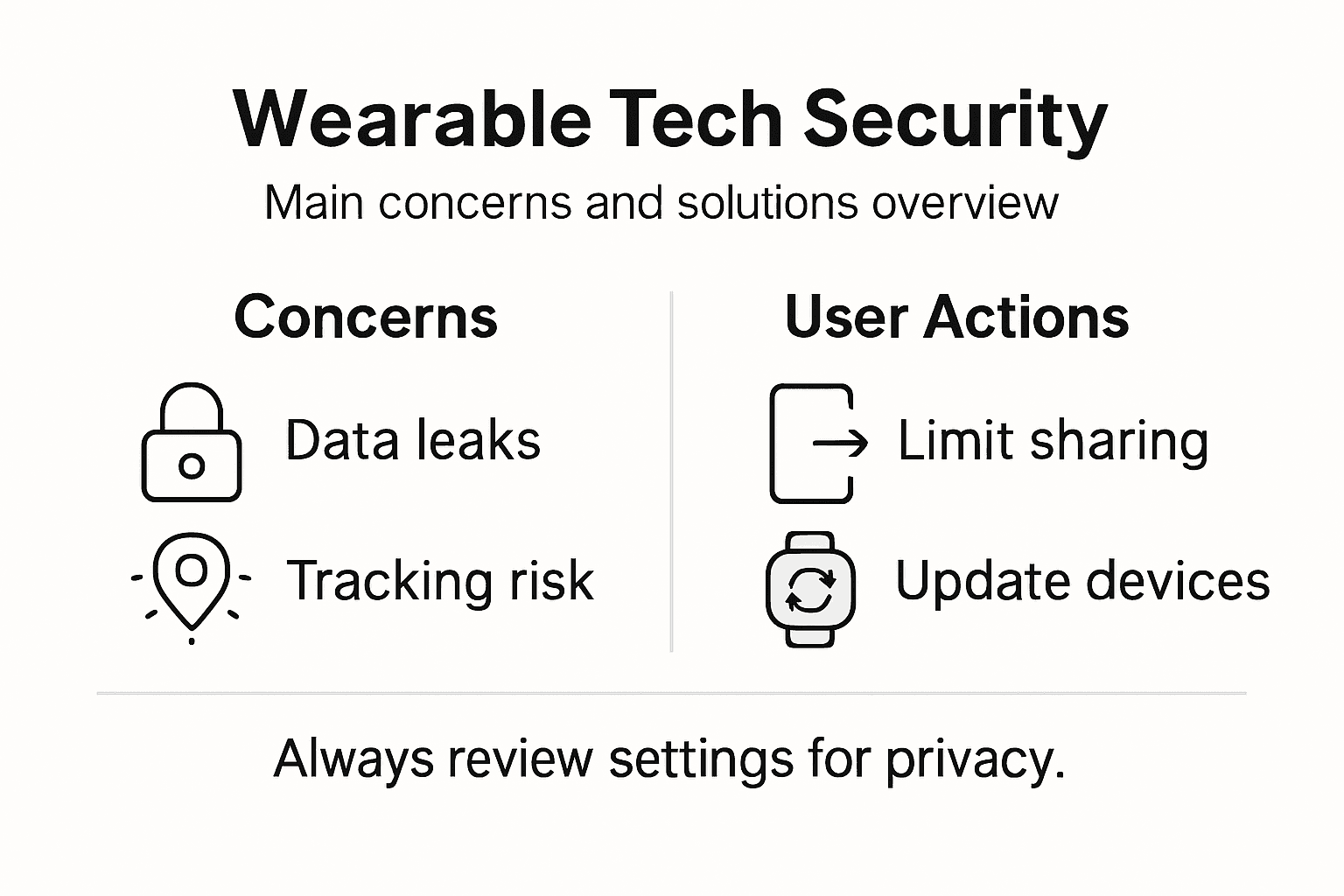
The table below outlines top privacy and security concerns for wearable tech and how users can proactively address them:
| Concern | Potential Impact | User Action |
|---|---|---|
| Data tracking | Sensitive information exposed | Restrict app permissions |
| Device hacking | Unauthorized control/access | Update firmware regularly |
| Weak encryption | Data intercepts possible | Enable advanced security |
| Inconsistent regulations | Unclear data ownership | Review privacy statements |
Pro tip: Always review device privacy settings, limit data sharing permissions, and regularly update your wearable technology’s security firmware to minimize potential risks.
Elevate Your Everyday Style with Intelligent Wearable Accessories
The challenge today is finding wearable technology that not only enhances your daily life with advanced features like RFID-blocking security and seamless connectivity but also matches your personal style and comfort. This article highlights the importance of smart, intuitive devices that fit effortlessly into your routine without compromising on aesthetics or privacy.
At InvisiTechWear, we understand these needs and offer a curated collection of fashionable yet functional pieces that bring together technology and modern design. From our Accessories collection featuring RFID-blocking wallets to tech-infused hoodies in the Hoodies range, every product is designed to protect your data while keeping you stylish and comfortable.

Experience the perfect blend of innovation and style today by exploring our Featured items or start your journey at our main site InvisiTechWear. Don’t wait to secure your smart lifestyle essentials that adapt with you—shop now and transform how technology works for you every day.
Frequently Asked Questions
What are modern wearables and how do they differ from traditional fitness trackers?
Modern wearables are sophisticated devices that go beyond simple fitness tracking. They include health monitors, professional performance devices, augmented reality glasses, and security accessories, all designed to enhance everyday activities and provide real-time insights.
How do I choose the right wearable device for my needs?
When selecting a wearable device, prioritize versatility and compatibility with your existing technology. Look for devices that address specific problems in your daily workflow, such as health monitoring, productivity enhancement, or communication needs.
What are the main functionalities of wearable technology?
Modern wearables feature advanced sensor technologies, connectivity capabilities, and intelligent processing. They can monitor biometric data, track activity levels, enable communication, and provide personalized recommendations based on real-time data.
Are there any privacy concerns associated with using wearable technology?
Yes, wearable technology can pose privacy risks, such as unauthorized data collection and potential cybersecurity vulnerabilities. It’s essential to review privacy settings, limit data sharing permissions, and keep device firmware updated to minimize these risks.


