

Finding fashion accessories that deliver both cutting-edge security and sleek aesthetics challenges even the savviest urban professionals. Research shows 60% of young professionals prioritize security and design over price when selecting accessories, yet the market floods them with options that compromise one for the other. This checklist cuts through the noise, guiding you through essential factors and smart choices to match your urban lifestyle needs with confidence.
Table of Contents
- Selection Criteria For Fashion Technology Accessories
- Security Features In Fashion Tech Accessories
- Bluetooth-Enabled Accessories: Convenience Vs Security
- Smart Textile Functionalities For Urban Professionals
- Customization And Sustainability In Fashion Tech
- Style Vs. Functionality Tradeoffs In Fashion Tech
- Summary Comparison And Situational Recommendations
- Discover Stylish & Secure Fashion Tech Accessories At Invisitech Wear
Key Takeaways
| Point | Details |
|---|---|
| RFID blocking technology | Reduces unauthorized digital scans by over 90% in metropolitan areas |
| Encrypted Bluetooth devices | Cut security breach rates by 75% compared to unsecured alternatives |
| Smart textiles | Lower wearer discomfort by 25% to 40% through temperature regulation |
| Sustainability matters | 45% of consumers demand eco-friendly certifications before purchasing |
| Lifestyle-specific choices | Best accessories vary by use case: travel security, daily commute, or fitness tracking |
Selection Criteria for Fashion Technology Accessories
When choosing fashion tech accessories, security effectiveness ranks highest among urban professionals. Over 60% of buyers weigh protection features and design aesthetics equally before considering price. This priority shift reflects growing awareness of digital theft risks in crowded metropolitan environments.
Style follows security closely. You want accessories that complement your wardrobe while housing advanced tech features invisibly. The best pieces blend minimalist design with robust functionality, avoiding the bulky appearance that plagued earlier wearable tech generations.
Durability and battery life determine daily satisfaction. An accessory that dies mid-commute or frays after two months wastes your investment regardless of its security credentials. Look for reinforced stitching, water-resistant materials, and realistic battery estimates backed by user reviews.
Sustainability and customization increasingly influence millennial and Gen Z purchasing decisions. Eco-conscious production methods and personalized design options build brand loyalty while addressing environmental concerns. These factors matter especially when accessories become daily essentials you’ll use for years.
Pro Tip: Identify your primary need first. Security-focused? Prioritize RFID wallets for urban security. Style-driven? Filter by aesthetic before diving into specs. This approach saves hours of comparison paralysis.
Key evaluation factors include:
- Security technology type and effectiveness rating
- Design compatibility with your existing wardrobe
- Material durability and warranty coverage
- Battery lifespan for active devices
- Sustainability certifications and production transparency
- Customization options for personal expression
Security Features in Fashion Tech Accessories
RFID-blocking technology stands as the frontline defense against digital pickpocketing. Materials that block over 90% of unauthorized scans in metropolitan areas protect your credit cards, passports, and transit cards from remote skimming attempts. Thieves equipped with handheld scanners can steal card data from several feet away, making this protection non-negotiable for urban dwellers.
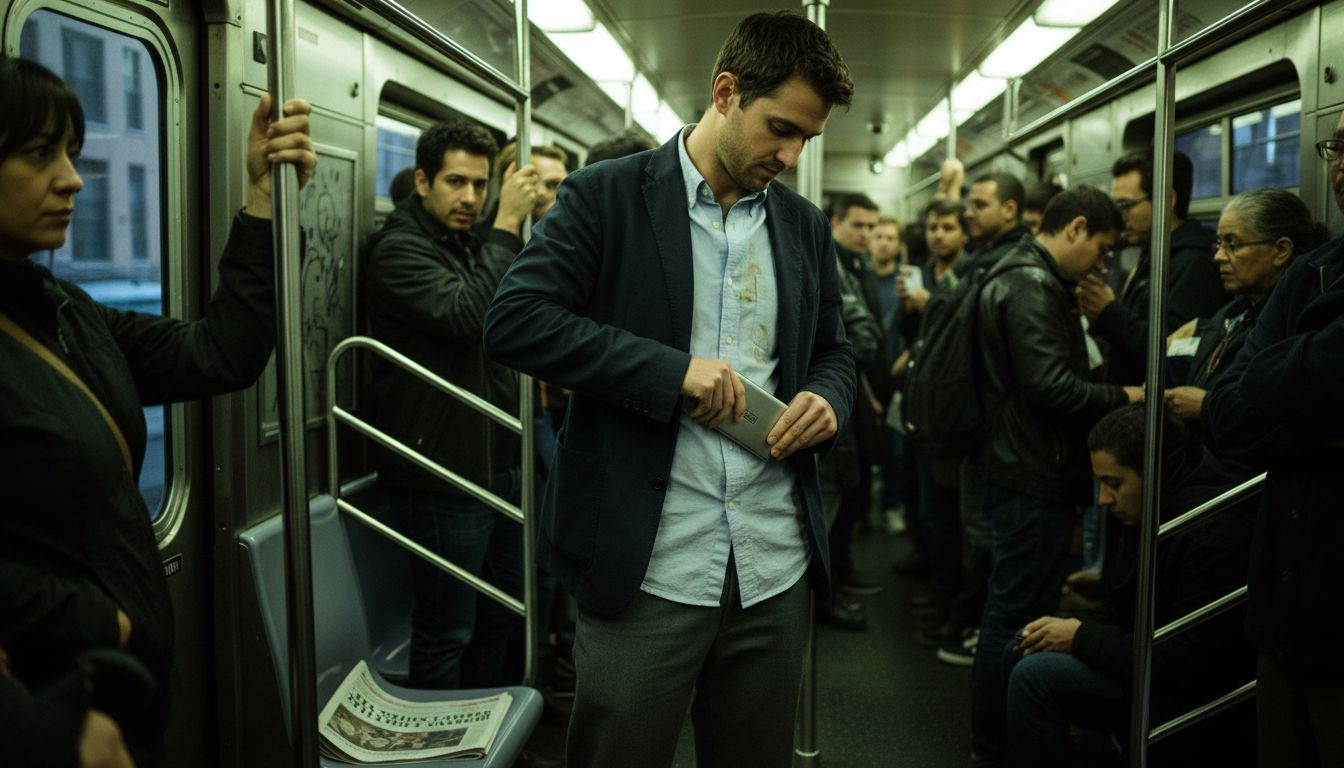
Bluetooth encryption matters just as much as physical blocking. Encrypted Bluetooth accessories showed a 75% reduction in reported security breaches compared to unsecured devices. Without proper encryption, hackers can intercept pairing signals to access your phone or inject malicious commands. Always verify encryption standards before purchasing any Bluetooth-enabled accessory.
Multi-layered security combines RFID blocking with biometric sensors and encrypted wireless connections. Fingerprint scanners on smart wallets add authentication beyond physical possession. If someone steals your wallet, they still can’t access stored payment methods without your biometric signature.
Urban environments amplify digital theft risks through crowd density and public transit proximity. Packed subway cars provide ideal conditions for contactless card skimming. RFID-blocking wallets create a Faraday cage effect, rendering your cards invisible to scanning devices regardless of how close thieves get.
Pro Tip: Test RFID blocking effectiveness by trying to scan a protected card through the accessory material using your phone’s NFC reader. Complete blocking should prevent any detection.
Essential security features to verify:
- RFID shielding material thickness and coverage area
- Bluetooth encryption protocol version
- Biometric sensor type and false acceptance rate
- Physical lock mechanisms for bag compartments
- Anti-theft design elements like cut-resistant straps
Bluetooth-Enabled Accessories: Convenience vs Security
Bluetooth integration transforms ordinary accessories into connected lifestyle tools. More than 70% of Bluetooth-enabled accessory users report increased convenience, citing seamless smartphone pairing and location tracking as top benefits. Smart wallets alert you when left behind, while Bluetooth earphone organizers prevent cable tangling and offer quick access controls.
Battery life varies dramatically across Bluetooth accessories, directly impacting user satisfaction. Coin cell batteries in tracking devices last three to twelve months depending on ping frequency. Rechargeable units in active accessories like smart bags require weekly charging but offer richer feature sets including GPS tracking and battery level monitoring.
Security tradeoffs emerge without proper encryption. 15% of users experience security issues when using unencrypted Bluetooth accessories, from unauthorized pairing to data interception. Encrypted devices reduce security breach rates by 75%, making encryption a mandatory specification rather than optional upgrade.
Popular Bluetooth fashion accessories include smart wallets with location tracking, wireless earphone organizers with charging capabilities, and connected bags featuring anti-theft alerts. Each category balances connectivity benefits against power consumption and security requirements differently.
| Feature | Basic Bluetooth Tracker | Encrypted Smart Wallet | Connected Organizer |
|---|---|---|---|
| Battery Life | 6-12 months | 3-6 months rechargeable | Weekly charging |
| Security Level | Low | High with encryption | Medium |
| Convenience | Location alerts only | Full app integration | Cable management + controls |
| Price Range | $20-$40 | $80-$150 | $50-$90 |
Key considerations when selecting Bluetooth accessories:
- Verify encryption standard meets current security benchmarks
- Check realistic battery life based on your usage patterns
- Confirm smartphone app compatibility and review quality
- Assess replacement battery availability for non-rechargeable units
Smart Textile Functionalities for Urban Professionals
Smart textiles revolutionize comfort through active temperature regulation. Jackets reduce wearer discomfort by 25% to 40% by adjusting insulation based on body heat and external conditions. Phase-change materials embedded in fabric absorb excess heat during warm periods and release it when temperatures drop, maintaining optimal comfort across varying urban microclimates.
Biometric monitoring integrates health tracking directly into everyday garments. Shirts with embedded heart rate sensors, jackets monitoring stress levels through skin conductivity, and dresses tracking posture provide continuous wellness data without separate wearable devices. This seamless integration appeals to professionals seeking holistic health insights without additional accessories.
Adoption among urban professionals grew 20% to 30% from 2023 to 2025 as smart textile technology matured and prices dropped. What began as experimental luxury items now appears in mid-range fashion lines, making advanced fabric technology accessible to broader consumer segments.
Available smart textile products span multiple garment categories. Temperature-regulating jackets suit variable weather commutes. Biometric-monitoring shirts serve fitness-conscious professionals. Smart dresses with posture feedback help desk workers maintain ergonomic positioning throughout long work sessions.
Key smart textile innovations include:
- Phase-change materials for dynamic temperature control
- Conductive threads enabling biometric sensor integration
- Moisture-wicking fabrics with antimicrobial properties
- Flexible solar panels for device charging capability
- Color-changing fibers responding to environmental conditions
Customization and Sustainability in Fashion Tech
3D printing enables unprecedented accessory personalization while supporting sustainable production. Fashion tech 3D printing grew 35% annually since 2022, emphasizing bespoke designs that eliminate excess inventory waste. You can customize wallet dimensions, bag compartment layouts, and strap lengths to exact specifications, creating accessories perfectly matched to your needs.
Eco-friendly certifications drive purchasing decisions. 45% of fashion tech consumers prioritize eco-friendly certifications before purchase, seeking transparent supply chains and verified sustainable materials. Recycled ocean plastics, organic cotton blends, and biodegradable polymers increasingly replace conventional materials in tech-fashion production.
Sustainability boosts brand trust and loyalty beyond environmental benefits. Consumers perceive eco-conscious brands as more innovative and quality-focused, willing to pay premium prices for products aligning with their values. This perception creates competitive advantages for companies investing in sustainable materials and ethical manufacturing.
Customization appeals to urban professionals seeking unique style expression. Off-the-rack accessories rarely perfectly match individual preferences for size, color combinations, or feature priorities. Personalized options let you specify RFID pocket placement, choose monogram styles, or select charging port configurations matching your device ecosystem.
Pro Tip: Look for brands offering modular designs where you can swap components like straps, panels, or tech modules. This extends product lifespan and reduces waste when updating features.
Sustainability factors to evaluate:
- Material sourcing transparency and certifications
- Production energy efficiency and carbon offset programs
- Product lifespan and repair service availability
- End-of-life recycling or takeback programs
- Packaging materials and shipping practices
Style vs. Functionality Tradeoffs in Fashion Tech
Balancing aesthetics with technical performance creates inherent compromises. Consumers report 30% dissatisfaction due to compromises between battery life and style in wearable tech accessories. Slimmer profiles limit battery capacity. Minimalist designs restrict port access. Fashion-forward materials sometimes sacrifice durability for appearance.
Battery life suffers most from style priorities. Thin smart wallets accommodate fewer cells than bulkier alternatives, reducing tracking duration between charges. Sleek bags with integrated charging sacrifice pocket space for power banks. You must decide whether extended battery life or streamlined appearance matters more for your daily routine.
Material durability affects longevity and perceived value significantly. Premium leather ages beautifully but requires careful maintenance. Synthetic materials withstand weather abuse but may lack the sophisticated appearance professionals desire. Hybrid constructions attempt balancing both qualities through strategic material placement.
Design compromises impact usability and security efficacy. Ultra-slim RFID wallets may not accommodate bulky card stacks. Fashionable smart bags with external USB ports create potential security vulnerabilities. Balancing style and security requires understanding which tradeoffs you can accept based on lifestyle patterns.
Consumers increasingly prefer balanced approaches rather than extremes. Moderately sized batteries supporting multi-day use beat ultra-thin designs requiring daily charging. Subtle tech integration maintaining classic aesthetics outperforms obviously technical appearances. The sweet spot combines 80% of desired features with 90% of preferred styling.
Common tradeoff considerations:
- Slim profile vs. battery capacity and feature richness
- Fashion materials vs. weather resistance and durability
- Minimalist design vs. accessible ports and controls
- Lightweight construction vs. protective padding
- Trend-forward styling vs. timeless versatility
Summary Comparison and Situational Recommendations
Consolidating key features across fashion tech categories clarifies optimal choices for specific urban lifestyle needs. RFID-blocking accessories prioritize security, Bluetooth devices emphasize connectivity, and smart textiles focus on comfort and health monitoring. Your ideal selection depends on which benefits align with daily activities and primary concerns.
| Accessory Type | Primary Benefit | Best For | Key Feature | Typical Price |
|---|---|---|---|---|
| RFID Wallet | Security | Travel, transit | 90%+ scan blocking | $60-$120 |
| Bluetooth Organizer | Convenience | Daily commute | Device tracking | $50-$90 |
| Smart Textile Jacket | Comfort | Variable weather | Temperature regulation | $150-$300 |
| Encrypted Smart Bag | Multi-function | Business travel | Integrated security | $120-$250 |
For frequent travelers, prioritize RFID-blocking wallets and bags protecting passport and payment cards across international borders. Add encrypted Bluetooth trackers preventing luggage loss. Smart textile jackets handle climate variations between destinations without packing multiple layers.
Daily commuters benefit most from Bluetooth-enabled organizers managing cables and devices during transit. Smart wallets with location alerts prevent leaving items on trains or buses. Lightweight smart textiles regulate temperature across morning chill and afternoon heat without outfit changes.
Fitness-focused professionals need biometric-monitoring textiles tracking activity and recovery metrics seamlessly. Moisture-wicking smart fabrics maintain comfort during workouts. Compact RFID wallets secure gym locker contents while minimizing bulk.
Recommended selection process:
- Identify your primary use case and top priority feature
- Set realistic budget accounting for quality and longevity
- Compare top-rated options within your category
- Verify security certifications and material specifications
- Check return policies allowing real-world testing
- Read recent user reviews focusing on long-term durability
Discover Stylish & Secure Fashion Tech Accessories at Invisitech Wear
Ready to upgrade your urban accessory game with solutions combining cutting-edge security and effortless style? Invisitech Wear curates fashion accessories that blend style and security perfectly for tech-savvy professionals navigating metropolitan life.
Our collection features advanced RFID-blocking wallets and bags providing 90%+ protection against digital theft without sacrificing sleek aesthetics. Encrypted Bluetooth organizers keep your devices connected and secure. Sustainable materials and customizable options ensure your accessories reflect personal values and unique style preferences. Explore expertly designed solutions that work as hard as you do while looking exceptional.
FAQ
What are the must-have security features in fashion tech accessories?
RFID blocking prevents unauthorized scans of payment cards and passports, while encrypted Bluetooth secures wireless connections against hacking. Biometric sensors add authentication layers ensuring only you access stored payment methods.
How does smart textile technology improve wearer comfort?
Smart textiles regulate temperature dynamically, reducing discomfort by 25% to 40% through phase-change materials that adapt to body heat. Integrated biometric sensors monitor health metrics like heart rate and stress levels without separate wearable devices.
Can I customize my fashion tech accessories sustainably?
3D printing enables bespoke designs using eco-friendly materials like recycled plastics and organic fibers. 45% of consumers now prioritize sustainability certifications, and many brands offer modular designs allowing component swaps to extend product lifespan.
Which Bluetooth accessories offer the best security?
Encrypted Bluetooth devices with current security protocols reduce breach rates by 75% compared to unsecured alternatives. Look for accessories specifying encryption standards and regular firmware updates addressing emerging vulnerabilities.
How long do batteries last in fashion tech accessories?
Battery life varies by device type and usage patterns. Passive Bluetooth trackers last 6 to 12 months on coin cells, while active smart wallets with full app integration require recharging every 3 to 6 months for optimal performance.


