

Owning connected sneakers or a jacket with built-in heating panels sounds exciting until the first time you need to wash them. Tech fabrics merge sophisticated electronics with advanced textiles, which means maintaining performance starts with smart assessment. Understanding smart fabric technologies and their care needs helps safeguard both your investment and style. This overview reveals practical steps for confidently managing, cleaning, and preserving your tech garments’ features and longevity.
Table of Contents
- Step 1: Assess Fabric And Technology Type
- Step 2: Prepare Garments For Cleaning
- Step 3: Clean Tech Fabrics With Proper Methods
- Step 4: Dry And Store Tech Items Safely
- Step 5: Verify Integrity And Performance Post-Care
Quick Summary
| Key Point | Explanation |
|---|---|
| 1. Identify Fabric Type | Categorize your tech fabric as natural, synthetic, or hybrid for targeted care. |
| 2. Prepare for Cleaning | Inspect garments and remove any detachable electronics before washing to protect technology. |
| 3. Follow Cleaning Guidelines | Use cold water and gentle cycles to maintain the integrity of sensors and components. |
| 4. Dry and Store Carefully | Air-dry fabrics flat in a cool area, avoiding heat to preserve technological features. |
| 5. Verify Post-Care Performance | Conduct thorough checks on electronics and fabric condition to ensure continued functionality. |
Step 1: Assess Fabric and Technology Type
Understanding your tech fabric’s composition is crucial for ensuring its long-lasting performance and proper maintenance. Smart fabric technologies integrate advanced materials with sophisticated electronic components, requiring specialized care approaches.
To effectively assess your tech fabric, start by examining its fundamental characteristics. Tech fabrics can be categorized into several key types:
- Natural fiber-based tech fabrics: Cotton, wool, or silk enhanced with technological features
- Synthetic tech fabrics: Polyester or nylon embedded with sensors and conductive threads
- Hybrid tech fabrics: Combinations of natural and synthetic materials with integrated electronics
When analyzing your specific fabric, pay close attention to these critical factors:
- Identify the base material composition
- Determine the type of technological integration
- Check the specific electronic or sensing components
- Examine the fabric’s flexibility and durability
Technological integration transforms traditional textiles into intelligent, responsive materials that can adapt to environmental conditions and user needs.
Additionally, understanding fiber production processes helps predict the fabric’s performance characteristics. Synthetic fibers like polyester might offer different maintenance requirements compared to natural fibers with technological enhancements.
Here’s a quick reference comparing tech fabric types and their care considerations:
| Tech Fabric Type | Technology Integration | Typical Care Challenge |
|---|---|---|
| Natural Fiber-Based | Surface sensors, coatings | Sensitive to moisture |
| Synthetic Tech Fabric | Embedded threads, chips | Static buildup, heat risk |
| Hybrid Tech Fabric | Mixed electronics, modules | Compatibility of materials |
Pro tip: Always check the manufacturer’s specific care instructions, as tech fabrics can have unique maintenance protocols that differ significantly from traditional textiles.
Step 2: Prepare Garments for Cleaning
Preparing your tech fabrics for cleaning requires careful attention to detail to maintain their advanced technological features and overall performance. Laundry preparation involves several strategic steps to protect your specialized garments.
Start by thoroughly sorting your tech fabrics based on their specific characteristics:
- Color separation: Group garments by similar color tones to prevent potential dye transfer
- Technological complexity: Separate high-tech garments from standard textiles
- Material sensitivity: Isolate delicate electronic-integrated fabrics
Before washing, perform these critical pre-cleaning assessments:
- Inspect each garment for visible electronic components
- Check integrated sensor connections and attachments
- Remove any detachable electronic modules
- Verify manufacturer’s specific cleaning instructions
Proper garment preparation is not just about cleaning but preserving the intricate technological features woven into your fabric.
For specialized tech garments, cleanroom garment handling techniques suggest meticulous inspection and careful segregation. Pay special attention to any potential damage or loose connections that might compromise the garment’s technological integrity.
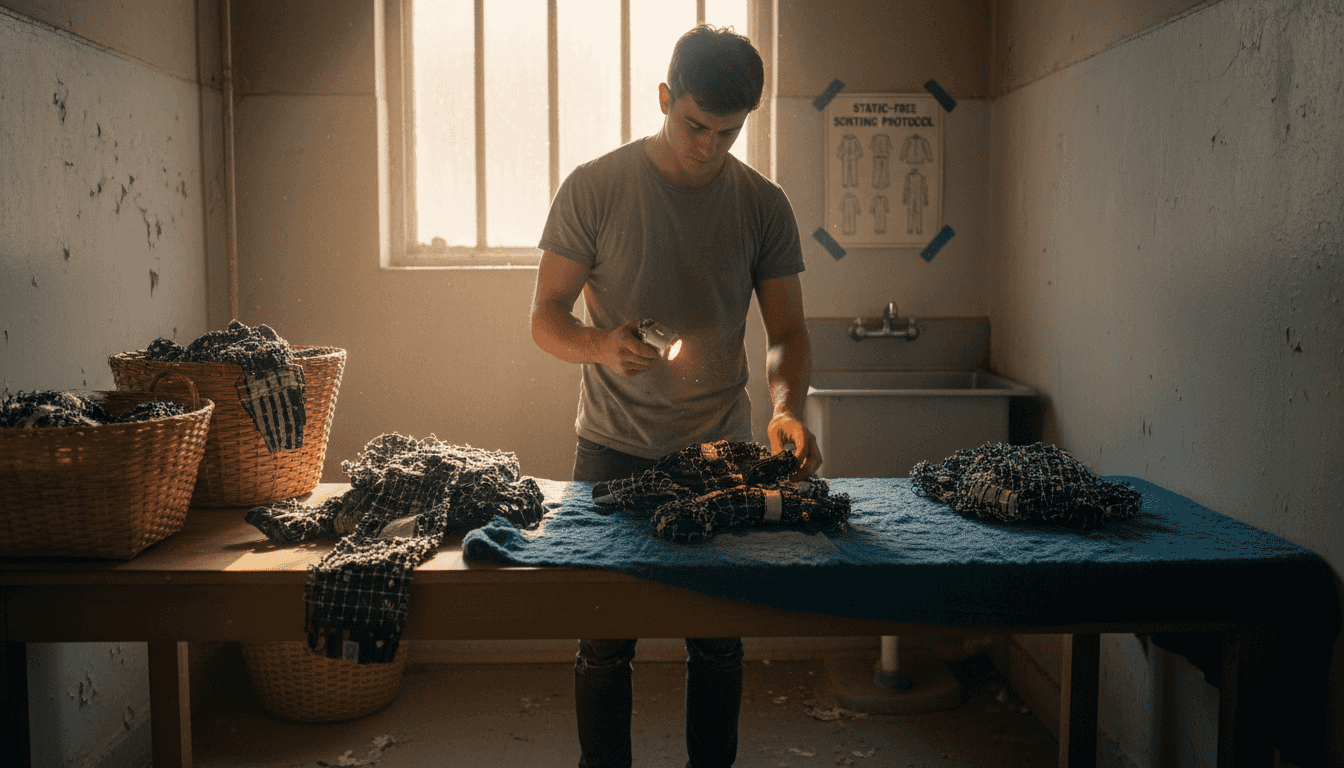
Pro tip: Always photograph or document the original configuration of your tech garments before disassembling any electronic components to ensure proper reassembly after cleaning.
Step 3: Clean Tech Fabrics with Proper Methods
Cleaning tech fabrics requires a nuanced approach that balances thorough cleaning with preserving their advanced technological features. Microplastic reduction techniques are crucial for maintaining both fabric performance and environmental responsibility.
Follow these essential cleaning guidelines for your tech garments:
- Temperature control: Use cold or lukewarm water to prevent damage to electronic components
- Gentle cycle selection: Choose the lowest agitation setting
- Specialized detergent: Use mild, tech-fabric friendly cleaning agents
- Avoid fabric softeners: These can degrade technological integrations
Your cleaning process should include these specific steps:
- Turn garments inside out to protect external technological elements
- Use mesh laundry bags for added protection
- Select delicate or tech-fabric specific wash cycles
- Avoid direct heat during drying
Tech fabric cleaning is a delicate balance between maintaining cleanliness and preserving intricate technological integrations.
For specialized garments, cleanroom laundering techniques recommend meticulous attention to washing parameters. This includes carefully monitoring detergent compatibility, avoiding washer overloading, and ensuring complete moisture removal during the drying process.
Pro tip: Always air dry tech fabrics when possible, positioning them flat to maintain their structural integrity and prevent potential damage to integrated electronic components.
Step 4: Dry and Store Tech Items Safely
Drying and storing your tech-enabled garments demands precision and careful attention to maintain their advanced technological capabilities. Fabric drying mechanics play a critical role in preserving the performance and longevity of your specialized textiles.
Implement these strategic drying guidelines for your tech fabrics:
- Avoid direct heat: Never use high-temperature dryers
- Air circulation: Choose well-ventilated spaces for drying
- Flat drying: Lay garments flat to prevent shape distortion
- Temperature control: Maintain consistent room temperature
Your comprehensive drying and storage process should include:
- Spread garments on breathable mesh racks
- Keep away from direct sunlight
- Ensure complete moisture evaporation
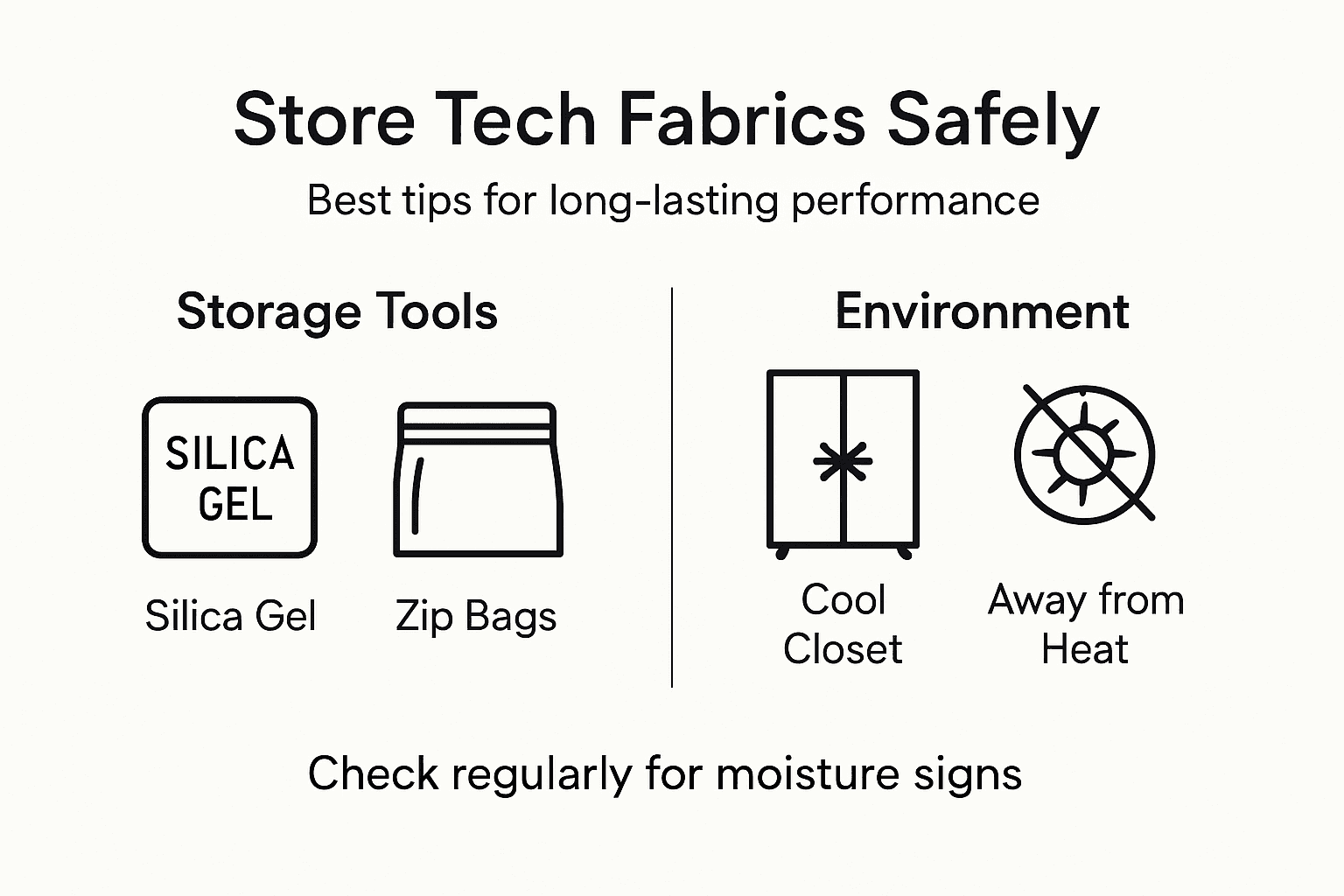
- Store in cool, dry storage containers
Proper storage is not just about preservation—it’s about maintaining the sophisticated technological integrations within your fabric.
Advanced polymer fabric research highlights the importance of maintaining stable environmental conditions to protect unique thermal and functional properties. Fluctuating humidity or temperature can compromise the intricate technological elements embedded in your garments.
Pro tip: Invest in moisture-absorbing silica gel packets when storing tech fabrics to prevent potential moisture-related degradation and maintain optimal performance.
Step 5: Verify Integrity and Performance Post-Care
After meticulously cleaning and caring for your tech fabrics, conducting a comprehensive performance verification is essential to ensure their continued functionality. Textile performance evaluation encompasses a range of critical assessments that confirm your garment’s optimal condition.
Conduct these strategic integrity checks on your tech fabrics:
- Visual inspection: Look for any signs of wear or damage
- Electronic component test: Verify sensor or technological integrations
- Functional testing: Check performance under standard conditions
- Material resilience: Assess fabric flexibility and structural integrity
Your post-care verification process should include:
- Examine technological interfaces for connectivity
- Test moisture-wicking capabilities
- Verify color retention and fabric strength
- Check for any performance degradation
Performance verification is not just a routine check—it’s your guarantee of continued technological excellence.
Advanced fabric testing methodologies provide systematic approaches to evaluating critical parameters like tensile strength, hydrolytic stability, and overall material performance. These standardized assessments help you confirm that your tech fabrics maintain their intended functionality after each care cycle.
Pro tip: Create a simple performance log to track your tech fabric’s condition after each cleaning, helping you identify any gradual changes in performance over time.
Use this guide to understand the impact of each cleaning step on tech fabric performance:
| Cleaning Step | Main Focus | Impact on Tech Features |
|---|---|---|
| Sorting | Garment preservation | Prevents cross-contamination |
| Pre-Clean Checks | Component protection | Minimizes electronic malfunction |
| Washing | Gentle agitation, temp. | Maintains technology integrity |
| Drying/Storage | Heat/humidity control | Extends lifespan of smart textiles |
| Post-Care Check | Functionality verification | Ensures reliable performance |
Keep Your Tech Apparel Performing at Its Best with InvisiTechWear
Caring for tech fabrics requires thoughtful attention to material types, cleaning methods, and storage to preserve the advanced technology woven into each garment. If you value both innovation and style, protecting your investment starts with smart choices that match your lifestyle and needs. At InvisiTechWear, we understand the challenges of maintaining high-tech apparel and accessories without sacrificing convenience or fashion.

Explore our carefully curated Products collection to find tech-enabled apparel and accessories designed with durability and function in mind. Whether you are searching for high-quality Tee Shirts or versatile, smartly crafted everyday wear, our selections combine style with robust technology that lasts. Don’t wait to experience the perfect blend of fashion and functionality. Visit InvisiTechWear now to shop the future of wearable technology and keep your wardrobe performing at its peak.
Frequently Asked Questions
How do I identify the type of tech fabric I have?
To identify the type of tech fabric, examine its base material, such as natural fibers like cotton or synthetic materials like polyester. Look for any unique technological integrations, such as embedded sensors or conductive threads, and consider its flexibility and durability.
What are the best practices for preparing tech fabrics for washing?
To prepare tech fabrics for washing, sort them by color, technological complexity, and material sensitivity. Inspect garments for electronic components, detachable modules, and ensure you follow the manufacturer’s specific cleaning instructions for optimal care.
How should I wash my tech fabrics to maintain their performance?
When washing tech fabrics, use cold or lukewarm water and choose a gentle cycle with mild cleaning agents. Always turn garments inside out and use mesh laundry bags for protection to prevent damage to their technological integrations.
What drying methods should I use for tech fabrics?
For drying tech fabrics, avoid direct heat from dryers and opt for air drying in a well-ventilated space. Lay garments flat to prevent distortion and ensure complete moisture evaporation to maintain their shape and technological features.
How can I verify the performance of my tech fabrics after cleaning?
To verify the performance of your tech fabrics, conduct a visual inspection for signs of wear, check electronic components for functionality, and assess the fabric’s flexibility. Document your findings to track any changes over time and ensure your textiles maintain their intended performance.


