

Choosing what to wear for the day often means deciding between sharp looks and real-world functionality. For busy urban professionals and Gen Z who live in fast-paced cities, tech wear is more than a fleeting trend—it bridges personal style with daily tech demands. Tech wear aesthetics fuse advanced materials with thoughtful, comfort-driven design, balancing visual appeal and practical features for true security and convenience. This article guides you through the evolving design principles and key visual cues that set smart, intentional tech wear apart.
Table of Contents
- Defining Aesthetics In Tech Wear Today
- Major Types Of Tech Wear Aesthetics
- How Design Choices Impact Functionality
- User Appeal: Balancing Style And Utility
- Common Pitfalls In Tech Wear Design
Key Takeaways
| Point | Details |
|---|---|
| Balance of Aesthetics and Functionality | Tech wear combines stylish design with practical features to meet the demands of urban living. Successful pieces integrate technology seamlessly into a visually appealing garment. |
| Variety of Aesthetic Styles | Different tech wear aesthetics cater to various preferences and lifestyles, from Urbancore’s street style to Warcore’s tactical elements. Identifying your aesthetic helps in selecting pieces that resonate with your identity. |
| User Experience Matters | Comfort and usability are crucial; designs must ensure ease of movement and access to features without compromising style. Evaluating fit and function in person is essential before purchasing. |
| Common Design Pitfalls | Designers must avoid oversights like poor pocket placement and neglecting comfort for technology. Understanding these pitfalls enables consumers to make informed choices about tech wear. |
Defining Aesthetics in Tech Wear Today
Tech wear aesthetics represent far more than slick styling or trendy silhouettes. They’re the deliberate intersection where visual appeal meets functional necessity, where what you see directly impacts what your clothes can do. For urban professionals and Gen Z consumers navigating crowded commutes, unpredictable weather, and constant connectivity demands, this balance between form and function isn’t negotiable. You’re not buying a jacket just to look good. You’re investing in a piece that protects your devices, moves with your body, and makes sense for how you actually live.
The core of tech wear aesthetics draws from integrated aesthetics and utility, blending high fashion with streetwear influences while incorporating advanced materials built for real performance. This isn’t military surplus cosplay. Modern tech wear pulls from military utilitarianism and East Asian streetwear traditions, creating a visual language that communicates practicality. You’ll notice clean lines, strategic pockets positioned for accessibility (not just decoration), color palettes dominated by blacks, grays, and muted tones that hide wear and blend with urban environments, and fabrics chosen as much for their breathability and water resistance as for their appearance. The muted color scheme serves a dual purpose: it looks intentional and sophisticated while being remarkably forgiving in daily use.
Smart clothing design goes beyond aesthetics alone by merging artistic vision with scientific principles to create garments that genuinely enhance your functionality. This approach requires balancing visual appeal with usability, considering how technology integrates into fabric without creating uncomfortable bulges, awkward closures, or obvious tech-y vibes. When you wear a stylish RFID blocking wallet or a jacket with hidden tech pockets, you’re experiencing this balance. The aesthetic should feel intuitive and invisible. A well-designed tech wear piece doesn’t announce its features through clunky straps or sci-fi gimmicks. Instead, it demonstrates intelligence through subtle details: reinforced seams at stress points, ergonomic pocket placement, fabric that drapes naturally while housing security technology, and a color palette that works across seasons and contexts.
Understanding these design principles helps you recognize quality when evaluating functional fashion options. The aesthetics you’re drawn to aren’t arbitrary. They signal thoughtful engineering, consideration for your lifestyle, and commitment to products that work as hard as you do.
Pro tip: When shopping for tech wear, run your hands over the fabric and check pocket placement in person whenever possible. The best aesthetic decisions reveal themselves through tactile feedback and how the piece actually sits on your body, not just in photos.
Major Types of Tech Wear Aesthetics
Tech wear doesn’t fit into a single box. The aesthetic landscape splits into several distinct styles, each serving different preferences, lifestyles, and contexts. Understanding these categories helps you identify which approach resonates with how you actually move through the world. Whether you’re drawn to streetwear vibes or tactical functionality, there’s a tech wear aesthetic built for you.
Urbancore pulls straight from street culture and dystopian imagery, blending oversized silhouettes with muted urban colors. Think dark grays, blacks, and charcoals paired with strategic straps, multiple pockets, and fabrics that feel deliberately raw. This style works perfectly for city dwellers who want their clothes to reflect the controlled chaos of metropolitan life. Warcore leans harder into military heritage, emphasizing tactical gear aesthetics, dark palettes, and utilitarian construction. Heavy-duty zippers, reinforced seams, and cargo pockets aren’t just decoration here. They signal serious functionality. Techno/Cyberpunk flips the script entirely, introducing neons, bright accents, and futuristic silhouettes that wouldn’t look out of place in a sci-fi film. This aesthetic appeals to those who see tech wear as forward-looking fashion, not just practical gear. Meanwhile, Lunarcore represents the luxury end of the spectrum, featuring lighter color palettes, premium materials like high-tech fabrics and innovative finishes, and refined silhouettes that prioritize elegance alongside performance. Adventurecore and Sportscore shift focus almost entirely to functional aspects, with aesthetics playing a secondary role to weather resistance, mobility, and durability.
The beauty of these distinct techwear sub-genres is that they acknowledge a core truth: one person’s perfect aesthetic is another person’s complete miss. Your choice isn’t random. Research shows that wearable aesthetics connect deeply to identity and cultural expression, meaning what you wear signals something about how you see yourself and your place in the world. When you select Warcore gear with tactical pockets and reinforced construction, you’re communicating different values than someone choosing Lunarcore’s refined, minimalist elegance. Both prioritize function, but they communicate it differently. The role of design in tech apparel extends beyond individual pieces. It encompasses how your chosen aesthetic integrates into your overall wardrobe, how it makes you feel wearing it, and whether it genuinely supports your daily activities.
This variety matters because it means tech wear accessibility extends beyond “one look fits all.” You can embrace cutting-edge RFID-blocking technology and security features without sacrificing personal style. Your jacket or wallet doesn’t need to scream military tactical gear if that’s not who you are. The technical features work equally well whether your aesthetic leans dystopian street style or premium minimalism. Choose the visual language that feels authentic to you.
Here’s a concise overview of the main tech wear aesthetics and who they’re best suited for:
| Aesthetic Style | Key Visual Elements | Primary Audience | Typical Use Case |
|---|---|---|---|
| Urbancore | Oversized, muted, street details | Urban professionals, creatives | Daily city commuting |
| Warcore | Tactical, reinforced, dark | Function-focused, outdoor enthusiasts | Travel, rugged environments |
| Techno/Cyberpunk | Futuristic, neon, bold lines | Early adopters, trend seekers | Nightlife, tech conferences |
| Lunarcore | Light tones, luxury fabrics | Minimalists, luxury shoppers | Upscale events, business travel |
| Adventurecore | Weatherproof, sturdy, utilitarian | Active, outdoorsy individuals | Hiking, adverse weather |
| Sportscore | Streamlined, athletic, flexible | Fitness lovers, commuters | Workouts, active commutes |
Pro tip: Mix and match across aesthetic categories rather than committing entirely to one style. Pair a Warcore tactical jacket with Lunarcore minimalist accessories, or blend Urbancore streetwear vibes with functional Sportscore features for a personalized tech wear approach that feels genuinely yours.
How Design Choices Impact Functionality
Every design decision in tech wear carries weight. The placement of a pocket, the choice of fabric weight, the angle of a strap, the thickness of a seam. None of these details are arbitrary. They directly determine whether your gear actually performs when you need it to. A jacket that looks tactical but has poorly positioned pockets becomes frustrating in real use. A wallet with RFID-blocking technology that’s too rigid to fit comfortably in your back pocket defeats its own purpose. The gap between what looks good and what actually works can be surprisingly wide, and closing that gap requires intentional design thinking.
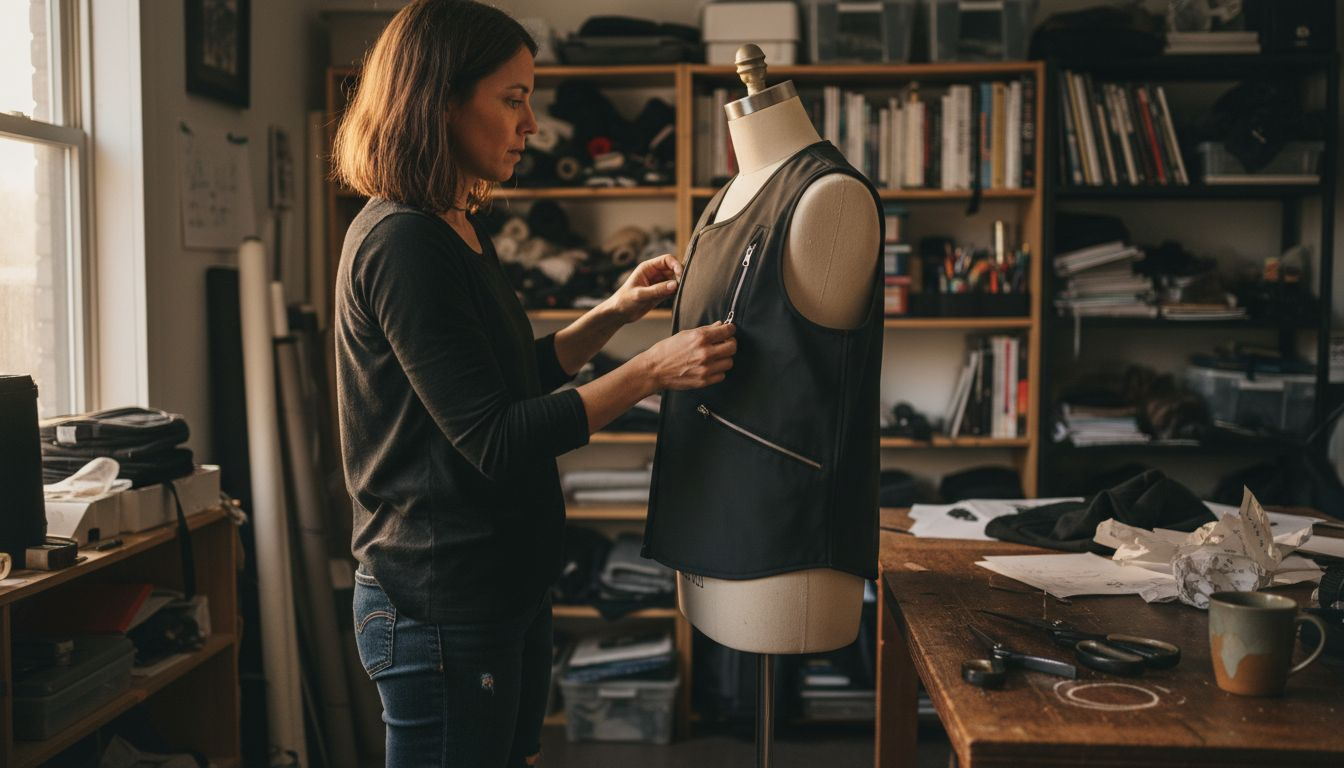
Design choices in smart clothing significantly affect usability and garment function, forcing designers to navigate constant trade-offs between what’s visually appealing and what’s practically necessary. Material selection determines everything from how the fabric drapes and feels against your skin to its ability to repel water or breathe during intense movement. A heavier, more durable textile might protect your RFID-blocking wallet better but can make a jacket feel stiff and restrictive. Lighter materials offer superior mobility but might sacrifice weatherproofing. Ergonomic tailoring shapes how a garment actually fits your body during movement. A shoulder seam positioned a quarter inch off can throw off your entire range of motion, while properly engineered sleeves allow unrestricted arm movement for climbing, reaching, or navigating crowded transit. Technology integration requires its own precision. Sensor placement, conductive thread routing, and hidden tech pockets must function without creating uncomfortable bulges or obvious tech vibes. The fabric needs enough flexibility to move with your body without stressing the embedded technology.
Successful tech wear demands that aesthetic design balances with practical functionality across multiple contexts. A piece that looks sleek in photos but bunches awkwardly when you sit down for a three-hour meeting fails regardless of its visual appeal. The best-designed pieces anticipate your actual life: the compression of sitting in a train seat, the sweat from rushing between meetings, the way a jacket moves when you reach for something on a high shelf. Sensor placement affects device effectiveness directly. An RFID-blocking layer positioned too far from your cards or passport offers less protection. Hidden pockets for tech accessories must be accessible enough that you don’t fumble awkwardly retrieving your phone, yet secure enough that nothing shifts or falls out during movement. This is where thoughtful tech apparel design becomes visible. You notice it in how smoothly features integrate into your daily routine, not in how many technical specifications a product lists.
The most valuable design decisions are often invisible to someone just looking at a garment. You discover them through use: the reinforced seams that hold up through months of commuting, the fabric that breathes just enough during summer but insulates when layers are minimal, the pocket placement that matches your actual reach patterns. Your role in this process is recognizing quality design when you encounter it and prioritizing it over pure aesthetics. A piece that looks incredibly cool but leaves you uncomfortable or fumbling with its features isn’t actually serving your life.
Pro tip: Before purchasing tech wear, test the pocket accessibility, shoulder range of motion, and material flexibility in person whenever possible. The most telling design quality emerges through physical interaction, not product photography.
User Appeal: Balancing Style and Utility
Here’s the honest truth: a piece of tech wear could have the most sophisticated RFID-blocking technology and ergonomic engineering imaginable, but if you hate how it looks, you won’t wear it. And if you don’t wear it, all that functional brilliance becomes irrelevant. This is why the balance between style and utility matters so profoundly. You need gear that performs flawlessly and makes you feel confident wearing it. One without the other creates a dead end.
The challenge designers face is real. Aesthetic preferences profoundly influence consumer choices, meaning your visual attraction to a piece directly shapes whether you’ll adopt it and keep using it long-term. This isn’t superficial. Research shows that style and visual appeal correlate with user satisfaction, creating a genuine feedback loop where aesthetics impact functionality adoption. When a jacket looks sleek and aligns with your personal style, you reach for it more often. You wear it in more situations. You test its features more thoroughly. That repeated use reveals whether the functional aspects actually deliver. Conversely, a perfectly functional piece that clashes with your aesthetic becomes a closet decoration. The result is wasted potential on both sides.
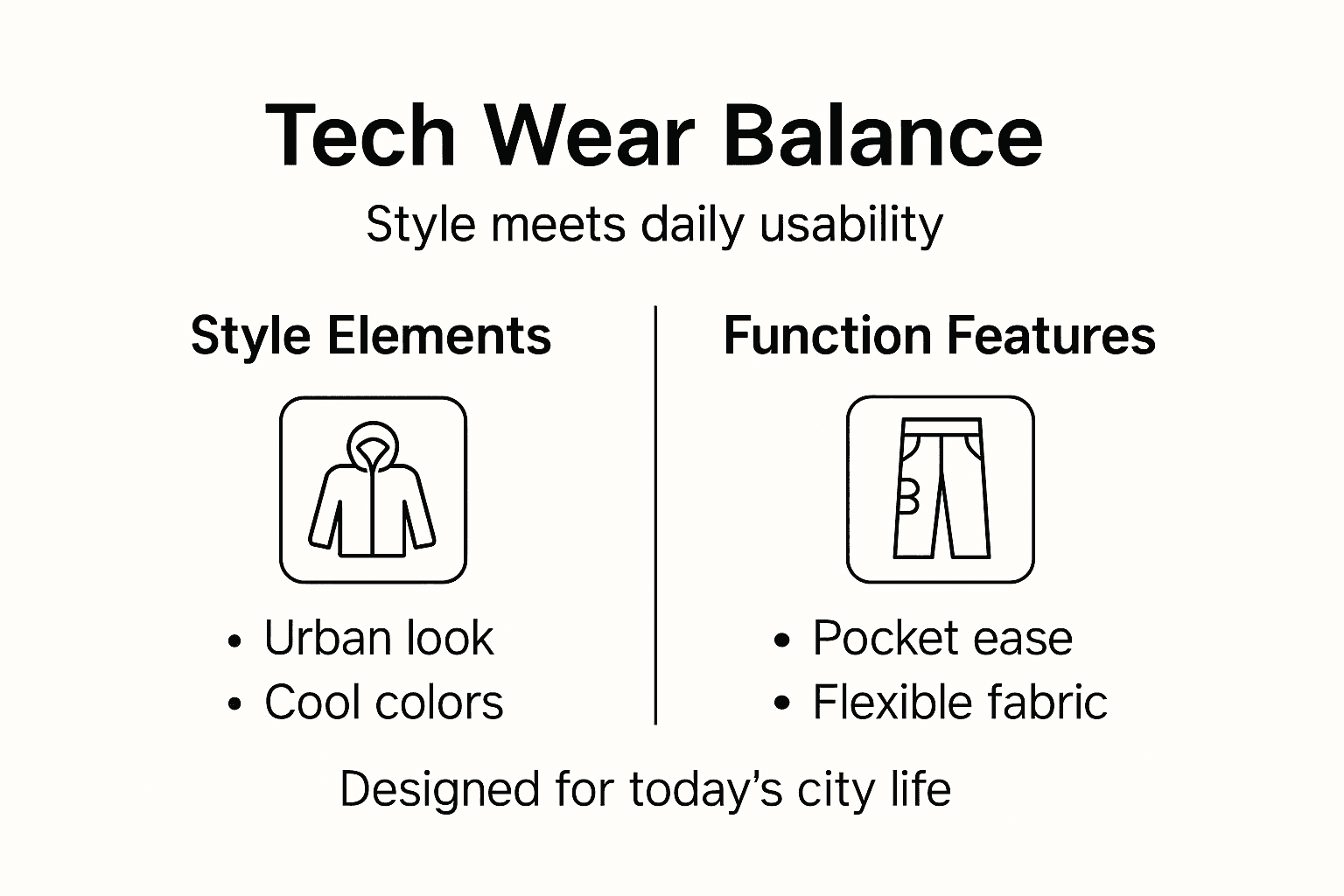
Successful tech wear requires balancing technical functionality with user-driven style preferences, integrating fashion elements like form, color, and texture with technological features. This means your RFID-blocking wallet needs to feel good in your hand and complement your wardrobe. Your tech-infused jacket should move with you while reflecting your personal aesthetic direction. The pocket placement that improves functionality should complement the silhouette rather than clutter it. Comfortable RFID-blocking technology means nothing if the garment fits awkwardly or the color palette doesn’t work with your existing clothes. Consider how a muted Warcore aesthetic jacket serves someone who builds their wardrobe around tactical functionality and dark tones. That same piece would feel completely wrong for someone drawn to Lunarcore’s premium minimalism or Urbancore’s streetwear influences. Neither person is wrong. Each aesthetic serves different style preferences and lifestyle contexts. The key is finding pieces that satisfy both camps. When you discover tech wear that genuinely looks the way you want while performing exactly as you need, you’ve found something worth keeping.
Pro tip: When evaluating tech wear for potential purchase, mentally envision three specific situations where you’d actually wear the piece, then verify it works aesthetically and functionally in each scenario. This mental test filters out impulse purchases that won’t integrate into your real life.
Common Pitfalls in Tech Wear Design
Designers creating tech wear face a minefield of potential mistakes. One wrong decision can collapse the entire value proposition. You might buy a piece that looks incredible but feels uncomfortable after two hours of wear. You might invest in RFID-blocking technology only to discover the pocket placement makes it impossible to access your cards without awkward fumbling. These failures aren’t accidents. They’re predictable consequences of design choices that prioritize one element while neglecting others.
The most common mistake is neglecting wearer comfort in favor of emphasizing technology. Designers get excited about embedding advanced features and forget that you actually have to wear this thing on your body. A jacket packed with tech pockets but cut so tight it restricts movement defeats its own purpose. RFID-blocking wallets that are too rigid to bend with your body become painful after a few hours. Seams positioned in ways that create pressure points transform functional gear into torture devices. The technology matters zero if the garment itself creates discomfort. Similarly, overemphasizing technology at the expense of aesthetics creates pieces that look like alien equipment rather than wearable fashion. A tactical vest covered in unnecessary straps and bulky attachments screams “I’m wearing a gadget” rather than “I’m a person who values functionality.” Most people want tech wear to integrate seamlessly, not announce itself loudly. Ignoring cultural and identity aspects in design also limits adoption. Tech wear that only reflects one aesthetic tradition or lifestyle alienates everyone outside that narrow band.
Balancing durability with lightweight materials while maintaining usability and stylistic appeal presents constant production challenges. Use heavy-duty fabric for maximum durability and your jacket becomes stiff and uncomfortable. Switch to lightweight material for superior mobility and you sacrifice weather resistance. Integrate advanced technology without creating visible tech-y vibes requires precision engineering that costs money and time. These trade-offs have no perfect solution. Each choice sacrifices something. The best designers acknowledge these tensions and make intentional decisions about which aspects matter most for their target user. A Warcore piece might prioritize durability and tactical functionality over ultralight weight. A Lunarcore piece might emphasize premium materials and refined aesthetics over maximum cargo capacity. The failure occurs when designers try to optimize everything simultaneously and end up with compromised mediocrity instead.
The real pitfall emerges when aesthetic and functional elements work against each other rather than together. What is tech-enabled wear comes down to this integration. A hidden RFID-blocking pocket positioned perfectly for security but inaccessible without contorting your arm represents poor design. A beautifully minimalist silhouette that offers no functional pockets or tech integration looks great but fails utility. Smart design means these elements support each other, not compete.
This table summarizes common tech wear design pitfalls and their real-world consequences:
| Design Pitfall | Root Cause | User Impact |
|---|---|---|
| Overly rigid materials | Emphasizing durability | Discomfort, reduced flexibility |
| Poor pocket placement | Focus on style over utility | Awkward use, inaccessible devices |
| Excessive tech exposure | Tech prioritized over style | Unnatural, gadget-like appearance |
| Neglected comfort | Ignored ergonomic needs | Short wear time, fatigue |
| Style-function mismatch | Unbalanced design | Limited adoption, wasted features |
Pro tip: When assessing tech wear quality, ask specifically where compromises were made rather than assuming designers optimized everything equally. Understanding which elements were prioritized reveals whether the piece aligns with your actual priorities and lifestyle needs.
Discover Tech Wear That Truly Balances Style and Function
The challenge of finding tech wear that blends thoughtful aesthetics with practical functionality is real. If you struggle with gear that looks good but feels uncomfortable or gadgets that complicate your daily routine, you are not alone. At InvisiTechWear, we understand the importance of ergonomic design, subtle tech integration, and personalized style reflecting your identity. Our collections cater to diverse tastes from sleek Tee Shirts to versatile Hoodies, all crafted to meet the demand for seamless tech-enabled fashion.
Experience innovation without compromise by exploring our full range of Products designed for security, convenience, and modern style. Visit InvisiTechWear now to find tech wear that works as hard as you do and reflects who you are. Don’t settle for less when it comes to your everyday essentials.
Frequently Asked Questions
What is tech wear aesthetics?
Tech wear aesthetics refer to the blend of visual appeal and functional design in clothing, primarily aimed at urban professionals and Gen Z consumers who prioritize practicality in their wardrobe choices.
Why is the balance between style and functionality important in tech wear?
The balance between style and functionality ensures that the pieces are not only visually appealing but also practical for daily use, enhancing the wearer’s confidence and satisfaction while meeting their lifestyle needs.
What are some common pitfalls in tech wear design?
Common pitfalls include neglecting wearer comfort for technology, poor pocket placement, and an excessive focus on aesthetics that leads to impractical designs, which can result in discomfort or limited usability.
How do design principles impact the functionality of tech wear?
Design principles such as material selection, ergonomic tailoring, and pocket placement directly affect how a garment performs in real-life situations, influencing its usability, comfort, and how well it integrates technology without compromising on style.


