

Every morning, grabbing your wallet and favorite jacket can feel like a balancing act between style and smart protection. Urban professionals today do not want to choose between looking sharp and staying secure in fast-paced cities from New York to Tokyo. Futurewear represents clothing and accessories that seamlessly blend practical technology with everyday style, offering pieces that fit your active lifestyle without added complexity. This guide clears up misconceptions and helps you navigate the real benefits modern futurewear brings to your daily routine.
Table of Contents
- Defining Futurewear And Common Misconceptions
- Main Types Of Futurewear Apparel And Accessories
- Core Features: Technology Meets Modern Style
- Popular Real-World Applications And Trends
- Risks, Limitations, And Alternative Options
Key Takeaways
| Point | Details |
|---|---|
| Understanding Futurewear | Futurewear integrates practical technology into clothing and accessories, providing functional solutions without sacrificing style. |
| Types of Futurewear | The main categories include smart apparel, tech accessories, and hybrid clothing, each designed to address specific consumer needs. |
| Design Principles | Quality futurewear features seamless integration of technology, real-time adaptability, and eco-friendly materials, ensuring they serve real-life functions. |
| Evaluating Necessity | Assess whether futurewear addresses your unique challenges before investing; simpler alternatives may be more suitable for those not facing significant issues. |
Defining Futurewear and Common Misconceptions
Futurewear isn’t just about adding electronics to clothing or slapping a screen on a jacket. At its core, futurewear represents clothing and accessories that seamlessly blend practical technology with everyday style, designed to solve real problems you actually face. Think of it as the intersection where function meets fashion without compromise. Unlike wearable tech from a decade ago that looked clunky and felt out of place, modern futurewear integrates smartly into pieces you’d genuinely want to wear. RFID-blocking wallets that look like regular leather goods, hoodies with hidden tech pockets, and jackets with intelligent fabric treatments all fall under this umbrella.
Research on digital fashion components reveals that futurewear encompasses far more than most people assume. The industry categorizes multiple types of futurewear products, from physical smart garments to hybrid pieces that bridge digital and physical fashion worlds. One major misconception is that futurewear equals expensive, over-engineered clothing that requires a manual to operate. The reality? Today’s best futurewear feels intuitive and natural. Another false assumption is that it’s purely aesthetic or status-driven. In truth, futurewear solves genuine daily friction points. Your devices need protection from unauthorized scanning. Your essentials need organization that doesn’t create bulk. Your style shouldn’t be sacrificed for security. These aren’t luxuries; they’re practical solutions that happen to look sharp.
People often confuse futurewear with generic tech gadgets worn as jewelry or attached awkwardly to regular clothes. Real futurewear is engineered into the garment itself. When you slip on a tech-enabled jacket, the technology should feel like it was always meant to be there, not bolted on afterward. The multifaceted nature of futurewear means it addresses multiple consumer needs simultaneously: security, convenience, style, and functionality. This integration is what separates futurewear from earlier generations of wearable technology that felt clunky and separate from actual fashion. The misconception that you’re choosing between looking good and having practical features is outdated. Modern design allows both to coexist seamlessly, which is why futurewear matters right now for professionals like yourself who refuse to compromise on either front.
Pro tip: When evaluating futurewear pieces, test how naturally the technology integrates into the design. If you forget about the tech features while wearing it, that’s a sign the piece is genuinely well-designed futurewear.
Main Types of Futurewear Apparel and Accessories
Futurewear comes in several distinct categories, each designed to solve different problems in your daily life. The most tangible category is smart apparel, which includes jackets, hoodies, and shirts with embedded technology. These aren’t just regular clothes with pockets. Smart apparel features integrated sensors, climate-responsive fabrics, or adaptive clothing that responds to environmental data, turning your wardrobe into a functional tool. You might slip on a jacket that automatically adjusts insulation based on temperature, or wear a hoodie with strategically placed tech compartments that keep your devices organized and secure without adding bulk or disrupting the silhouette.

The accessory category represents another major segment of futurewear that directly addresses security and convenience. RFID-blocking wallets, tech-enabled bags with hidden compartments, and smart organizers fall here. These aren’t flashy or over-complicated. They look like normal leather goods, canvas bags, or minimalist accessories you’d actually carry anyway. The technology is purposefully invisible. Your wallet blocks unauthorized scanning. Your bag keeps your tech sorted. Your accessories work harder without announcing themselves. Digital fashion categories extend beyond just physical items to include hybrid products that bridge digital and physical needs, showing that modern futurewear thinking goes beyond traditional garment design.
Then there’s the emerging space of hybrid futurewear that blends physical pieces with digital integration. Imagine clothing that connects to apps, tracks your movement, or even adjusts based on your lifestyle data. Augmented reality apparel represents the frontier where fashion meets digital experience. Some pieces are designed to be photographed and shared in digital spaces, blending your physical wardrobe with virtual presence. For professionals aged 25 to 35, this category is particularly relevant because it acknowledges that your identity now exists across both physical and digital spaces. Your style matters in the conference room and in your digital presence.
The key distinction across all these types is intentionality. Real futurewear is engineered to solve specific problems without forcing you to choose between looking professional and staying protected. Whether it’s RFID protection in a business wallet, organizational tech in a commuter bag, or adaptive fabrics in everyday wear, each type serves a genuine purpose. The best futurewear lets you forget about the technology while enjoying its benefits.
Here’s how the main types of futurewear compare on key characteristics:
| Type of Futurewear | Primary Benefit | Typical Technology | Best For |
|---|---|---|---|
| Smart Apparel | Adaptive comfort | Integrated sensors, smart fabrics | Temperature regulation |
| Tech Accessories | Enhanced security | RFID blocking, smart tracking | Data protection |
| Hybrid & AR Clothing | Digital-physical synergy | App connectivity, AR features | Online presence, mobility |
Pro tip: Start with one futurewear accessory that addresses your biggest daily inconvenience (security concerns, organization issues, or device management), then expand your collection once you experience how seamless integrated technology feels.
Core Features: Technology Meets Modern Style
What separates genuinely useful futurewear from gimmicky tech gadgets is how seamlessly the technology integrates into the design. User-centered design principles sit at the heart of quality futurewear, meaning every tech feature exists to solve a real problem you face, not to impress people with unnecessary bells and whistles. The best futurewear pieces feel intentional. When you reach for your RFID-blocking wallet, you’re not thinking about the technology protecting your card data. When you carry a tech-enabled bag, you’re simply enjoying how your devices stay organized. The technology disappears into the background while delivering constant value. This is the core feature that matters most: invisibility through integration.
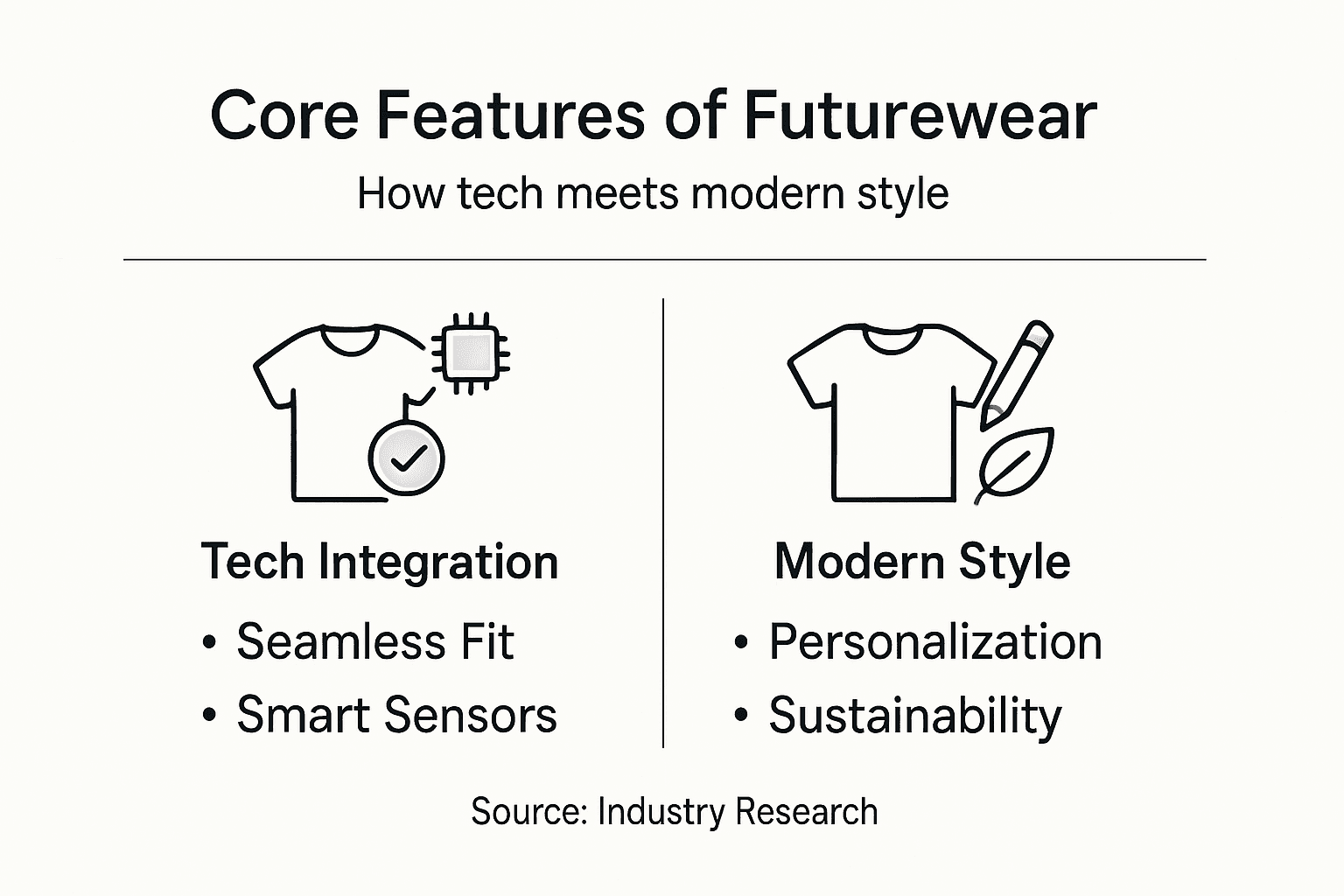
Another critical feature is real-time adaptability. Modern futurewear doesn’t just sit there looking good. Seamless integration of AI and IoT technology enables garments and accessories to respond to your environment and behavior. A smart jacket adjusts insulation as temperatures shift. A tech-infused hoodie organizes compartments based on what devices you typically carry. An intelligent wallet alerts you if you’re leaving it behind. This responsiveness means your futurewear actively works for you throughout your day, learning your patterns and anticipating your needs. It’s the difference between owning an accessory and owning something that genuinely adapts to your lifestyle.
Sustainability represents a core feature that resonates deeply with professionals who care about their environmental footprint. Quality futurewear uses eco-friendly materials that don’t compromise on durability or style. When your accessories last longer and perform better, you buy less frequently, reducing overall consumption. Additionally, immersive technologies reduce waste in fashion design and consumer education, meaning futurewear brands can iterate smarter without creating dead inventory. For you, this means the pieces you choose are backed by thoughtful production practices, not just marketing claims. The tech inside your accessories also means less duplication of items in your wardrobe, since one smart piece often replaces several traditional ones.
Finally, personalization through technology lets futurewear adapt specifically to you. Your security needs differ from your colleague’s. Your organizational priorities differ from your friend’s. Modern futurewear accommodates these individual differences through smart compartmentalization, customizable features, and intelligent organization systems. You get a wallet or bag that works exactly how you work, not how some designer imagined everyone works. This personalization transforms futurewear from generic accessories into extensions of your actual lifestyle and values.
Pro tip: When choosing futurewear pieces, prioritize products that solve your specific pain point first, then evaluate whether the design and materials reflect the quality that justifies the technology investment.
Here is a summary of core futurewear features and their impact:
| Feature | How It Works | Impact for Professionals |
|---|---|---|
| Seamless Integration | Tech hidden within garment design | Maintains professional appearance |
| Real-Time Adaptability | Garment responds to environment | Saves time and enhances comfort |
| Eco-Friendly Materials | Sustainable, durable fabric choices | Reduces waste, long-term value |
| Personalization | Customizable features for user needs | Fits unique workstyles, increases utility |
Popular Real-World Applications and Trends
Futurewear isn’t confined to concept sketches or fashion week runways anymore. Right now, real brands are solving actual problems with these technologies. RFID-blocking wallets and bags represent one of the most successful mainstream applications, protecting your financial data from digital skimming as you navigate crowded transit systems and busy city streets. Tech-enabled jackets with hidden compartments are replacing the need to carry multiple bags. Smart hoodies with organizational systems are cutting down on the time you waste searching for your earbuds or phone charger. These aren’t futuristic pipe dreams. They’re products you can purchase today because they address genuine security and convenience challenges professionals face daily.
The broader trend toward AI-powered customization and sustainability is reshaping how futurewear gets designed and produced. Leading fashion brands globally are adopting digital fashion integration with sustainable materials, reducing waste while allowing consumers to express individuality through personalized designs. Virtual try-ons eliminate the guesswork from online shopping, and digital garments in virtual spaces let you experiment with style before committing to physical pieces. This trend matters for you because it means the accessories and apparel you invest in are becoming smarter about resource consumption. You’re not just buying better products; you’re supporting production methods that actually consider environmental impact.
Another significant real-world application gaining traction is gender-fluid design and inclusive sizing. Futurewear brands are moving away from rigid categories and moving toward pieces that work for everyone. A tech-enabled jacket doesn’t need different versions for different genders. An RFID-blocking bag works regardless of body type or identity expression. This inclusivity trend reflects how futurewear thinking fundamentally differs from traditional fashion: the technology serves the wearer, not fashion industry conventions. For urban professionals who value authenticity and practicality, this shift means you can find pieces that actually align with how you present yourself rather than conforming to arbitrary categories.
The metaverse and digital fashion represent the frontier. Interactive digital garments let you explore identity in virtual spaces while maintaining your physical wardrobe. Some brands now offer pieces designed specifically for photographing and sharing online, blending your physical and digital presence. This trend acknowledges something younger professionals already understand: your style exists across multiple contexts. You’re presenting yourself in video calls, in person at the office, and in online spaces. Futurewear is beginning to address this reality with pieces that work across all these environments.
Pro tip: Start by adopting futurewear applications that address your most immediate security or convenience need, then observe how these pieces perform for 30 days before expanding your collection further.
Risks, Limitations, and Alternative Options
Like any technology, futurewear comes with real trade-offs you should understand before investing. The most significant concern is energy consumption and environmental impact. While futurewear promises to reduce physical overconsumption through smarter design and durability, the manufacturing process itself requires resources. Smart garments with embedded sensors and connectivity features consume power. If not designed thoughtfully, a piece of futurewear could generate more environmental impact than the traditional alternatives it replaces. This is why high energy costs and sustainability challenges represent legitimate barriers to widespread adoption. The irony is painful: technology intended to reduce waste can create new environmental problems if the supply chain and power sources aren’t carefully managed.
Another limitation is consumer resistance and accessibility barriers. Not everyone wants to adopt tech-infused clothing. Some people prefer simplicity. Others worry about privacy implications of wearing connected devices. There’s also the practical barrier of cost. Quality futurewear typically costs more than conventional alternatives because the engineering, materials, and integration require additional investment. For professionals on tight budgets, traditional RFID-blocking wallets or regular organizational bags might represent a more realistic choice than premium tech-enabled versions. Additionally, knowledge gaps and skill deficiencies hinder industry adoption, meaning not all manufacturers can execute futurewear well, limiting quality options available to consumers.
If futurewear feels like overkill for your needs, solid alternatives exist. Modular design and circular economy approaches offer middle-ground solutions. Instead of buying one tech-enabled jacket, you could invest in a versatile base jacket paired with removable, interchangeable components as your needs evolve. This reduces waste and gives you flexibility without committing entirely to integrated smart technology. Quality traditional leather wallets with classic RFID blocking provide security without battery concerns or connectivity risks. Organizational bags made from durable, sustainable materials solve storage problems through thoughtful design rather than digital integration. These alternatives avoid technological dependency while still addressing core security and convenience challenges.
The reality is that futurewear isn’t the solution for everyone. Your decision should depend on your specific situation. Do you genuinely struggle with digital security concerns? Do you need organizational features your current accessories don’t provide? Are you willing to pay premium pricing for integrated technology? If the answers are yes, futurewear makes sense. If you’re drawn to the trend but your actual daily pain points are minimal, traditional quality accessories might serve you better. The best choice is the one that solves your real problems without adding complexity or cost you don’t need.
Pro tip: Before purchasing any futurewear piece, honestly assess whether the technology solves a specific problem you face weekly; if you can’t identify a genuine use case, a simpler alternative will likely satisfy you better and cost less.
Discover Futurewear That Truly Works for You
The article highlights how important it is to find futurewear that blends style, security, and convenience without compromise. If you struggle with digital security worries, need smarter organization for your daily essentials, or want apparel that adapts seamlessly to your lifestyle, these challenges should not hold you back. Today’s futurewear solves real problems like RFID scanning protection and tech-enabled organization while staying sleek and professional. At InvisiTechWear, we understand these needs deeply and offer cutting-edge solutions designed for modern professionals.
Explore our curated collection of Hoodies and innovative accessories that integrate smart technology with everyday style. Whether you want a tech-infused hoodie with hidden compartments or RFID-blocking wallets and bags, you will find pieces that make your life easier without calling attention to the tech.

Take the first step toward upgrading your wardrobe with functional fashion. Visit InvisiTechWear today to browse our full range of products and experience how futurewear can enhance your security, style, and convenience. Don’t wait for tomorrow—embrace the future of fashion now by checking out our Products and discover smart choices that work for your real daily needs.
Frequently Asked Questions
What is futurewear?
Futurewear refers to clothing and accessories that seamlessly blend practical technology with everyday style, aiming to solve real problems without compromising fashion.
How does futurewear differ from traditional wearable technology?
Unlike traditional wearable technology that often looks clunky and feels out of place, futurewear integrates smart features into stylish clothing, making them functional and aesthetically pleasing.
What are the main types of futurewear products?
Futurewear products include smart apparel with embedded technology, tech accessories like RFID-blocking wallets, and hybrid clothing that connects to digital platforms, all designed to address security, convenience, and style needs.
What sustainability practices are associated with futurewear?
Quality futurewear often utilizes eco-friendly materials and promotes durability, aiming to reduce overall consumption. Brands may also implement smart design practices to minimize waste in production and consumption.


