

Choosing what to wear should never feel complicated or restrictive, yet countless professionals struggle with clothes that ignore accessibility and convenience. For those navigating fast-paced city life, adaptive clothing offers more than just easier fastenings—it delivers a streamlined blend of fashion and function for everyone. With features like magnetic closures and sensory-friendly fabrics, adaptive clothing merges style with real-world usability, making daily routines seamless, secure, and effortlessly sharp.
Table of Contents
- Defining Adaptive Clothing And Common Myths
- Types Of Adaptive Clothing And Their Uses
- Key Features And Functional Innovations
- How Adaptive Clothing Empowers Independence
- Challenges And Opportunities In Adaptive Fashion
Key Takeaways
| Point | Details |
|---|---|
| Adaptive Clothing Benefits a Wide Audience | Designed for individuals with disabilities, adaptive clothing also serves anyone seeking convenience and comfort in their daily dressing. |
| Common Myths Debunked | Adaptive clothing is stylish and suitable for all, not just for those with disabilities. Many misconceptions exist regarding its appearance, cost, and exclusivity. |
| Functional Innovations Enhance Independence | Features like magnetic closures and sensory-friendly fabrics empower users by improving self-dressing capabilities and overall quality of life. |
| Market Expansion Potential | The growing demand for adaptive clothing presents opportunities for brands to introduce more inclusive designs, making fashion accessible to diverse needs. |
Defining Adaptive Clothing and Common Myths
Adaptive clothing is designed to meet the needs of people with various disabilities, but here’s the thing: it benefits far more than just those with disabilities. It’s functional fashion that removes friction from everyday dressing. Think of it as the user experience design of clothing—thoughtful, intentional, and focused on solving real problems.
What Adaptive Clothing Actually Is
Adaptive clothing refers to garments engineered with modifications for accessibility and comfort in mind. Rather than one-size-fits-all fashion, adaptive pieces address specific challenges like difficulty with buttons, zippers, and restrictive fabrics. The innovation goes beyond accessibility—it merges function with style.
Key design features include:
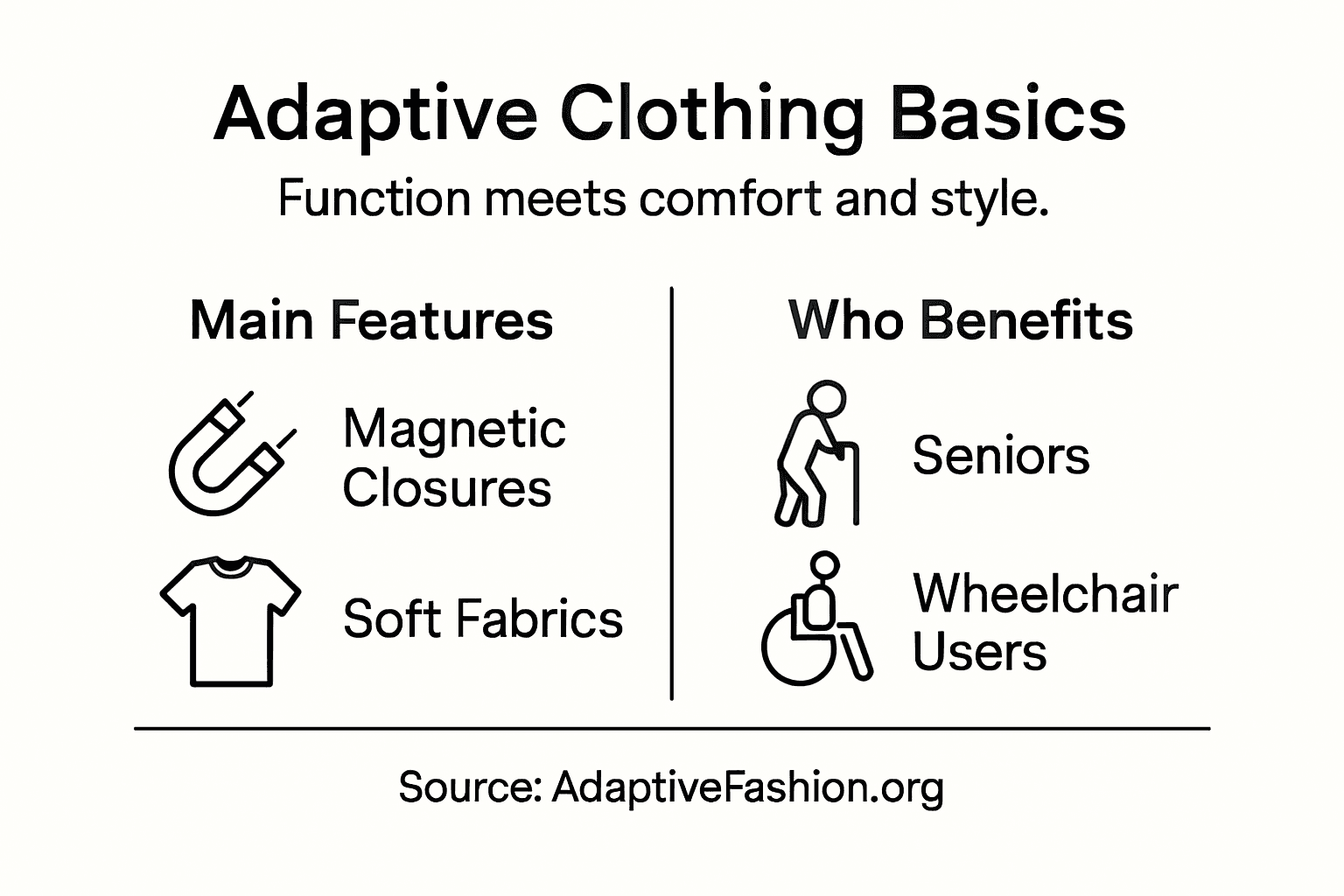
- Magnetic closures replacing traditional buttons for easier fastening
- Breathable natural fibers that reduce sensory irritation
- Flat seams that prevent chafing and discomfort
- Strategic cut patterns accommodating mobility aids or braces
- Wider armholes and flexible waistbands for comfort without sacrificing aesthetics
The goal? Both function and fashion improve quality of life and independence for wearers and caregivers alike.
Here’s how common adaptive clothing features address various needs:
| Feature | Who Benefits Most | Main Advantage |
|---|---|---|
| Magnetic Closures | People with limited dexterity | Faster, frustration-free dressing |
| Flat Seams | Sensory-sensitive individuals | Reduces skin irritation |
| Adjustable Waistbands | Pregnant women, seniors | Fits changing body shapes |
| Side Zippers | Wheelchair users | Eases dressing, quick transfers |
| Tagless Labels | Children, sensory-sensitive | Increases all-day comfort |
Myth 1: Adaptive Clothing Looks Medical
This is the biggest misconception. People imagine clinical, institutional-looking garments. Wrong. Modern adaptive clothing integrates style seamlessly. You can’t tell by looking that a jacket has magnetic closures or that a hoodie features reinforced seams designed for sensory sensitivity.
Tech-forward brands now focus on contemporary design that happens to be adaptive. The technology is invisible to the wearer and observer alike.
Myth 2: It’s Only for People With Disabilities
Actually, adaptive features benefit anyone seeking convenience and security. A busy professional grabbing coffee before a meeting appreciates magnetic closures over fumbling with buttons. Someone concerned about data theft finds RFID-blocking technology valuable. Parents juggling kids and bags need secure pockets and accessible designs.
Adaptive thinking extends to all of us—we all have moments when standard clothing doesn’t serve our needs.
Myth 3: Adaptive Clothing Costs Significantly More
While premium adaptive pieces exist, so do affordable options. The cost depends on the brand, materials, and design complexity—just like any clothing. Smart, minimalist adaptive features don’t necessarily inflate prices. Innovation in apparel design shows that practical functionality and reasonable pricing can coexist.
Myth 4: It’s a Niche Market Only
Adaptive principles are going mainstream. Fashion-forward brands recognize that functional design appeals to everyone. Magnetic closures, strategic pockets, breathable fabrics, and secure fastening systems benefit busy professionals, travelers, parents, and anyone valuing convenience and security.
The market is expanding because the value proposition is clear: clothing that works as hard as you do.
Adaptive clothing proves that accommodation and style aren’t opposing forces—they’re complementary design goals that benefit everyone.
Pro tip: When evaluating adaptive clothing, focus on specific features addressing your actual pain points—whether that’s security (RFID-blocking), convenience (magnetic closures), or comfort (flat seams)—rather than buying purely because something’s labeled “adaptive.”
Types of Adaptive Clothing and Their Uses
Adaptive clothing isn’t a one-size-fits-all category. Different needs require different solutions. Whether someone uses a wheelchair, experiences sensory sensitivities, or manages arthritis, there’s adaptive design tailored for that specific reality. This section breaks down the main categories and what makes each one practical for real life.
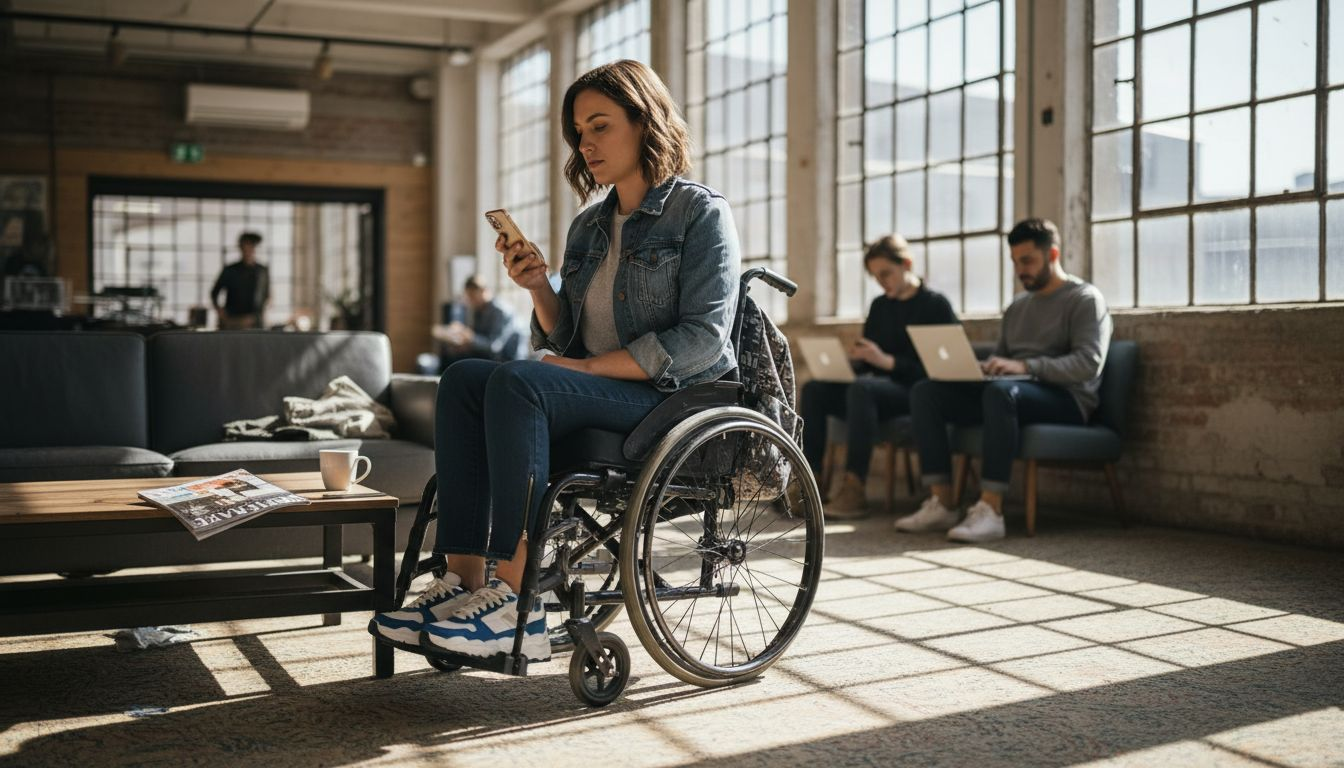
For Wheelchair Users
Wheelchair users face unique clothing challenges. Standard shirts ride up when seated. Pants bunch uncomfortably. Adaptive designs solve this with longer seat coverage and reinforced seams in high-stress areas.
Key features include:
- Extended back length preventing exposure when seated
- Side zippers or splits for easy transfers and catheter access
- Reinforced stitching at pressure points from repetitive movement
- Lightweight, stretchy fabrics allowing full range of motion
These aren’t hospital gowns. Modern adaptive pieces for wheelchair users look like contemporary fashion while solving actual daily problems.
For Sensory Sensitivities
Sensory processing differences affect how clothing feels against skin. Tight tags, rough seams, and certain fabric textures trigger discomfort or distraction. Adaptive clothing addresses this completely.
Sensory-friendly features include:
- Flat seams and tagless labels eliminating irritation points
- Breathable natural fibers like cotton and bamboo reducing static and overheating
- Seamless construction where possible for maximum comfort
- Loose, non-restrictive fits allowing natural movement without triggering stress responses
For professionals managing sensory needs, this means dressing sharp without the constant discomfort of standard clothing. You focus on work, not your waistband.
For Limited Dexterity
Arthritis, Parkinson’s disease, and other conditions affecting hand function make buttons and zippers genuinely difficult. Adaptive designs replace finicky closures with practical alternatives.
Common adaptations include:
- Magnetic closures replacing buttons for effortless fastening
- Velcro strips as alternatives to zippers
- Oversized openings reducing fine motor requirements
- Pull-on designs eliminating closure frustration entirely
These features benefit caregivers too—dressing becomes faster and less stressful for both wearer and helper.
For Age-Related Changes
Older adults often deal with multiple mobility and sensory shifts simultaneously. Adaptive clothing for this demographic balances dignity, function, and style while accommodating changing bodies.
Age-focused adaptations include:
- Easier closure systems accommodating arthritic hands
- Adaptive designs supporting dignity in personal care situations
- Comfortable fits accommodating medical equipment or postural changes
- Machine-washable, durable fabrics simplifying care routines
For Temporary or Acquired Conditions
User-centered design in adaptive apparel means clothing works for temporary needs too—post-surgery recovery, broken bones, or pregnancy. You need functional solutions without buying an entirely new wardrobe.
Temporary adaptive pieces include:
- Button-front shirts for post-shoulder surgery accessibility
- Expandable waistbands for pregnancy or weight fluctuation
- Front-closure bras for post-surgical comfort
- Lightweight layering for temperature regulation during recovery
Adaptive clothing solves real problems for real people—whether those problems are permanent, temporary, or situational.
Pro tip: When shopping for adaptive clothing, prioritize the specific feature addressing your actual challenge rather than buying something labeled “adaptive.” A magnetic closure helps more than a vague “easy-wear” label.
Key Features and Functional Innovations
Adaptive clothing succeeds because of specific design choices backed by real innovation. These aren’t minor tweaks to standard clothing—they’re thoughtful solutions addressing actual barriers to independence. Understanding the key features helps you recognize what separates genuinely functional pieces from clothing just labeled “adaptive.”
Magnetic Closures
Magnetic fasteners replace traditional buttons, zippers, and snaps. For someone with arthritis or limited dexterity, magnets are game-changing. No fumbling, no fine motor control required—just align and click.
Why magnets work:
- Simple, reliable fastening mechanism
- Faster than buttons or zippers
- Works one-handed easily
- Durable and long-lasting
- Aesthetically seamless when designed well
You get the look of traditional closures without the frustration. A busy professional appreciates this for speed alone.
Sensory-Friendly Textiles
Fabric choice matters enormously for sensory sensitivities. Standard materials often trigger discomfort—rough seams, scratchy tags, fabrics that don’t breathe.
Sensory-friendly textiles include:
- Flat seams eliminating pressure points
- Tagless construction removing irritation sources
- Natural, breathable fibers like cotton and bamboo
- Soft finishes reducing static and itchiness
These features benefit anyone—the professional with sensory processing differences, parents of kids with autism spectrum disorder, travelers wanting comfort without distraction.
Adjustable Fits and Tailored Designs
One-size-fits-most doesn’t work when bodies vary in mobility, posture, or medical equipment needs. Adaptive clothing uses adjustable elements accommodating individual differences.
Common adjustability features include:
- Expandable waistbands fitting changing bodies
- Adjustable cuffs accommodating braces or swelling
- Closable side seams allowing easy access
- Strategic fastening points for personalized fit
Wheelchair users need different proportions than standing wearers. Pregnant professionals need different accommodation than standard sizing. Adaptive design recognizes these realities.
Easy Access Features
Functional clothing innovations prioritize ease of dressing and undressing. Side zippers, front closures, and thoughtful openings reduce the time and effort required for self-care.
Access-focused design includes:
- Side zippers for wheelchair users avoiding overhead reaching
- Front closures on traditionally back-closing garments
- Wide armholes facilitating braces or transfers
- Asymmetrical designs accommodating one-sided weakness
These features restore independence. Getting dressed shouldn’t require assistance or creative maneuvering.
Emerging Technologies
Designers continue innovating. Three-dimensional printing enables custom accessories fitting individual needs precisely. Smart fabrics incorporating temperature regulation or moisture-wicking technology add another layer of functionality.
The convergence of technology and fashion means adaptive clothing becomes increasingly invisible—you’re not wearing “adaptive” clothing, you’re wearing clothing that fits your life.
Functional innovations in adaptive clothing transform the simple act of dressing into an expression of independence and confidence.
Pro tip: When evaluating adaptive pieces, prioritize the specific features addressing your needs—magnetic closures, sensory-friendly fabrics, or side zippers—rather than buying based on the “adaptive” label alone.
How Adaptive Clothing Empowers Independence
The real power of adaptive clothing isn’t about the product itself—it’s about what that product enables. Independence. Dignity. Control. For many people, adaptive clothing transforms the simple act of getting dressed from a frustrating dependency into a moment of autonomy. That shift changes everything.
Restoring Control Over Appearance
Clothing is personal expression. What you wear communicates identity. When someone can’t dress themselves without help, they lose control over that expression. Adaptive clothing restores dignity by enabling independent dressing choices.
This matters because:
- You choose your own outfit based on preference, not caregiver availability
- You present yourself to the world exactly as you intend
- You maintain autonomy over something deeply personal
- You eliminate the vulnerability of needing assistance with basic self-care
A professional managing arthritis who can dress themselves independently before work starts their day differently than someone waiting for a caregiver. Confidence follows.
Reducing Caregiver Dependency
Adaptive features simplify dressing tasks dramatically. Magnetic closures replace button-fumbling. Side zippers eliminate overhead reaching. Flexible fabrics move with the body instead of restricting it.
These practical improvements benefit both wearer and caregiver:
- Dressing takes minutes instead of extended time
- Physical strain on caregivers decreases significantly
- Stress and frustration fade for both parties
- Morning routines become smoother and faster
For families managing caregiving responsibilities, this efficiency isn’t trivial—it’s the difference between sustainable support and caregiver burnout.
Boosting Confidence Through Fashion
Adaptive clothing succeeds when it blends style with function seamlessly. You’re not wearing medical-looking garments; you’re wearing contemporary fashion that happens to work better for your body.
This design philosophy matters because:
- Fashion choices feel normal and empowering
- Style builds confidence in social and professional settings
- Adaptive features become invisible to observers
- Wearers see themselves as fashionable, not limited
A young adult using adaptive clothing that reflects current trends feels fundamentally different than someone wearing obviously clinical garments. Self-perception shifts. Confidence follows.
Supporting Broader Life Participation
When dressing becomes manageable, everything else becomes possible. You have energy for work, relationships, and activities. You’re not spending mental and physical resources on basic self-care.
Fashion innovation supporting accessibility means fuller participation in everyday life. Professionals maintain careers. Students focus on education. Parents manage family responsibilities. Independence extends beyond dressing into all life domains.
Emotional Well-Being and Self-Respect
Physical ease matters, but emotional impact runs deeper. Managing your own appearance without assistance preserves dignity in ways subtle yet profound. You control a fundamental aspect of human experience.
This psychological benefit often outweighs the practical convenience. Wearers report increased confidence, reduced anxiety about daily routines, and stronger sense of self-determination.
This overview shows how adaptive fashion influences daily life beyond physical function:
| Empowerment Area | Impact on Daily Living |
|---|---|
| Dressing Independence | Lowers caregiver reliance |
| Emotional Well-Being | Builds self-confidence and dignity |
| Social Participation | Supports active work and social life |
| Caregiver Experience | Reduces time and physical effort |
Adaptive clothing empowers independence by removing barriers between intention and action—you decide how to dress, then dress yourself.
Pro tip: Invest in adaptive pieces addressing your most frustrating daily dressing challenge first—whether that’s closures, mobility restrictions, or sensory sensitivity—rather than buying broadly. One solution you actually use beats ten pieces sitting unused.
Challenges and Opportunities in Adaptive Fashion
Adaptive fashion stands at an inflection point. The market recognizes the need. Consumers demand better options. Yet significant barriers prevent the industry from scaling solutions. Understanding these challenges and opportunities reveals where the adaptive fashion industry is heading—and what needs to change.
The Cost Barrier
Price remains the biggest obstacle to adaptive clothing adoption. Specialized design, smaller production runs, and custom features drive costs higher than standard clothing. Many consumers who need adaptive pieces most can afford them least.
This creates a frustrating paradox:
- Premium pricing limits market reach
- Smaller markets justify higher per-unit costs
- Accessibility suffers as a result
- Inclusivity becomes a luxury good
Breaking this cycle requires volume. Mainstream adoption would normalize adaptive features and reduce manufacturing costs significantly. That’s where opportunity lies.
Limited Market Awareness
Many people don’t know adaptive clothing exists. Awareness gaps restrict adoption dramatically. Without visibility, demand stays low, supply stays limited, and the market stagnates.
Education matters:
- Consumers don’t know what features address their needs
- Retailers lack training on adaptive benefits
- Healthcare providers rarely recommend adaptive options
- Fashion discourse excludes disability perspectives entirely
Flipping this requires intentional marketing, designer education, and visibility in mainstream fashion spaces. The opportunity is enormous—untapped consumers actively seeking solutions.
Research and Design Gaps
Most fashion designers lack disability literacy. They don’t understand how different conditions affect clothing needs. This knowledge gap leads to poorly designed “adaptive” pieces that solve problems nobody actually has.
Real gaps in adaptive fashion include:
- Limited user research on actual preferences
- Insufficient ergonomic focus on comfort and fit
- Underrepresentation of diverse disability experiences
- Missing collaboration between designers and disability communities
Emerging Technology Solutions
Fashion innovation blending technology with style offers real progress. Three-dimensional modeling and digital design tools enable rapid prototyping and customization. Smart fabrics incorporate functional features seamlessly.
Opportunities accelerating growth include:
- 3D design reducing development time significantly
- Digital tools enabling mass customization affordably
- Material innovation creating smarter, more functional fabrics
- Data-driven design based on actual user feedback
These technologies make inclusive design economically viable at scale.
Market Expansion Potential
The adaptive fashion market is tiny compared to total fashion spending. That’s not a limitation—it’s untapped potential. Mainstream brands recognizing this shift are launching adaptive lines. Market research shows strong demand.
Growth drivers include:
- Younger consumers prioritizing inclusivity
- Aging populations with increasing accessibility needs
- Health-conscious professionals seeking functional fashion
- Corporate diversity initiatives supporting inclusive products
Adaptive fashion’s challenges are primarily market barriers, not innovation barriers. Solutions exist—adoption is the next frontier.
Pro tip: Support adaptive fashion brands and advocate for inclusive design in mainstream retail. Consumer demand drives change faster than anything else—vote with your purchasing decisions.
Discover Adaptive Fashion That Works for You
The article highlights how adaptive clothing transforms everyday dressing by focusing on features like magnetic closures, sensory-friendly fabrics, and easy-access designs to empower independence and confidence. If you have ever faced frustration with traditional clothing due to limited dexterity, sensory sensitivity, or simply a need for fuss-free style, you understand how critical innovation in apparel can be. InvisiTechWear bridges this gap by offering tech-enabled clothing that merges style with functionality for real life challenges. Explore our modern collection of Jackets and Hoodies designed with practical features to simplify your dressing routine.
Experience the ease and security of apparel that adapts to your needs while keeping you stylish. Don’t let complicated fasteners or uncomfortable fabrics hold you back. Visit InvisiTechWear now to shop innovative products that combine fashion with smart functionality and take control of your daily dressing with confidence.
Frequently Asked Questions
What is adaptive clothing?
Adaptive clothing refers to garments designed with modifications that enhance accessibility and comfort for individuals with disabilities or specific needs, making dressing easier and more functional.
Who can benefit from adaptive clothing?
While adaptive clothing is designed for people with disabilities, it also benefits anyone seeking convenience, such as busy professionals, parents, and seniors facing mobility challenges.
What are common features of adaptive clothing?
Common features of adaptive clothing include magnetic closures, breathable fabrics, flat seams to prevent irritation, adjustable waistbands, and designs tailored for individuals who use mobility aids.
How does adaptive clothing improve independence for wearers?
Adaptive clothing empowers wearers by allowing them to dress themselves independently, thus restoring control over their appearance and reducing their reliance on caregivers, which leads to increased confidence and dignity.


