

Urban theft is surging. Over 200 phone and bag snatch incidents occur daily in major cities, with year-on-year increases reaching 153%. For tech-savvy professionals navigating crowded streets, traditional security measures fall short. Anti-theft clothing offers a discreet solution, integrating advanced materials and smart technology into everyday apparel without sacrificing style. This guide explains what anti-theft clothing is, how it works, and how to choose pieces that match your urban lifestyle.
Table of Contents
- Understanding Anti-Theft Clothing: What It Is And Why It Matters
- Core Anti-Theft Clothing Technologies And Materials Explained
- Choosing Anti-Theft Clothing: Matching Features To Urban Risks And Lifestyle
- Explore Invisitechwear’s Stylish Anti-Theft Apparel And Accessories
- Frequently Asked Questions About Anti-Theft Clothing
Key takeaways
| Point | Details |
|---|---|
| Anti-theft clothing integrates security features | Garments combine cut-resistant fabrics, RFID blocking, and mechanical deterrents for discreet protection. |
| Rising urban theft drives demand | Police-recorded thefts rose 4.8% in Europe during 2024, making protective apparel increasingly relevant. |
| Guardian design is a 2026 macro-trend | Fashion now prioritizes privacy and security features embedded seamlessly into stylish designs. |
| Technology varies by threat type | Match features like slash resistance or RFID shielding to your specific environment and risk profile. |
| Selection requires personal assessment | Evaluate your daily routes, valuables carried, and style preferences before investing. |
Understanding anti-theft clothing: what it is and why it matters
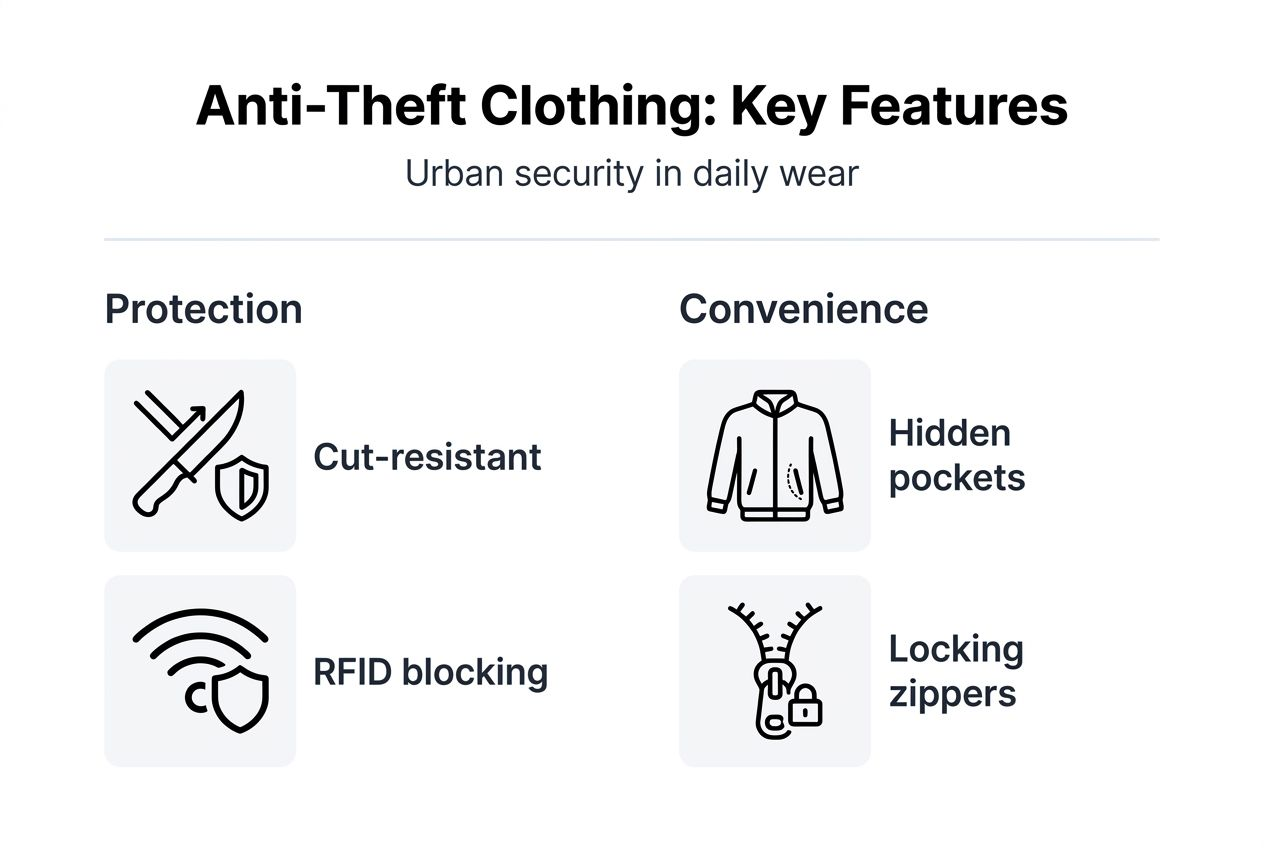
Anti-theft clothing refers to garments engineered with integrated features that prevent theft and protect personal privacy. Unlike traditional security measures you add to your outfit, these pieces build protection directly into fabric construction and design. Think jackets with slash-resistant panels, pants with hidden RFID-blocking pockets, or hoodies featuring lockable zippers.
The need for such innovations stems from escalating urban crime. Police-recorded thefts increased 4.8% across Europe in 2024, with similar patterns emerging in North American metropolitan areas. Traditional bags and pockets offer minimal resistance to determined thieves operating in crowded transit hubs, festivals, or tourist districts.
Guardian design integrating anti-theft features has emerged as a 2026 macro-trend, reflecting consumer demand for garments that combine style with functional protection. Major fashion houses now collaborate with security material manufacturers, creating pieces that look contemporary while offering tangible safety benefits.
For tech-savvy urban professionals, this trend addresses multiple concerns:
- Protection against opportunistic theft in dense environments
- Privacy safeguards for contactless payment cards and ID badges
- Reduced anxiety when carrying expensive devices during commutes
- Discreet security that maintains professional appearance standards
Understanding what anti-theft apparel offers helps you make informed decisions about personal security. These garments don’t replace awareness or common sense, but they add meaningful layers of defense that work passively throughout your day.
The convergence of fashion and security technology creates options previously unavailable to urban dwellers. Wearable tech now balances security with style, making protective clothing accessible without forcing you to sacrifice aesthetic preferences.
Core anti-theft clothing technologies and materials explained
Effective anti-theft clothing relies on several key technologies, each addressing specific threat vectors. Understanding these materials helps you evaluate product claims and select appropriate protection levels.
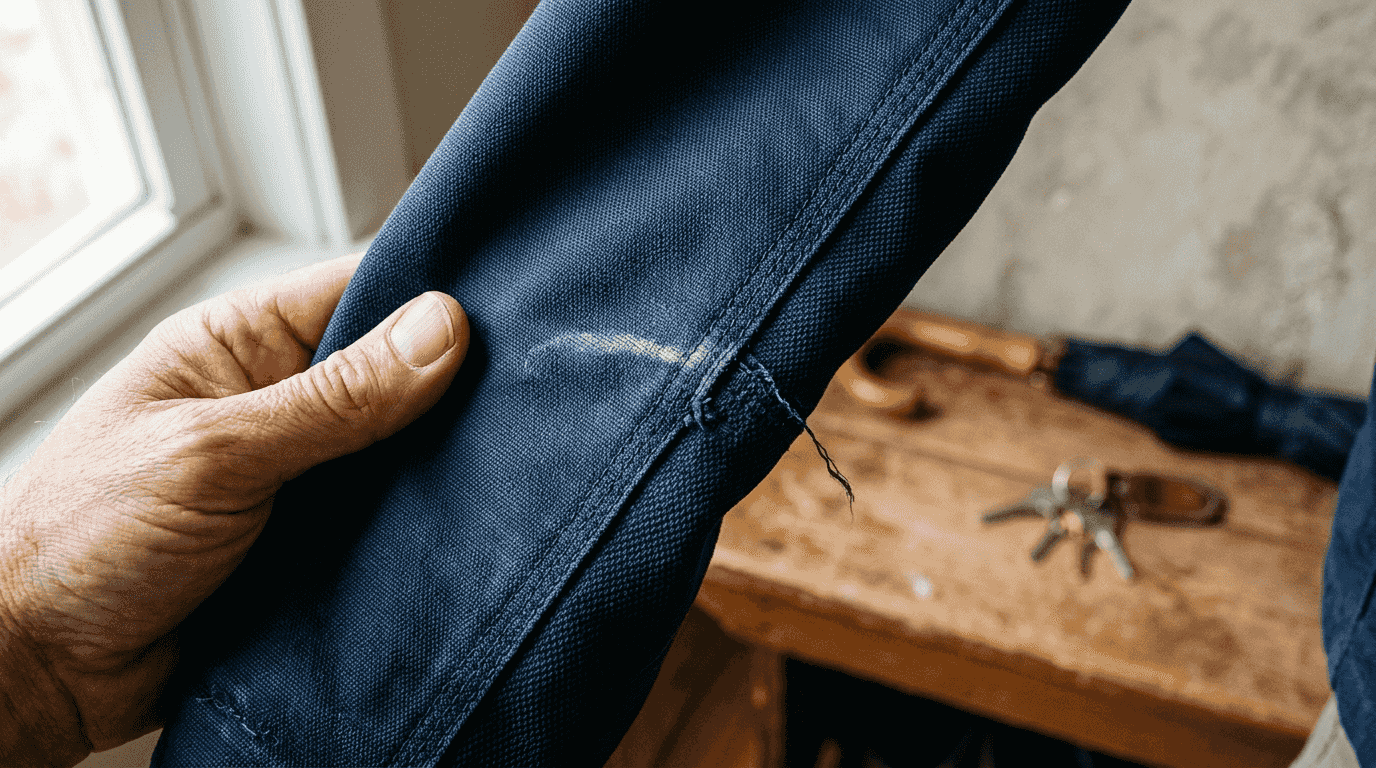
Cut-resistant fabrics form the foundation of physical protection. Materials like Cut-Tex PRO incorporate ultra-high-molecular-weight polyethylene fibers that resist blade slashes and punctures. SlashPRO Long Johns meet EN 388:2016 Level E and ANSI/ISEA 2016 Level A5 standards, offering protection against knife attacks targeting bags or pockets worn close to the body. These fabrics feel similar to conventional textiles but provide significantly higher resistance to cutting forces.
RFID blocking technology addresses digital theft risks. Embedded metallic fibers create a Faraday cage effect, preventing electromagnetic signals from reaching contactless cards stored in pockets or compartments. This stops unauthorized scanning of payment cards, ID badges, and passport chips. However, RFID protection doesn’t prevent physical theft, only unauthorized data capture.
Mechanical deterrents add time and complexity to theft attempts. Locking zippers, reinforced stitching, and concealed pocket placements force thieves to spend additional seconds accessing valuables. Research shows physical security features add 23 to 47 seconds to forced entry attempts on smart backpacks, often discouraging opportunistic criminals who rely on speed.
| Technology | Primary Defense | Limitation | Best Use Case |
|---|---|---|---|
| Cut-resistant fabric | Blade slashes, punctures | Doesn’t prevent grab theft | High-crime transit areas |
| RFID blocking | Digital skimming | No physical protection | Environments with card skimming risk |
| Locking mechanisms | Quick access theft | Can slow legitimate use | Crowded events, tourist zones |
| Smart sensors/alerts | Opportunistic grabs | Requires charged battery | Daily commutes with phone connectivity |
Smart technology integration represents the newest frontier. Some garments incorporate Bluetooth-connected sensors that alert your phone when unusual movement occurs, potentially intercepting snatch-and-run attempts. These systems aren’t foolproof but add another detection layer.
Pro Tip: Combining multiple technologies provides better protection than relying on a single feature. A jacket with both cut-resistant panels and RFID-blocking pockets addresses more threat scenarios than either technology alone.
When evaluating anti-theft clothing, examine fashion security technology basics to understand how these features work together. The most effective garments layer mechanical, material, and technological defenses strategically based on common attack patterns. Following security tips for fashion tech ensures you maximize protection while maintaining everyday usability.
Choosing anti-theft clothing: matching features to urban risks and lifestyle
Selecting appropriate anti-theft clothing requires understanding both your environment and personal risk profile. Different urban settings present distinct threats that demand tailored protection approaches.
Urban theft typically falls into three categories. Snatch-and-run attacks target visible items like phones or bags in crowded spaces. Snatch-and-run incidents represent 62% of urban personal property thefts worldwide. Pickpocketing involves covert pocket access during distraction or in dense crowds. Slash attacks use blades to cut bags or pockets, allowing thieves to extract contents quickly.
Matching clothing features to these threats improves effectiveness:
- Assess your primary environment. Identify where you spend most time: subway platforms, street festivals, business districts, or tourist areas.
- Catalog valuables you regularly carry. List phones, wallets, cards, keys, and work devices that need protection.
- Evaluate your risk tolerance. Determine whether you prioritize maximum security or balanced protection with minimal lifestyle impact.
- Review style requirements. Consider professional dress codes, personal aesthetic preferences, and seasonal weather needs.
- Test technology features before relying on them. Verify Bluetooth alerts, RFID blocking, and locking mechanisms function as advertised in realistic conditions.
| Risk Scenario | Recommended Features | Product Type | Priority Level |
|---|---|---|---|
| Daily subway commute | Locking zippers, interior pockets | Jacket, hoodie | High |
| International travel | RFID blocking, cut-resistant straps | Crossbody bag, travel pants | High |
| Outdoor festivals | Smart alerts, visible deterrents | Backpack, vest | Medium |
| Business district walking | Discrete pockets, professional appearance | Blazer, dress pants | Medium |
RFID blocking provides essential protection in card-skimming hotspots but doesn’t prevent physical theft. RFID technology must match environment and threat type to deliver value. If your daily routine involves minimal contactless payment use, mechanical deterrents may offer better practical benefit.
Style integration matters for consistent use. Anti-theft clothing you find uncomfortable or unfashionable will sit unused in your closet. Modern designs from brands focused on top urban fashion accessories prove security and style aren’t mutually exclusive.
Pro Tip: Start with one versatile piece like an anti-theft jacket or crossbody bag before investing in a complete wardrobe. This allows you to evaluate real-world performance and comfort before committing to multiple items.
Exploring wearable technology examples shows how different features perform across various urban scenarios. The right combination depends on your unique daily patterns, not generic recommendations.
Explore invisitechwear’s stylish anti-theft apparel and accessories
Now that you understand anti-theft clothing technologies and selection criteria, exploring practical solutions becomes the natural next step. Invisitechwear specializes in fashion-forward security apparel designed specifically for tech-savvy urban professionals who refuse to compromise on style.

The brand’s RFID-blocking wallets and bags collection features cutting-edge materials that shield your contactless cards from unauthorized scanning while maintaining sleek, minimalist aesthetics. Products like the slim RFID blocking men’s wallet combine card protection with modern design, fitting seamlessly into professional and casual settings.
For comprehensive device security, the RFID shielding blocking pouch case provides Faraday cage protection for phones, car keys, and ID cards. This addresses both digital theft and unauthorized tracking, offering peace of mind during travel or in high-risk environments. Each piece integrates advanced security features without broadcasting protective technology, maintaining the discrete profile urban professionals prefer.
Frequently asked questions about anti-theft clothing
What types of anti-theft features are most effective in busy urban environments?
Locking zippers and interior pockets provide the strongest defense against opportunistic pickpocketing in crowded transit or events. Cut-resistant panels protect against slash attacks in high-crime areas. RFID blocking matters most in locations with documented card skimming activity. Combining multiple features addresses broader threat scenarios than single-technology solutions.
How often should I test or update the tech components in anti-theft clothing?
Test Bluetooth-connected sensors and smart alerts monthly to verify battery life and connectivity function properly. RFID blocking effectiveness degrades if metallic fibers break down, so inspect pouches and pockets annually for wear. Replace items showing visible damage to security features, as compromised materials offer reduced protection.
Can anti-theft clothing fully replace the need for additional security measures?
Anti-theft clothing supplements awareness and defensive habits but doesn’t eliminate all risks. No garment prevents determined, violent theft attempts. These pieces work best as one layer in a comprehensive security approach that includes situational awareness, route planning, and minimal valuable display. They significantly reduce opportunistic theft success rates.
Are these garments comfortable and suitable for everyday wear in a tech-savvy lifestyle?
Modern anti-theft clothing uses lightweight, breathable materials that feel similar to conventional fabrics. Cut-resistant fibers and RFID blocking layers add minimal bulk when properly designed. Quality pieces from reputable manufacturers prioritize comfort alongside security, making them practical for daily professional and casual wear without performance compromises.
How does RFID blocking in clothing protect my data from digital theft?
RFID blocking materials create electromagnetic shielding that prevents radio frequency signals from reaching contactless cards in protected pockets. This stops thieves using portable scanners from capturing card numbers, expiration dates, and security codes as you walk past. However, it doesn’t protect against stolen physical cards or online fraud. Review the fashion tech checklist 2026 for comprehensive digital security practices.


