

Finding accessories that deliver both cutting-edge security and effortless style feels like searching for a needle in a haystack. You want gear that protects your data, tracks your valuables, and looks sharp doing it. The market overflows with options, from RFID-blocking wallets to smart clothing embedded with sensors, making it tough to know where to start. This guide breaks down the essential types of tech accessories that marry fashion with function, helping you choose pieces that elevate your security without sacrificing your aesthetic.
Table of Contents
- Key takeaways
- How to evaluate tech accessories: criteria for style, security, and convenience
- Smart wallets: blending RFID blocking and tracker compatibility with style
- Smart clothing and wearables: stylish health monitoring with tech integration
- Anti-theft tech bags and hardware security keys: advanced protection on the move
- Comparison of tech accessory types and situational recommendations
- Explore stylish RFID-blocking wallets and bags at InvisiTechWear
- Frequently asked questions
Key Takeaways
| Point | Details |
|---|---|
| RFID blocking and tracking | Smart wallets combine high frequency RFID shielding with tracker compatibility to protect cards and help locate a misplaced wallet. |
| Tracker compatibility matters | Choosing a smart wallet involves weighing built in trackers versus AirTag compatibility to balance bulk, battery life, and Find My network benefits. |
| Premium materials style | Material quality such as premium leather or carbon fiber signals sophistication while housing robust security features. |
| RFID blocking certification | Look for products tested against frequencies from 100kHz to 4GHz and certified to standards to ensure real protection. |
| Security usability balance | The best accessories harmonize strong protection with battery life practicality and everyday ease of use. |
How to evaluate tech accessories: criteria for style, security, and convenience
Before diving into specific product categories, you need a framework for comparison. Start with core features like RFID blocking using advanced materials like CRYPTALLOY for high-frequency shielding certified to strict standards, tracker compatibility, material quality, battery life, and usability. Each feature involves tradeoffs. Heavier security often means bulkier designs, while sleek minimalism might sacrifice some protective layers. The sweet spot lies in accessories that balance these elements without compromising your personal style.
Material quality matters enormously for fashion-conscious buyers. Premium leather, carbon fiber, and minimalist silhouettes signal sophistication while housing robust tech. Certification standards for RFID blocking provide assurance that your accessory actually works, not just claims to. Look for products tested against frequencies from 100kHz to 4GHz. Privacy concerns creep into smart wearables, where third-party data sharing and communication vulnerabilities create new attack surfaces. Understanding these risks helps you make informed choices about which conveniences justify the exposure.
Pro Tip: Pair RFID-blocking accessories with tracker integration for holistic security that covers both wireless theft and physical loss.
Key evaluation criteria include:
- Security effectiveness measured by blocking frequency range and certification
- Style compatibility with your wardrobe and aesthetic preferences
- Convenience factors like battery life, charging method, and daily usability
- Material durability and premium finish quality
- Tech complexity balanced against user-friendliness
When choosing RFID-blocking accessories, consider how each criterion aligns with your lifestyle. A minimalist wallet might excel in style but offer limited card capacity. A feature-rich smart bag could provide maximum security while adding weight you carry daily. Use this fashion tech checklist to systematically evaluate options against your priorities.
Smart wallets: blending RFID blocking and tracker compatibility with style
Smart wallets represent the intersection of security technology and everyday carry aesthetics. These accessories use CRYPTALLOY foil to block RFID signals from 100kHz to 4GHz and accommodate 12 cards with AirTag compatibility, protecting your credit cards from wireless skimming while helping you locate a misplaced wallet. The RFID blocking layer creates a Faraday cage around your cards, preventing unauthorized readers from accessing your information. This protection extends across multiple frequency bands, covering everything from building access cards to contactless payment systems.
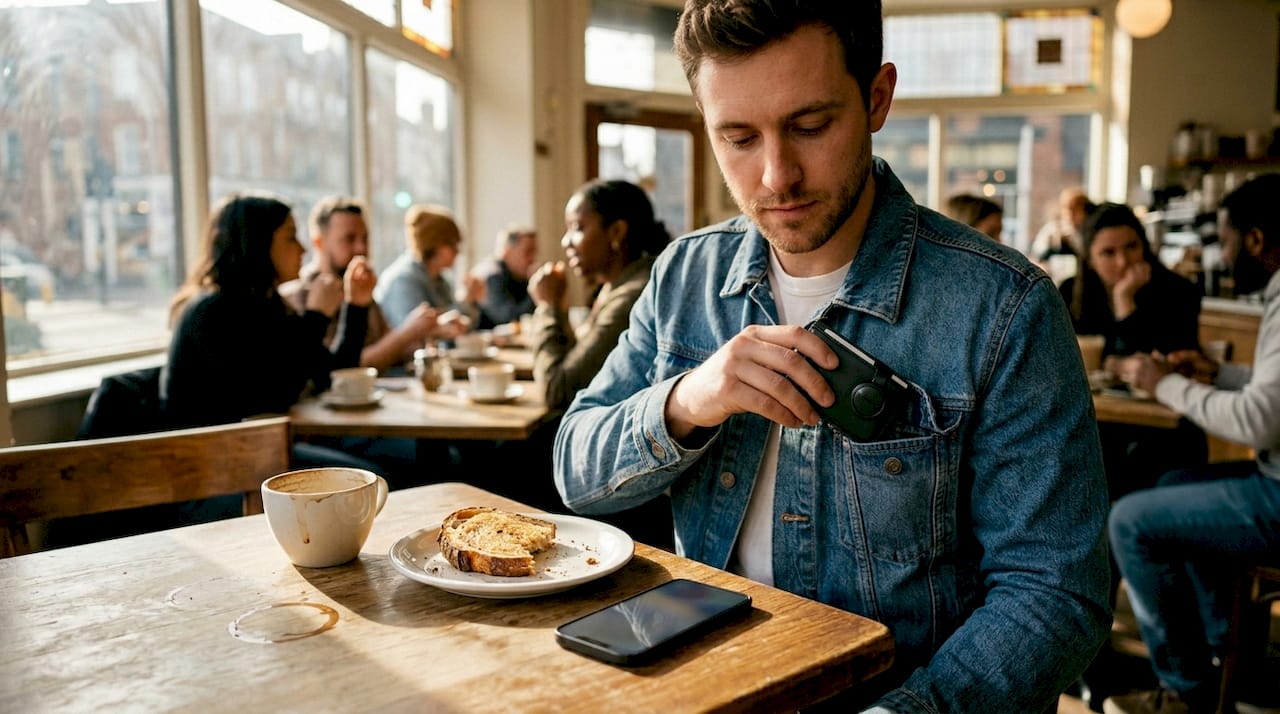
Tracker integration separates good smart wallets from great ones. Built-in trackers add bulk and require charging, while AirTag-compatible designs let you slip in Apple’s tracker for superior accuracy and battery life. This modular approach keeps your wallet slim while leveraging the massive Find My network. However, RFID blocking stops wireless theft but pairing with trackers like AirTag improves physical security, addressing both digital and physical vulnerability vectors.
Key smart wallet features to prioritize:
- Card capacity ranging from 6 to 12 cards without excessive thickness
- Premium materials like Italian leather or carbon fiber for durability and style
- Slim profile maintaining pocket-friendly dimensions under 0.5 inches thick
- RFID certification covering high-frequency bands up to 4GHz
- Tracker pocket or slot designed for AirTag or Tile integration
Pro Tip: Choose wallets that balance slim aesthetics with maximum security features by opting for modular tracker compatibility instead of built-in electronics.
The top RFID-blocking wallets comparison reveals significant variation in blocking effectiveness and style execution. Some wallets prioritize minimalism with limited card slots, while others accommodate full bifold layouts with bill compartments. Understanding why choose RFID wallets helps you weigh the security benefits against any design compromises. The best options deliver certified protection without looking like tactical gear, blending seamlessly into your everyday aesthetic.
Smart clothing and wearables: stylish health monitoring with tech integration
Smart clothing transforms fashion into a health monitoring platform. The smart clothing market reached $5.3B in 2026 with 26.2% CAGR, featuring sensors for heart rate, motion, and temperature, with wearable batteries lasting 7 to 14 days. These garments embed conductive fibers and miniature sensors directly into fabric, measuring biometrics without the bulk of traditional fitness trackers. You get continuous health data while wearing pieces that look like regular athletic wear or casual clothing.
Sensor types vary by garment purpose. Heart rate monitors use optical or electrical sensors woven into chest bands or shirt fabric. Motion tracking relies on accelerometers and gyroscopes embedded at strategic points. Temperature sensors help optimize performance during workouts or monitor health conditions. The fashion appeal comes from designers who prioritize aesthetics alongside functionality, creating pieces you’d wear even without the tech. Battery life typically spans one to two weeks depending on sensor density and transmission frequency, with most garments using wireless charging pads for convenient power-ups.
However, privacy risks in smart wearables include high third-party data sharing and emerging sophisticated attacks that target the communication channels between garments and companion apps. Your health data becomes valuable to advertisers, insurers, and malicious actors. Understanding these vulnerabilities helps you choose brands with strong privacy policies and encrypted data transmission.
Privacy and security considerations for smart wearables:
- Third-party data sharing practices disclosed in privacy policies
- Encryption standards for data transmission between garment and app
- Attack vectors targeting Bluetooth and WiFi communications
- Data retention policies and deletion capabilities
- Consent mechanisms for sharing health metrics with partners
Exploring types of smart clothing reveals options from performance athletic wear to casual everyday pieces. The key is matching sensor capabilities with your actual needs. If you only care about step counting, a full biometric shirt might be overkill. For serious fitness tracking or health monitoring, comprehensive sensor arrays justify the investment and privacy tradeoffs.
Anti-theft tech bags and hardware security keys: advanced protection on the move
Anti-theft bags take security beyond your wallet to protect everything you carry. These accessories use slash-proof fabric and RFID compartments protecting laptops and valuables, deterring real-world theft through cut-resistant materials, locking zippers, and hidden pockets. The slash-proof construction uses stainless steel mesh embedded in fabric, preventing thieves from slicing open your bag to grab contents. RFID-blocking pockets create safe zones for passports and cards, while laptop compartments accommodate devices up to 15 inches with padded protection.
Hardware security keys provide a different layer of protection for your digital life. These compact, stylish MFA devices use USB-A/C and NFC with a 5.0 rating, offering phishing-resistant authentication for your most sensitive accounts. Unlike SMS codes or authenticator apps, hardware keys require physical possession, making remote attacks virtually impossible. Modern designs come in sleek form factors that attach to keychains or slip into card slots, with support for multiple authentication protocols including FIDO2 and WebAuthn.
| Feature | Anti-Theft Bags | Hardware Security Keys |
|---|---|---|
| Primary protection | Physical theft deterrence | Account authentication |
| Key technology | Slash-proof mesh, RFID pockets | FIDO2, NFC, USB protocols |
| Style factor | Urban tactical to minimalist designs | Compact keychain or card formats |
| Convenience | Organized compartments, locking zippers | One-touch authentication |
| Price range | $80 to $200 | $25 to $70 |
Pros and cons of each accessory type:
- Anti-theft bags excel at protecting multiple items but add weight and bulk to your carry
- Hardware keys provide unbeatable account security but require carrying an extra device
- Bags offer visible deterrence while keys work invisibly in the background
- Tech bags accommodate laptops and gear while security keys protect digital assets
Pro Tip: Combine anti-theft bags with hardware security keys for layered security that protects both physical possessions and digital accounts when traveling or commuting.
Security experts consistently recommend hardware keys for high-value accounts. As one authentication specialist notes, “Hardware security keys represent the gold standard for multi-factor authentication, offering protection that SMS and app-based methods simply cannot match.” Understanding RFID protection basics helps you appreciate how these technologies work together to create comprehensive security coverage.
Comparison of tech accessory types and situational recommendations
Choosing the right tech accessory depends on your specific security needs, style preferences, and daily routines. This comparison helps you match accessories to situations.
| Accessory Type | Best For | Style Options | Security Level | Battery Needs |
|---|---|---|---|---|
| Smart Wallets | Daily carry, card protection | Leather, carbon fiber, minimalist | High (RFID + tracking) | Tracker only |
| Smart Clothing | Fitness tracking, health monitoring | Athletic, casual wear | Medium (data privacy) | 7 to 14 days |
| Anti-Theft Bags | Travel, commuting, laptop carry | Urban, tactical, minimalist | High (physical security) | None |
| Hardware Keys | Account protection, MFA | Keychain, card format | Very high (authentication) | None |
Situational recommendations based on lifestyle patterns:
- Frequent travelers benefit most from anti-theft bags with RFID pockets and hardware keys for hotel WiFi security
- Urban commuters need smart wallets with tracker integration and anti-theft crossbody bags
- Fitness enthusiasts prioritize smart clothing with health sensors over security-focused accessories
- Remote workers require hardware keys for account security but may skip anti-theft bags
- Fashion-forward professionals want leather smart wallets and minimalist security keys that complement business attire
Tracker integration deserves special attention. AirTag trackers outperform built-in trackers in accuracy, while smart wallet RFID blocking is limited to preventing wireless theft, making the pairing of both technologies the optimal approach. Built-in trackers add weight, require charging, and often use proprietary networks with limited coverage. AirTags leverage Apple’s massive Find My network, providing superior location accuracy and longer battery life from replaceable coin cells.
Pairing recommendations for maximum effectiveness:
- Smart wallet with AirTag plus hardware security key for comprehensive personal security
- Anti-theft bag with RFID pockets plus smart wallet for layered protection while traveling
- Smart clothing for health data plus hardware key for protecting fitness app accounts
- Minimalist smart wallet plus card-format security key for ultra-light everyday carry
The RFID-blocking accessories comparison provides detailed analysis of specific products across these categories, helping you narrow choices based on verified performance data rather than marketing claims.
Explore stylish RFID-blocking wallets and bags at InvisiTechWear
Now that you understand how to evaluate tech accessories, it’s time to find pieces that match your style and security needs. InvisiTechWear specializes in fashion-forward accessories that don’t compromise on protection. Our curated collection features premium RFID-blocking wallets crafted from genuine leather and modern materials, designed for the tech-savvy individual who refuses to choose between security and aesthetics.
Our men’s slim pop-up wallet combines minimalist design with certified RFID protection, holding up to 12 cards in a profile slim enough for front-pocket carry. The entire RFID-blocking wallets and bags collection showcases accessories that integrate seamlessly into your daily routine while delivering enterprise-grade security. For comprehensive device protection, the RFID shielding blocking pouch creates a Faraday cage for phones, key fobs, and cards, perfect for travel or high-security situations. Each piece reflects our commitment to merging innovation with style, giving you confidence that your valuables stay protected without sacrificing your aesthetic.
Frequently asked questions
What materials provide the best RFID blocking in tech accessories?
CRYPTALLOY and Multishield Faraday materials deliver superior RFID blocking by creating electromagnetic barriers that prevent signals from 100kHz to 4GHz from penetrating. CRYPTALLOY uses a specialized metal alloy that blocks high-frequency RFID and NFC communications while remaining thin and flexible enough for wallet construction. Multishield Faraday fabric combines multiple conductive layers, offering redundant protection against various attack frequencies. For maximum effectiveness, look for accessories with certified blocking tested against military or commercial security standards. Materials that combine RFID technology with durability like leather-wrapped CRYPTALLOY provide both protection and longevity.
How do smart wallets improve security compared to traditional wallets?
Smart wallets prevent wireless theft through RFID blocking that stops unauthorized readers from accessing your card data remotely. Traditional wallets offer zero protection against RFID skimming, leaving contactless cards vulnerable to digital pickpocketing. Tracker compatibility in smart wallets adds a second security layer by helping you locate a lost or stolen wallet through GPS networks, something impossible with conventional designs. The combination addresses both digital theft attempts and physical loss scenarios. Understanding the advantages of RFID wallets reveals how this dual protection significantly reduces your vulnerability to modern theft methods.
Are there privacy risks with smart wearables?
Yes, smart wearables commonly share health data with third-party partners for analytics, advertising, and research purposes. Many devices transmit biometric information through Bluetooth or WiFi connections that sophisticated attackers can intercept or manipulate. Emerging attack vectors target the communication protocols between wearables and companion apps, potentially exposing sensitive health metrics or enabling device spoofing. Always review privacy policies before purchasing, prioritize brands offering end-to-end encryption, and disable unnecessary data sharing features. Learning about smart clothing privacy helps you make informed decisions about which conveniences justify the data exposure risks.
What makes hardware security keys a good choice for MFA?
Hardware security keys provide phishing-resistant multi-factor authentication that cannot be intercepted remotely like SMS codes or duplicated like authenticator apps. They require physical possession for account access, eliminating the vulnerability of code-based systems to social engineering or man-in-the-middle attacks. Modern keys support USB-A, USB-C, and NFC connections in compact, often stylish form factors that attach to keychains or fit in card slots. The FIDO2 and WebAuthn protocols they use represent the most secure authentication standards available to consumers. Exploring MFA and security keys demonstrates why security professionals consider them essential for protecting high-value accounts.


