

Think security accessories have to look like tactical gear? Think again. The fastest growing segment of personal security tech in 2026 is fashion forward accessories that pack serious protection into sleek designs. Tech-savvy professionals no longer choose between style and safety, as smart accessories now deliver both seamlessly. This guide shows you how fashion enhances personal security while keeping you looking sharp.
Table of Contents
- Introduction To Fashion-Enabled Personal Security
- Understanding Rfid Technology In Fashion Accessories
- Wearable Panic Buttons And Emergency Alert Devices
- Integration Of Ai In Wearable Security Fashion
- Security Risks And Privacy Concerns In Wearable Tech
- Stylish Design Trends In Security-Focused Fashion Accessories
- Common Misconceptions About Fashion And Security Technology
- Practical Guide To Choosing Secure And Stylish Fashion Accessories
- Explore Stylish Tech Wearables That Protect You In 2026
Key takeaways
| Point | Details |
|---|---|
| Fashion tech enhances security without sacrificing style | Modern accessories integrate RFID blocking, panic buttons, and AI features into elegant designs |
| RFID blocking prevents wireless identity theft effectively | Metal-layered shields in wallets and bags stop unauthorized wireless data scans |
| Wearable panic buttons offer discreet emergency alerts | Jewelry and keychains send GPS-tracked alerts to trusted contacts instantly |
| AI integration brings smart, real-time safety features | Voice-activated alerts and fall detection add intelligent protection layers |
| Choosing accessories requires balancing security with aesthetics | Verify certifications, privacy policies, and design appeal before purchasing |
Introduction to fashion-enabled personal security
The line between fashion and technology disappeared when designers realized security features could enhance style instead of compromising it. Young professionals want accessories that protect their identities and safety while complementing their wardrobes. The global wearable technology market is expected to reach USD 229.97 billion by 2033, largely driven by health, security, and convenience features embedded in fashion.
This explosive growth stems from a simple truth: you shouldn’t have to choose between looking good and staying safe. The fashion tech integration revolution combines three critical security layers into everyday accessories.
The Secure Style Integration Framework explains how modern accessories work:
- Physical security: RFID-blocking materials prevent wireless data theft from cards and IDs
- Emergency response: Panic buttons and GPS tracking enable instant help requests
- Digital intelligence: AI-powered features provide context-aware safety alerts and monitoring
Each layer operates independently but works together to create comprehensive protection. A single wallet might block RFID signals while connecting to your phone for location tracking. These multifunctional accessories prove that security and style enhance each other when properly designed.
Understanding RFID technology in fashion accessories
RFID (Radio Frequency Identification) transmits data wirelessly from your credit cards, passports, and ID badges. Criminals use RFID readers to steal this information without touching your belongings, a practice called skimming. Your card details can be captured through purses, pockets, and bags from several feet away.
RFID-blocking wallets and bags protect users by preventing wireless skimming of credit cards and IDs, reducing identity theft risks. The protection works through metal-lined layers that create a Faraday cage effect, blocking electromagnetic signals completely.
Modern fashion brands integrate this shielding technology without adding bulk. Thin metallic fabrics and carbon fiber weaves maintain sleek profiles while delivering full protection. The RFID security features available today use materials lighter than traditional leather but stronger than steel.
| Feature | Traditional Wallet | RFID-Blocking Wallet |
|---|---|---|
| Data protection | Vulnerable to wireless skimming | Blocks all RFID signals |
| Thickness | Standard leather profile | Same or thinner with tech materials |
| Style options | Classic designs only | Modern minimalist to classic styles |
| Price range | $20 to $100 | $30 to $150 |
| Maintenance | Regular leather care | Low maintenance, durable materials |
Pro Tip: Choose accessories certified for RFID protection and verify the blocking frequency range covers 13.56 MHz (credit cards) and 125 kHz (ID badges). Test your wallet by trying to scan a card through it.
The RFID-blocking accessories comparison shows how different products balance protection levels with design preferences. Premium options often include additional features like GPS tracking or biometric locks.
Wearable panic buttons and emergency alert devices
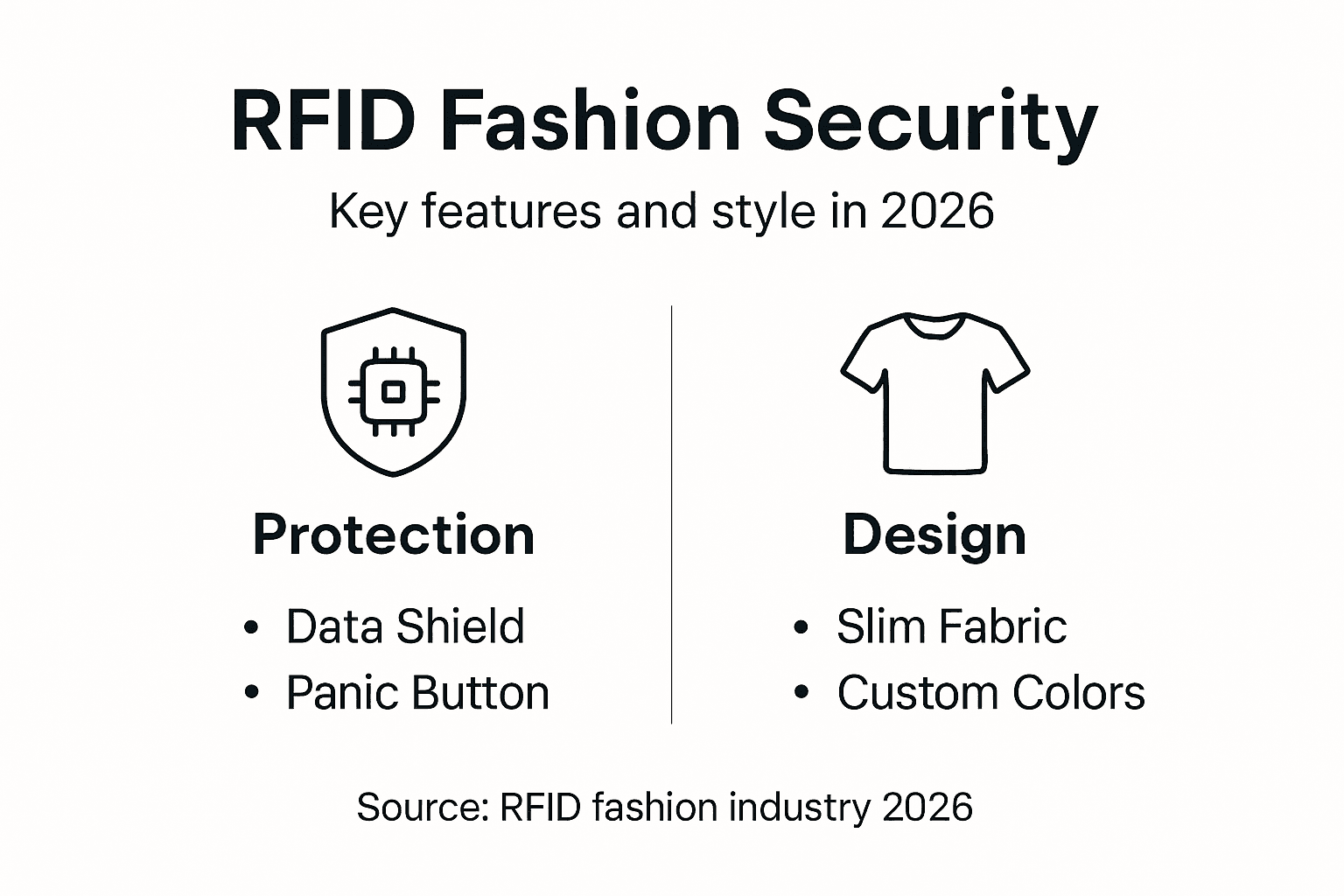
Panic buttons transformed from obvious devices into fashionable accessories you’d wear anyway. These smart wearables detect emergencies and send immediate alerts to your chosen contacts or emergency services. Modern devices integrate GPS tracking and app connectivity into jewelry, keychains, and watches that match your style.
The benefits stack up quickly. Discreetness means you can trigger alerts without attracting attention from potential threats. Quick response times get help moving toward you within seconds. Style compatibility ensures you actually wear the device instead of leaving it at home.
How to use wearable panic button technology effectively:
- Set up your emergency contacts and customize alert preferences during initial device pairing
- Wear your device consistently so it becomes part of your daily routine
- Practice triggering alerts in safe situations to build muscle memory
- Keep your connected smartphone charged and within Bluetooth range
- Update your emergency contact list quarterly as relationships and phone numbers change
The benefits of wearable panic buttons extend beyond emergency situations. Many devices include wellness features like step tracking or medication reminders, making them useful daily tools. This dual functionality increases the likelihood you’ll actually wear the device when you need it most.
Pro Tip: Regularly test your wearable alert device monthly and update emergency contacts after major life changes like moves or job transitions. Set a recurring calendar reminder to keep protection current.
Integration of AI in wearable security fashion
AI transforms passive security devices into active safety partners. Wearable AI provides real-time context-aware assistance like voice-activated emergency alerts, enhancing personal security through intelligent decision making. These systems learn your routines and detect anomalies that might indicate danger.
Real-world applications already help thousands of users daily. Automatic fall detection triggers alerts when accelerometers sense sudden impacts followed by stillness. Smart location sharing activates only when you enter pre-defined unsafe zones or deviate from expected routes. Voice-activated emergency calls work even when you can’t reach your phone.
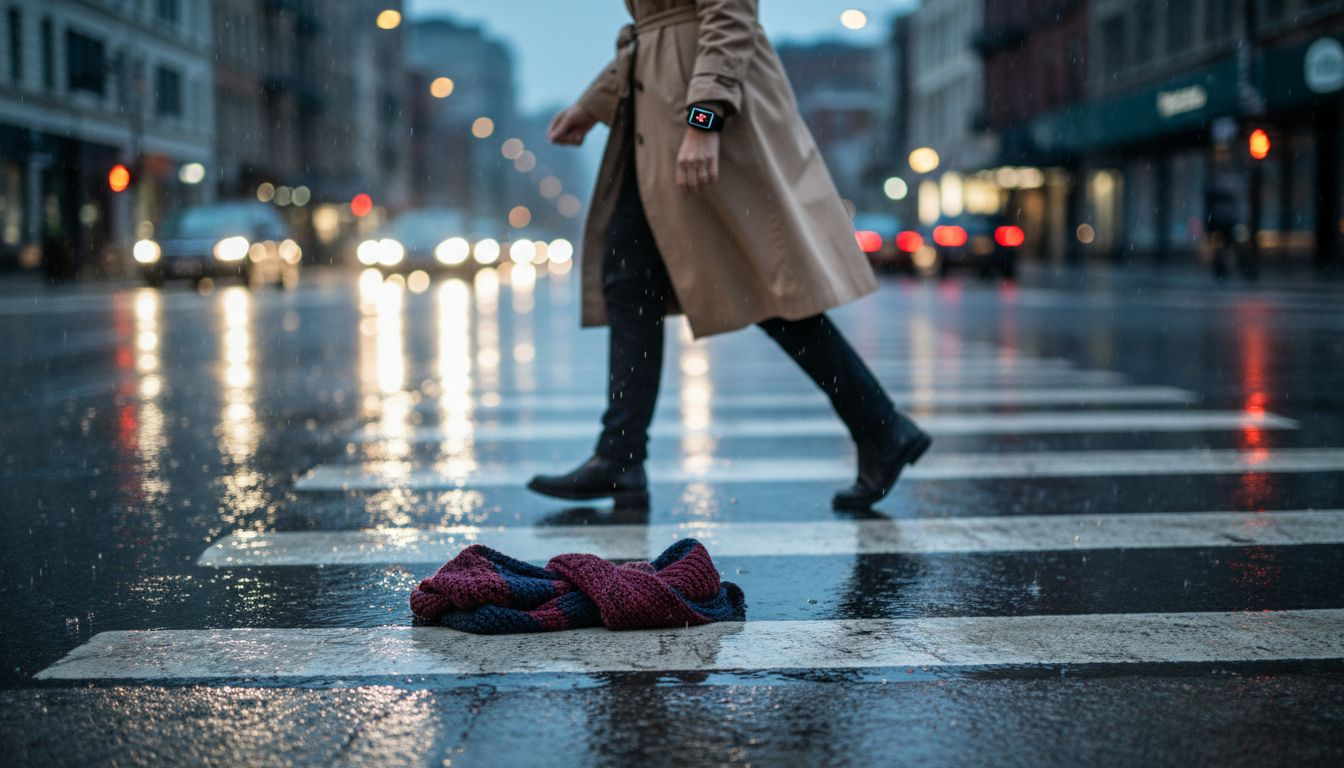
Privacy risks accompany these benefits because AI requires data to function. Constant monitoring creates detailed behavioral profiles that could be misused if security measures fail. Strong encryption, local processing options, and transparent data policies separate responsible manufacturers from risky ones.
Ethical AI use in fashion tech demands user control over data collection and sharing. You should understand exactly what information devices collect, how long companies store it, and who can access it. The AI in wearable security landscape rewards brands that prioritize transparency.
AI features boosting security and convenience:
- Voice-activated emergency calling hands-free when physical interaction is impossible
- Predictive route safety scoring based on crime data and time of day
- Behavioral anomaly detection identifying unusual patterns suggesting duress
- Automated check-in systems alerting contacts if you don’t confirm safety
- Smart home integration arming security systems based on your location
Security risks and privacy concerns in wearable tech
Wearable devices’ constant data collection and cloud connectivity can expose sensitive health, location, and behavioral data if unencrypted. Every data point transmitted becomes a potential vulnerability. Hackers target these devices specifically because users trust them with intimate details.
Cloud storage of personal data requires end-to-end encryption to prevent breaches during transmission and storage. Companies that cut corners on security put your information at risk. You should verify privacy policies before purchasing any wearable accessory, looking specifically for encryption standards and data retention policies.
Best practices for protecting your privacy:
- Create strong, unique passwords for each wearable device and companion app
- Minimize data sharing by disabling unnecessary features and permissions
- Review app permissions quarterly and revoke access to unused functions
- Enable two-factor authentication on all accounts linked to wearables
- Research manufacturer security track records before purchasing devices
Awareness of trade-offs between convenience and data security helps you make informed choices. Some features require cloud processing that increases vulnerability. Others work locally on your device with minimal risk. Understanding these differences empowers better decision making.
The privacy concerns in wearable tech landscape constantly evolves as new threats emerge. Staying informed about current vulnerabilities helps you adjust settings and practices accordingly. Regular security audits of your connected devices identify potential weak points before problems occur.
Manufacturers committed to data protection in wearables publish clear privacy policies, offer local processing options, and provide regular security updates. These signals indicate brands worth trusting with your personal information.
Stylish design trends in security-focused fashion accessories
Metal accessories dominate 2026 fashion while adding natural security benefits. Fashion brands in 2026 emphasize sustainable, tech-enhanced metal accessories incorporating laser engraving and secure fasteners to blend security with style. Metals like titanium and aerospace aluminum offer durability that protects embedded electronics while looking sophisticated.
Current trends favor sustainable materials and customizable features. Laser engraving allows personalization without compromising structural integrity. Modular designs let you swap components as technology updates without replacing entire accessories. These approaches reduce waste while keeping your gear current.
Minimalist, functional designs prioritize usability without bulk. Clean lines and neutral colors ensure accessories complement any outfit. Hidden compartments and seamless tech integration maintain aesthetic appeal while delivering serious security features.
Top design trends merging aesthetics and security:
- Biomimetic textures inspired by nature providing grip and visual interest
- Convertible accessories transforming from casual to formal configurations
- Smart materials changing color or texture based on environmental conditions
The security-focused design trends prove that protection enhances rather than detracts from visual appeal. Designers now consider security features as essential elements of good design, not afterthoughts.
Common misconceptions about fashion and security technology
Myth 1: Security accessories must be bulky and unattractive. Modern engineering creates protection in millimeter-thin layers. The thinnest RFID-blocking wallets measure under 10mm while blocking all frequencies. Smart jewelry houses complete GPS tracking systems in pieces indistinguishable from conventional designs.
Myth 2: Only high-risk people benefit from RFID protection. Anyone carrying contactless payment cards faces skimming risks in crowded areas. Identity theft affects ordinary people more often than targeted individuals. Basic protection makes sense for everyone carrying wireless-enabled credentials.
Myth 3: Wearable AI in fashion is futuristic, not practical yet. Current devices deliver real functionality today. Thousands of users rely on AI-powered safety features daily. The technology matured beyond experimental stages into reliable, affordable products.
Stylish accessories like invisaWear and Birdie disprove the myth that security devices are bulky and unattractive. These products win design awards while delivering serious protection. Consumer demand rising for stylish, functional security wearables pushes more brands into the space.
Modern products integrate tech seamlessly for everyday users. You shouldn’t need technical knowledge to benefit from advanced security features. The best accessories work intuitively, requiring minimal setup or maintenance. This accessibility drives mainstream adoption beyond tech enthusiast circles.
The misconceptions about fashion security tech fade as more people experience the reality. Once you use a well-designed security accessory, the myths become obviously wrong.
Practical guide to choosing secure and stylish fashion accessories
Assess your personal security needs before shopping. Consider your daily routine, typical environments, and specific concerns. Someone commuting via public transit faces different risks than a remote worker. Urban environments require different protection than suburban settings.
Steps for selecting the right secure fashion accessories:
- List your top three security concerns and prioritize features addressing them directly
- Research product certifications and independent testing results for claimed security features
- Compare style options within your security requirements to find designs matching your aesthetic
- Read manufacturer privacy policies and verify data protection measures meet your standards
- Test products when possible or buy from retailers offering easy returns
Research and compare security features versus style appeal across multiple brands. The choosing secure fashion accessories process requires balancing multiple factors. Premium prices should correspond to superior protection or exceptional design, not just brand names.
Evaluate product usability and accessory design carefully. Beautiful accessories that you never wear provide zero protection. Complicated devices that frustrate you won’t get used in emergencies. The sweet spot combines intuitive operation with designs you genuinely enjoy wearing.
Verify privacy policies and data protection measures before committing to connected devices. Look for specific encryption standards like AES-256 and clear data retention limits. Companies should explain what data they collect, why they need it, and how long they keep it. Vague privacy policies indicate potential problems.
Balance security tech effectiveness with your fashion preferences using the criteria above. The verify tech authenticity process ensures you get genuine protection, not security theater. Your fashion security buying checklist should include verification steps for both functionality and style.
Explore stylish tech wearables that protect you in 2026
Invisitechwear offers a curated selection of fashion tech accessories with embedded security technology that actually works. Our collection includes RFID-blocking wallets tested to military specifications, wearable panic buttons designed by fashion experts, and AI-enabled smart accessories that think ahead.
Every product undergoes rigorous testing for both security effectiveness and style appeal. We partner only with manufacturers who prioritize user privacy and transparent data practices. The tech fashion accessories comparison tools help you find perfect matches for your specific needs and aesthetic preferences. Browse collections designed specifically for tech-savvy professionals who refuse to compromise on either security or style.
FAQ
How do RFID-blocking accessories protect my data?
RFID-blocking layers create a metallic shield preventing unauthorized wireless data scans, effectively reducing identity theft risk from contactless skimming. The materials form a Faraday cage that blocks electromagnetic signals at frequencies used by credit cards, passports, and ID badges. These accessories work passively without requiring batteries or active signals, providing constant protection as long as your cards stay inside.
Are wearable panic buttons easy to use in emergencies?
Yes, most modern wearables feature discreet buttons or voice activation designed for quick emergency alerts under stress. They connect to your trusted contacts instantly via cellular or WiFi networks, sending GPS coordinates and pre-programmed emergency messages. The best designs require simple actions like pressing a button for three seconds or saying a specific phrase, enhancing safety without drawing attention from potential threats.
What privacy risks should I consider with AI-powered fashion wearables?
AI wearables collect continuous user data including location, movement patterns, and behavioral information for functionality, creating vulnerability to misuse if security measures fail. Hackers target these data streams because they reveal intimate details about daily routines and habits. Choose brands with published privacy policies, end-to-end encryption, mandatory data deletion schedules, and user control options that let you limit data collection to essential functions only.
Can security fashion accessories really match my personal style?
Absolutely, as designers now treat security features as core elements rather than additions that compromise aesthetics. Modern materials like carbon fiber and titanium allow sophisticated finishes in various colors and textures matching any wardrobe. Customization options including laser engraving, interchangeable components, and modular designs let you personalize accessories while maintaining full security functionality.
How often should I update my wearable security devices?
Replace wearable security devices every two to three years as technology advances and batteries degrade, ensuring optimal protection and functionality. Update companion apps immediately when manufacturers release new versions containing security patches. Review and refresh your emergency contact lists quarterly, and test panic button functions monthly to verify everything works when you need it most.


