

Urban living in 2026 presents unique challenges for tech-savvy professionals who refuse to compromise on style or security. Your wallet, bag, or everyday accessory isn’t just a fashion statement anymore. It’s a potential vulnerability. With over 2.8 billion RFID-enabled payment cards in circulation worldwide and sophisticated theft techniques evolving rapidly, choosing accessories with advanced security features has become essential. This guide walks you through the critical security technologies, selection strategies, and maintenance practices that keep your valuables protected without sacrificing the sleek aesthetic you demand.
Table of Contents
- Understanding Your Security Needs: Why Advanced Features Matter
- Key Security Technologies In Fashion Accessories For 2026
- Choosing The Right Fashion Accessory: Combining Security, Style And Convenience
- Maintaining And Verifying Your Accessory’s Security Features
- Explore Secure Fashion Accessories At InvisiTech Wear
- FAQ
Key takeaways
| Point | Details |
|---|---|
| Security meets style | Modern fashion accessories integrate RFID blocking, locking mechanisms, and GPS tracking without compromising aesthetics. |
| RFID protection varies | Shielding effectiveness ranges from 30 dB to 40 dB ratings, with higher numbers blocking more signals but degrading over time. |
| Physical locks deter theft | Locking zippers and clips reduce attempted break-ins by 60% but require balancing quick access with security. |
| Regular testing essential | RFID shielding degrades through washing and wear, requiring periodic verification with NFC reader apps. |
| Durability adds value | Materials like 900D Oxford and comprehensive warranties ensure long-term protection and peace of mind. |
Understanding your security needs: Why advanced features matter
Your daily commute, coffee shop work sessions, and evening social outings expose you to security threats that didn’t exist a decade ago. Urban professionals face three primary risks: physical theft, RFID skimming from several feet away, and accelerated wear damage from constant use. These aren’t theoretical concerns. Digital pickpocketing targets the billions of contactless payment cards now standard in wallets everywhere.
RFID technology enables convenient tap-to-pay transactions, but it also creates vulnerability. Criminals equipped with portable scanners can harvest account numbers and expiration dates while standing near you on a subway or in a crowded street. The same wireless convenience that speeds up your morning latte purchase becomes a liability without proper shielding. Understanding RFID protection basics helps you evaluate which accessories genuinely protect versus those offering false security.
Physical security matters equally. Traditional theft attempts targeting bags and wallets remain prevalent in urban environments. Research shows that locking zippers and clips reduce attempted bag break-ins by 60%, creating a significant deterrent effect. Thieves prefer easy targets. A visible locking mechanism signals that your accessory requires extra effort, often enough to redirect attention elsewhere.
Daily wear and tear compounds security concerns. Frequent opening, closing, exposure to elements, and constant movement gradually compromise both physical integrity and technological shielding. An accessory that starts with robust protection can become vulnerable within months without proper materials and construction. Following an RFID protection checklist ensures your security features remain effective long-term. Consider these common urban security scenarios:
- Crowded public transportation where strangers press close with potential scanning devices
- Busy cafes and coworking spaces where bags sit unattended briefly
- Street festivals and events creating opportunities for skilled pickpockets
- Airport security lines and travel situations with multiple touchpoints
Key security technologies in fashion accessories for 2026
Modern security-focused accessories incorporate multiple layers of protection, each addressing specific vulnerabilities. RFID-blocking fabric forms the foundation of digital security. Not all RFID protection performs equally. Fabric rated at 30 dB blocks approximately 99.9% of signals, while 40 dB blocks 99.99%. That difference matters when sophisticated scanners attempt to penetrate shielding. Higher ratings provide better protection but often cost more and may feel slightly stiffer.
The catch? Shielding effectiveness degrades over time through washing and wear. Even premium fabrics lose blocking capability as fibers break down, metal particles separate, or coating wears thin. This degradation happens invisibly, which makes regular testing critical. Understanding how to choose RFID-blocking accessories involves evaluating both initial ratings and long-term durability.
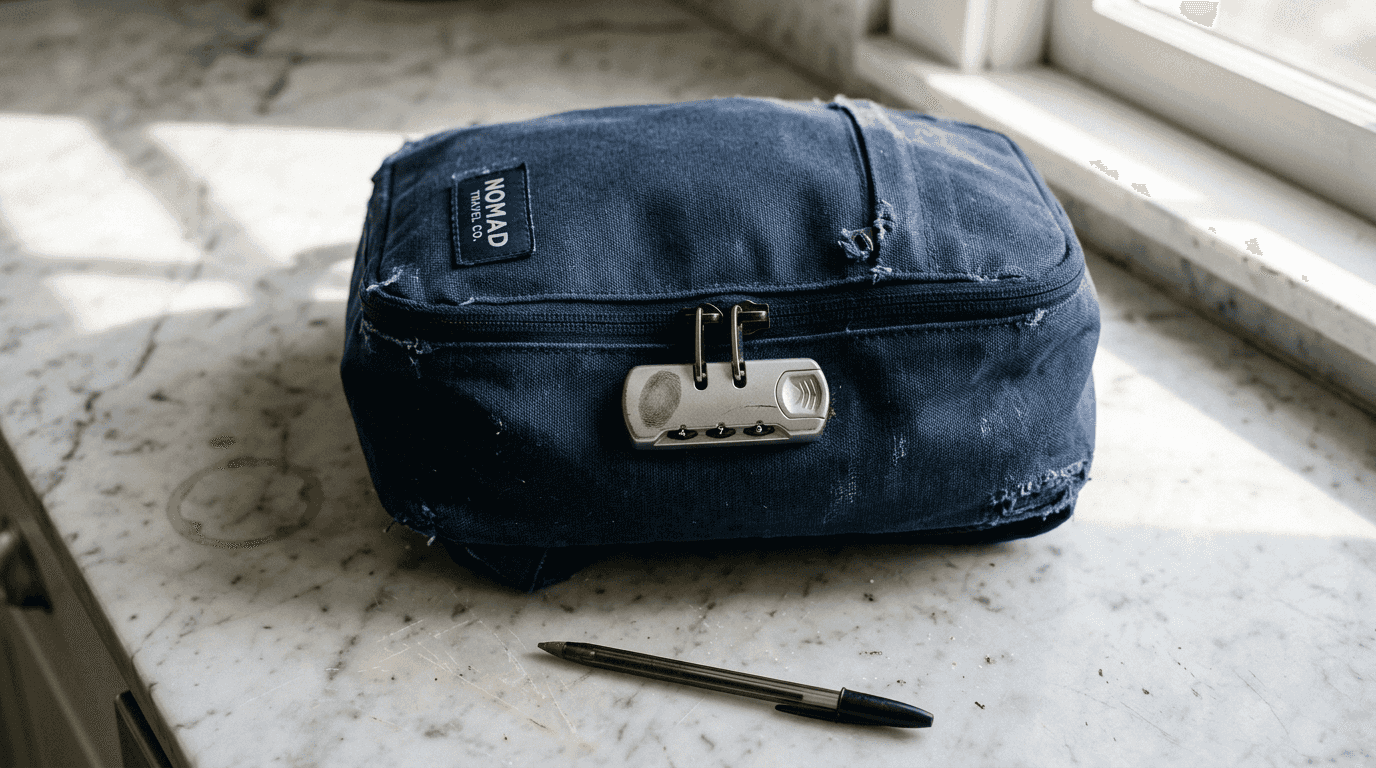
Locking mechanisms add physical security layers. Options range from simple zipper locks to combination systems and TSA-approved variants for travel. Each type balances security against convenience. A complex lock provides better protection but slows access when you need your cards quickly. Comparing different RFID-blocking accessories reveals how various locking approaches suit different usage patterns.
GPS tracking represents the newest frontier in accessory security. Integrated trackers enable real-time location monitoring and geofencing alerts if your bag moves beyond designated areas. GPS tracker adoption increased 30% among urban professionals in the past year, reflecting growing demand for recovery capabilities. These systems typically connect via smartphone apps, offering peace of mind through constant awareness.
Biometric authentication adds another security dimension. Fingerprint locks and facial recognition systems prevent unauthorized access even if someone physically obtains your accessory. The trade-off involves battery requirements, potential technical failures, and privacy considerations around storing biometric data. Not every user needs this level of security, but high-value scenarios justify the investment.
| Feature | Protection Level | Convenience | Maintenance |
|---|---|---|---|
| RFID blocking (30 dB) | High digital security | No impact on access | Test quarterly, replace yearly |
| Locking zippers | Medium physical security | Slight access delay | Lubricate monthly |
| GPS tracking | Recovery capability | Requires charging | Battery replacement, app updates |
| Biometric locks | Maximum access control | Quick for authorized users | Firmware updates, battery maintenance |
Pro Tip: Test RFID blocking before trusting it completely. Place an RFID-enabled card inside the accessory, then attempt to scan it with your smartphone’s NFC reader. If the scan succeeds, your shielding has failed or degraded beyond effectiveness.
Choosing the right fashion accessory: combining security, style and convenience
Selecting the ideal secure accessory requires balancing multiple factors beyond just security ratings. Your daily routine dictates which features matter most. Someone making frequent quick purchases needs faster access than someone primarily concerned with overnight bag security. Balancing locking mechanisms with quick access needs prevents frustration while maintaining protection.
Material durability directly impacts long-term security. Premium fabrics like 900D Oxford, Ripstop nylon, or reinforced polyester resist daily wear that compromises cheaper alternatives. Stitching quality matters equally. Double or triple stitching at stress points prevents seam failures that create security gaps. YKK zippers, while more expensive, offer superior longevity compared to generic alternatives that jam or break.
Aesthetic considerations influence whether you’ll actually use security features consistently. Bulky, obviously tactical accessories often get left home in favor of sleeker options that lack protection. The best secure accessories integrate technology invisibly. Discreet aesthetics and muted branding appeal to professionals seeking protection without advertising it. Visible security features can paradoxically attract attention from thieves curious about what merits such protection.
Style preferences vary, but certain design principles apply universally. Slim profiles prevent printing or visible outlines under clothing. Neutral colors like black, gray, or navy integrate with professional wardrobes. Minimal external branding maintains a refined appearance. Internal organization keeps cards and cash accessible without creating bulk. Understanding why RFID wallets matter helps prioritize features matching your specific security concerns.
| Design Approach | Concealment | Access Speed | Protection Level |
|---|---|---|---|
| Slim minimalist wallet | Excellent under clothing | Very fast | RFID only |
| Locking crossbody bag | Moderate visibility | Medium speed | RFID plus physical locks |
| GPS-enabled backpack | Visible but stylish | Slower with locks | Maximum multi-layer |
| Biometric card holder | Pocket-friendly | Fast for owner | RFID plus access control |
Common pitfalls undermine otherwise solid choices. Avoid accessories where RFID shielding doesn’t cover all card slots. Some designs shield only certain pockets, leaving others vulnerable. Check that locking mechanisms actually prevent zipper movement rather than just appearing secure. Verify GPS trackers offer adequate battery life for your usage patterns. A tracker dying mid-trip provides zero value.
Warranty coverage signals manufacturer confidence. Lifetime warranties on RFID shielding or multi-year guarantees on hardware suggest quality construction. Limited warranties often indicate planned obsolescence. Read warranty terms carefully to understand what’s actually covered versus marketing language. Learning about RFID fashion security benefits reveals how integrated protection outperforms aftermarket solutions.
Pro Tip: Before purchasing, research whether replacement parts are available. Zippers, locks, and GPS batteries eventually need replacement. Accessories designed for repair extend usable life significantly compared to disposable alternatives.
Maintaining and verifying your accessory’s security features
Security features require active maintenance to retain effectiveness over months and years. RFID shielding faces particular vulnerability. Studies document how shielding drops from 45 dB to 22 dB after just five industrial washes, representing a massive protection loss. Abrasion from daily use, folding stress, and UV exposure compound degradation. What starts as excellent shielding becomes inadequate without you noticing.
Proper washing preserves shielding longer. Hand wash RFID-protected accessories in cold water with mild detergent. Avoid machine washing, harsh chemicals, and high heat that accelerate breakdown. Air dry completely before use to prevent moisture damage to electronic components or metal fibers. Some manufacturers recommend spot cleaning only to maximize shielding lifespan.
Regular testing catches degradation before it compromises security. Never assume RFID blocking remains effective without verification. Download a free NFC reader app on your smartphone. Place an RFID card inside your accessory, then attempt scanning from various angles and distances. Successful scans indicate failed or degraded shielding requiring replacement. Following your RFID protection checklist systematically identifies vulnerabilities.
Lock mechanisms need periodic attention. Zippers accumulate dirt and debris that cause jamming or premature wear. Clean zipper tracks monthly with a soft brush, then apply silicone-based lubricant sparingly. Avoid oil-based products that attract more dirt. Test combination locks regularly to ensure mechanisms haven’t loosened. Replace locks showing signs of corrosion or difficulty operating before they fail completely.
GPS trackers require battery monitoring and software updates. Set calendar reminders for battery replacement based on manufacturer specifications. Update tracking apps promptly when new versions release, as updates often include security patches and improved functionality. Verify geofencing alerts work correctly by testing boundary notifications periodically.
Follow these steps to verify ongoing protection:
- Test RFID blocking monthly using your smartphone’s NFC reader with cards inside the accessory
- Inspect all zippers and locks for smooth operation, replacing or repairing any showing resistance
- Check stitching at stress points for fraying or separation that could compromise structure
- Verify GPS tracker battery level and confirm app connectivity functions properly
- Examine fabric for visible wear, tears, or thinning that might indicate shielding degradation
- Review warranty coverage and document any issues for potential claims before expiration
Storage practices between uses affect longevity. Store accessories in cool, dry locations away from direct sunlight. Avoid crushing or folding RFID-shielded sections unnecessarily. Keep locks in unlocked position when not in use to reduce spring tension. Remove GPS tracker batteries during extended storage to prevent corrosion. Learning how to check RFID blocking effectiveness ensures your investment continues protecting as intended.
Pro Tip: Create a simple maintenance schedule on your phone with quarterly RFID tests, monthly lock lubrication, and annual comprehensive inspections. Consistent attention prevents sudden failures and extends accessory lifespan significantly.
Explore secure fashion accessories at InvisiTech Wear
Finding accessories that genuinely deliver on security promises while maintaining the style you demand requires careful curation. InvisiTech Wear specializes in fashion-forward pieces integrating advanced protection without compromising aesthetics. Our collection features rigorously tested RFID-blocking technology, durable construction, and designs that complement professional wardrobes seamlessly.
Explore options like our slim pop-up RFID wallet combining minimalist design with certified shielding, or browse the complete range of RFID-blocking wallets and bags engineered for urban professionals. For maximum protection, consider our RFID shielding blocking pouch offering Faraday cage protection for phones, cards, and keys. Each product undergoes real-world testing to verify security claims, ensuring you receive genuine protection rather than marketing promises. Discover how advanced security features integrate seamlessly into everyday accessories designed for the demands of modern urban living.
FAQ
What types of locking mechanisms are best for fashion accessories?
Combination locks and locking zippers provide the most practical balance for daily use. Combination systems offer keyless convenience while maintaining security, ideal for travel or gym scenarios. Locking zippers reduce theft attempts significantly but may slow quick access, so consider how frequently you need to open your accessory throughout the day. TSA-approved locks work best for checked luggage, while simpler zipper locks suit everyday bags where you control access.
How can I verify the RFID protection effectiveness of my accessories?
Use your smartphone’s built-in NFC reader to test blocking capability. Place an RFID-enabled card inside the accessory, then attempt scanning it with your phone from multiple angles. RFID protection degrades over time, so test regularly rather than assuming initial effectiveness continues indefinitely. If scans succeed, your shielding has failed and requires replacement to maintain protection.
Are GPS trackers in fashion accessories reliable for urban safety?
GPS-enabled accessories offer reliable real-time location tracking and geofencing alerts when properly maintained. Adoption increased 30% among urban professionals recently due to improved battery life and app functionality. Reliability depends on consistent charging, cellular coverage in your area, and keeping tracking apps updated. They excel at recovery after loss or theft but require active monitoring to provide value.
How often should I replace RFID-blocking accessories?
Replace RFID-protected accessories when testing reveals degraded shielding, typically every 12 to 24 months with regular use. Factors like washing frequency, daily wear intensity, and initial shielding quality affect lifespan. Premium accessories with higher dB ratings and durable construction last longer than budget alternatives. Monitor effectiveness through quarterly NFC testing rather than relying on arbitrary timelines, replacing immediately when protection fails regardless of age.


