

Biometric clothing integrates sensors directly into fabric to monitor your heart rate, body temperature, and other vital signs continuously without bulky devices. This innovative apparel combines fashion with advanced technology, offering security features and health tracking while maintaining stylish aesthetics. You’ll discover how these garments work, their practical benefits, and how to incorporate them into your daily wardrobe.
Table of Contents
- Introduction To Biometric Clothing
- Core Technologies Behind Biometric Clothing
- How Biometric Clothing Enhances Security And Convenience
- Fashion And Design Integration Challenges And Solutions
- Common Misconceptions About Biometric Clothing
- Practical Applications And Styling Tips For Fashion-Forward Users
- Conclusion: The Future Of Biometric Clothing In Fashion
- Explore Innovative Biometric Fashion Accessories
Key takeaways
| Point | Details |
|---|---|
| Biometric clothing embeds sensors in fabric | Garments monitor heart rate, temperature, and muscle activity through conductive yarns woven into stylish apparel. |
| Continuous authentication enhances security | Built-in fingerprint or vein pattern sensors provide seamless two-factor authentication without separate devices. |
| Fashion meets function without bulk | Modern designs integrate technology invisibly, maintaining comfort and style while delivering real-time health data. |
| Sustainable materials reduce waste | Smart textiles using eco-friendly fibers decrease garment waste while providing advanced monitoring capabilities. |
Introduction to biometric clothing
Biometric clothing represents a revolutionary shift in how we think about apparel. These garments use embedded sensors to collect physiological data such as heart rate, body temperature, and muscle activity directly through the fabric. Unlike wearable accessories you attach separately, biometric clothing makes monitoring invisible and constant.
Several sensor types power this technology. Heart rate monitors track cardiovascular activity through chest or wrist placement in shirts and sleeves. Temperature sensors embedded throughout garments detect body heat variations. Motion sensors measure movement patterns and posture. Electrodermal activity sensors in fabric contact points monitor stress levels through sweat composition.
The evolution of biometric textiles accelerated dramatically over the past decade. Early prototypes from 2015 were rigid and uncomfortable. By 2020, flexible sensor arrays became commercially viable. Today’s biometric clothing in 2026 offers:
- Washable sensor integration that survives multiple laundry cycles
- Battery-free designs powered by body heat or movement
- Wireless connectivity syncing data to smartphones automatically
- Fashion-forward aesthetics indistinguishable from regular clothing
- Medical-grade accuracy rivaling dedicated health devices
This technology emerged from collaborations between textile engineers, electronics specialists, and fashion designers. The goal was creating garments that serve dual purposes: expressing personal style while providing valuable health insights. Athletes initially drove demand, but everyday consumers now embrace biometric clothing for wellness tracking and security features.
Core technologies behind biometric clothing
Understanding the technical foundation helps you appreciate how biometric apparel functions seamlessly. The magic lies in specialized sensors woven directly into fabric fibers, creating invisible monitoring systems that feel natural against your skin.
Heart rate sensors use optical technology or electrical signal detection. Optical versions shine LED light through skin to measure blood flow. Electrical sensors detect the heart’s electrical impulses through conductive threads. These sensors measure heart rate variability within milliseconds for up to 24 hours continuously, providing detailed cardiovascular insights throughout your day.
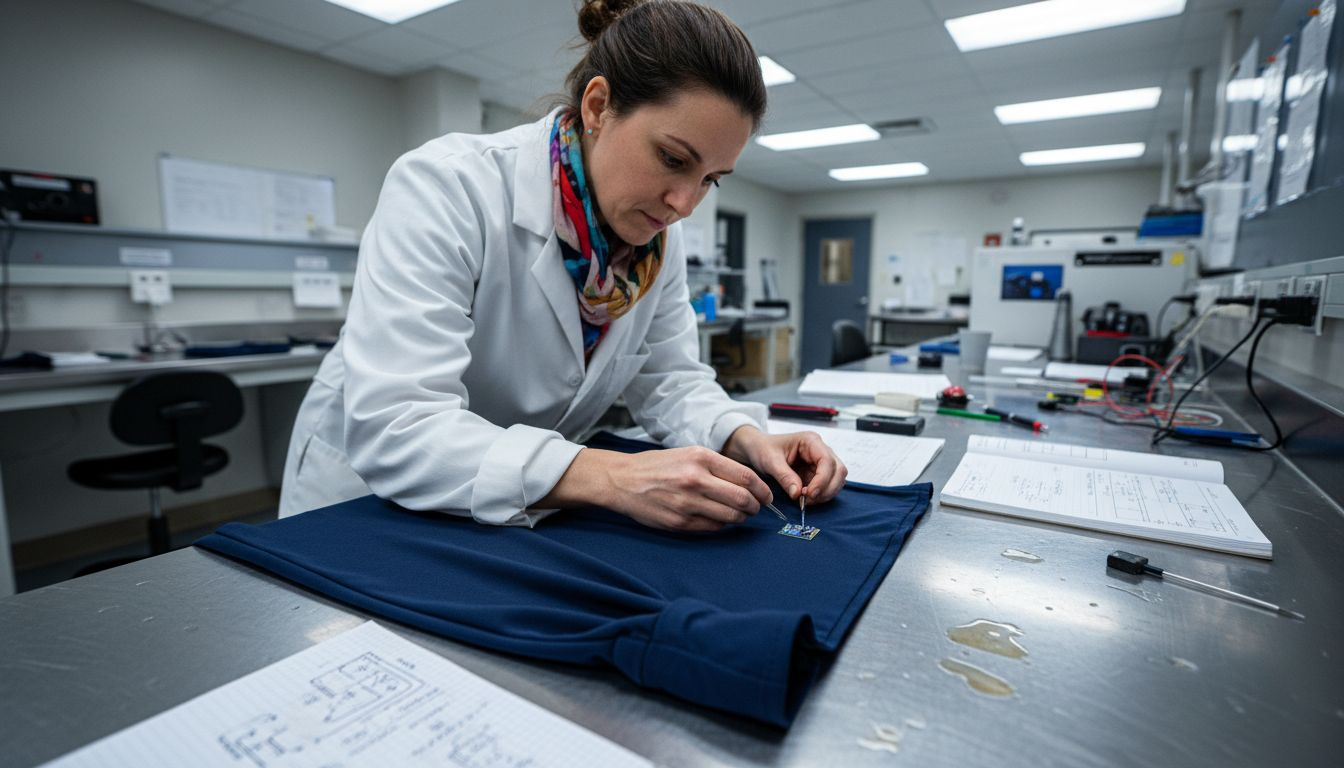
Sweat analysis sensors represent another breakthrough. Microfluidic channels in fabric collect perspiration samples. Chemical sensors analyze glucose, lactate, sodium, and other biomarkers. This data reveals hydration status, metabolic efficiency, and stress indicators without blood tests.
Authentication sensors add security dimensions. Fingerprint readers integrate into sleeve cuffs or collar areas. Vein pattern recognition uses near-infrared sensors embedded in strategic contact points. These biometric identifiers verify your identity continuously while wearing the garment.
Fabric integration relies on innovative materials. Conductive yarns and flexible sensors enable seamless integration of biometric capabilities into fabric. Silver-coated threads conduct electrical signals without stiffness. Polymer-based sensors flex naturally with body movement. Graphene-enhanced fibers provide exceptional conductivity while remaining lightweight.
Challenges persist in sensor durability and washing. Repeated laundering can degrade sensor performance if protective measures aren’t implemented. Manufacturers now use encapsulation techniques, coating sensors in flexible waterproof polymers. Connection points receive reinforced stitching. Removable sensor modules in some designs let you wash the base garment normally.
Pro Tip: Always follow manufacturer washing instructions for biometric clothing. Use mesh laundry bags, cold water, and gentle cycles to extend sensor lifespan. Remove battery packs before washing when applicable.
The tech-enabled fashion guide explores broader integration strategies. The role of design in tech apparel examines how aesthetics and functionality coexist in modern garments.
How biometric clothing enhances security and convenience
Biometric clothing transforms security by eliminating the need for separate authentication devices. Traditional methods like passwords, keycards, or smartphone unlocking require conscious actions. Biometric apparel authenticates you passively and continuously, creating frictionless security layers.
Biometric clothing can incorporate fingerprint or vein pattern sensors for secure user authentication, enabling wearable two-factor security. Your shirt sleeve becomes an access credential. Touch a door panel while wearing authenticated biometric clothing, and sensors verify your identity instantly. This technology works for building access, vehicle entry, and payment authorization.
Continuous authentication reduces identity fraud attempts by approximately 40% in trial settings. Unlike static security measures easily stolen or copied, your unique physiological signatures change dynamically. Heart rate patterns, gait analysis, and body temperature profiles create multi-layered identity verification that’s nearly impossible to replicate.
Convenience features extend beyond security. Wireless data transmission sends health metrics to your smartphone automatically. You receive alerts when vitals deviate from normal ranges. Posture correction notifications help prevent back pain during long work sessions. Activity tracking happens without wearing additional devices or remembering to charge separate gadgets.
| Feature | Traditional Security Methods | Biometric Clothing Authentication |
|---|---|---|
| Authentication Type | Static passwords/cards | Dynamic physiological patterns |
| User Action Required | Manual entry/scanning | Passive and continuous |
| Fraud Vulnerability | High (easily stolen/shared) | Low (unique biological signatures) |
| Convenience | Requires separate devices | Integrated into daily wear |
| Multi-factor Capability | Separate steps needed | Simultaneous biometric layers |
Security-focused biometric apparel shines in professional settings. Healthcare workers benefit from automatic identification when entering restricted areas. Financial professionals gain seamless access to secure terminals. Elderly individuals wearing biometric clothing receive fall detection and emergency alerts automatically.
Pro Tip: When selecting biometric clothing for security purposes, verify it uses encrypted data transmission and offers user-controlled privacy settings. Check compatibility with your existing security systems.
The evolution of fashion meets technology demonstrates how security features integrate naturally into stylish designs. Modern biometric clothing proves you don’t sacrifice aesthetics for enhanced protection.
Fashion and design integration challenges and solutions
Designers face unique obstacles when merging technology with fashion. Biometric sensors add bulk, weight, and rigidity that conflict with draping fabrics and fluid silhouettes. Power sources require strategic placement. Wiring must route invisibly through garments. These technical requirements initially seemed incompatible with fashion-forward design.
The primary challenge involves integrating technology without sacrificing style and comfort. Visible wiring, bulky battery packs, or stiff sensor patches immediately identify garments as technical rather than fashionable. Modern consumers demand seamless integration where technology enhances rather than dominates design.
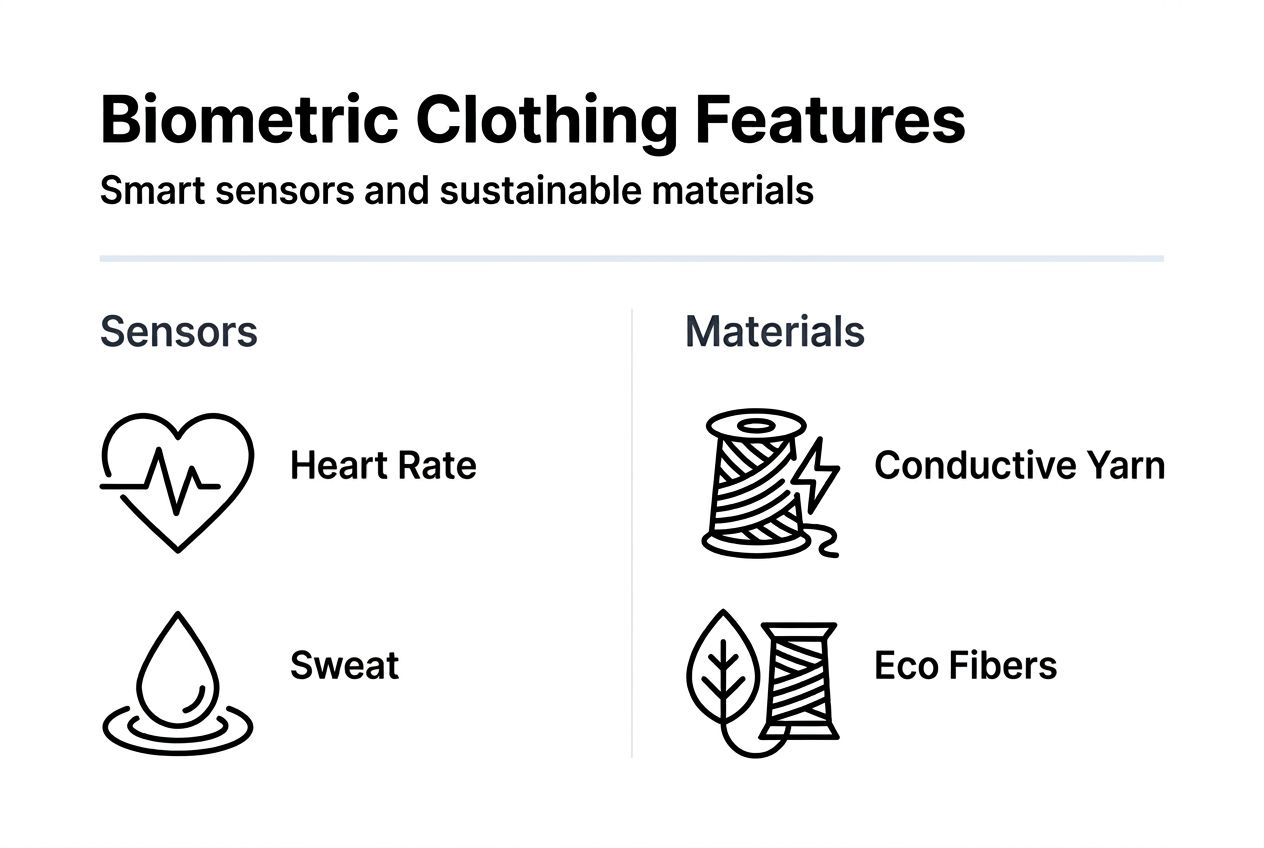
Material choices prove crucial. Smart textiles embedded with sustainable fibers can reduce overall garment waste by 20%. Organic cotton blends with conductive threads maintain softness. Bamboo-derived fabrics offer breathability while hosting sensors. Recycled polyester provides durability for active wear applications.
Innovations in power supply transformed possibilities. Energy harvesting technology converts body heat into electricity through thermoelectric generators. Piezoelectric fibers generate power from movement and pressure. Solar cells integrate into outer layers for supplemental charging. These solutions eliminate heavy batteries and constant recharging.
Sensor miniaturization reached critical breakthroughs. Modern biometric sensors measure just millimeters across and weigh less than a gram. Flexible circuit boards bend with fabric movement. Stretchable electronics accommodate body motion without cracking or disconnecting.
Top strategies designers use to overcome tech-style conflicts:
- Modular sensor systems that detach for washing and style variations
- Strategic sensor placement in seams, hems, and structural elements
- Color-matched conductive threads that blend invisibly with fabric patterns
- Dual-purpose design elements where technology serves aesthetic functions
- Collaboration between fashion designers and engineers from initial concept stages
The tech-enabled fashion guide showcases successful integration examples. Fashion meets technology explores consumer preferences shaping design directions. The role of fashion tech 2025 examines emerging trends continuing into 2026.
Sustainability considerations influence material selection increasingly. Biodegradable sensors reduce electronic waste. Repairable designs extend garment lifespans. Modular components allow upgrading technology without replacing entire garments. These approaches align with conscious consumer values while advancing technical capabilities.
Common misconceptions about biometric clothing
Several myths persist about biometric apparel that prevent wider adoption. Addressing these misunderstandings helps you make informed decisions about incorporating this technology into your wardrobe.
Myth: Biometric clothing is bulky and unattractive. Many people imagine sci-fi costumes with visible wiring and protruding sensors. Reality contradicts this assumption dramatically. Modern biometric garments look identical to regular clothing. Sensors integrate invisibly within fabric layers. Battery packs, when needed, hide in pockets or waistbands no larger than a phone. Designer collections feature biometric t-shirts, hoodies, and jackets indistinguishable from conventional fashion.
Myth: It invades privacy by constant data sharing. Concerns about surveillance and data breaches create hesitation. The truth offers reassurance. Most biometric clothing includes robust privacy controls. Data typically stores locally on your device unless you explicitly enable cloud syncing. Encryption protects transmitted information. User agreements specify exactly what data gets collected and how it’s used. You control sharing permissions through companion apps, deciding whether to share health metrics with doctors, fitness apps, or no one.
Myth: Only useful for athletes or medical patients. This narrow view overlooks broader applications. While athletes and patients certainly benefit, everyday users gain valuable insights too. Office workers monitor stress levels and posture during long desk sessions. Parents track elderly relatives’ vital signs remotely. Security professionals use authentication features for facility access. Fashion-conscious individuals appreciate the novelty and conversation-starting aspects. Biometric clothing serves anyone interested in wellness, convenience, or enhanced security.
Additional misconceptions include beliefs that biometric clothing requires constant charging, costs prohibitively, or feels uncomfortable. Modern designs address each concern. Energy harvesting reduces charging frequency dramatically. Price points now range from accessible to premium, matching traditional clothing markets. Comfort improvements mean you forget you’re wearing monitoring technology.
Understanding these realities helps you evaluate biometric clothing objectively rather than dismissing it based on outdated assumptions or incomplete information.
Practical applications and styling tips for fashion-forward users
Integrating biometric clothing into your lifestyle requires thoughtful consideration of use cases and aesthetic preferences. These garments excel in specific scenarios while complementing your existing wardrobe.
Biometric clothing can be specially designed for niche applications like athletic performance, elderly care, and security personnel, enhancing lifestyle functionality. Daily wear options include biometric t-shirts under business attire for wellness tracking. Athletic applications feature compression gear monitoring muscle fatigue and recovery. Elder care garments provide fall detection and continuous health monitoring. Security professionals benefit from authentication-enabled uniforms.
Styling biometric apparel with tech accessories creates cohesive looks. Pair biometric jackets with minimalist RFID-blocking wallets for complete security integration. Match monitoring shirts with wireless earbuds that share the same app ecosystem. Choose neutral colors in biometric base layers that work under any outfit. Select statement biometric outerwear when you want technology visible as a fashion element.
Sustainability considerations matter when selecting biometric clothing. Smart textiles embedded with sustainable fibers can reduce overall garment waste by 20%. Prioritize brands using eco-friendly materials and ethical manufacturing. Look for repairable designs with replaceable sensor modules. Choose quality over quantity, investing in durable pieces that last years rather than cheap alternatives requiring frequent replacement.
Practical style and usage tips for fashion-forward individuals:
- Start with versatile basics like biometric t-shirts or tank tops that layer easily
- Choose colors and cuts matching your existing wardrobe for seamless integration
- Test biometric clothing during low-stakes activities before relying on it professionally
- Coordinate sensor placement with your daily routine for maximum data relevance
- Maintain separate biometric pieces for athletic versus professional settings
- Update companion apps regularly to access latest features and security patches
- Create outfit combinations where biometric pieces anchor your look naturally
The fashion innovation with tech movement shows how technology enhances rather than dominates style. Combining fashion and technology offers additional strategies for cohesive integration.
Maintenance practices extend biometric clothing lifespan significantly. Store garments flat or hung to prevent sensor stress. Avoid extreme temperatures that damage electronics. Schedule regular battery replacements for non-rechargeable models. Clean according to specific care instructions, never assuming standard laundry methods work. These simple habits protect your investment while ensuring consistent performance.
Conclusion: The future of biometric clothing in fashion
Biometric clothing successfully merges style, security, and technology in ways previously imagined only in science fiction. These garments deliver continuous health monitoring, seamless authentication, and convenience features while maintaining fashion-forward aesthetics. Innovations in sustainable materials, sensor miniaturization, and power solutions overcome early design challenges.
Market growth projections show biometric clothing expanding rapidly through 2026 and beyond. More designers embrace smart textile integration. Prices decrease as manufacturing scales. Consumer awareness grows as early adopters share positive experiences. Technical improvements continue making biometric apparel more accessible, comfortable, and stylish.
You now understand how biometric clothing functions, its practical benefits, and integration strategies. This knowledge positions you to explore emerging options confidently. Whether prioritizing health monitoring, security features, or cutting-edge fashion, biometric clothing offers compelling advantages worth considering for your wardrobe evolution.
Explore innovative biometric fashion accessories
Ready to enhance your wardrobe with technology that combines security and style? InvisiTechWear offers fashion-forward accessories complementing biometric clothing perfectly. Our RFID blocking men’s slim wallet provides secure storage matching your tech-enabled lifestyle.

Explore our complete RFID blocking wallets and bags collection featuring minimalist designs that prioritize both protection and aesthetics. The RFID shielding pouch case offers portable security for phones and cards, completing your tech-fashion integration. Discover how InvisiTechWear blends innovation with everyday functionality.
FAQ
What types of biometric sensors are commonly integrated into clothing?
Heart rate sensors, sweat analysis sensors, and fingerprint or vein pattern sensors appear most frequently in biometric clothing. These enable continuous health monitoring and secure user authentication. Temperature sensors and motion trackers also integrate commonly for comprehensive physiological data collection.
Is biometric clothing suitable for everyday fashion wear?
Yes, many biometric garments are designed specifically for daily wear with stylish looks and comfort prioritized. They resemble normal fashion apparel while integrating technology discreetly through invisible sensors and conductive threads. You can wear biometric clothing to work, social events, or casual outings without appearing different from others.
How does biometric clothing protect my privacy?
Most biometric apparel includes data encryption and gives you complete control over data sharing preferences. Privacy settings in connected apps let you manage what information gets shared and with whom. Data typically stores locally on your device unless you explicitly enable cloud syncing or third-party sharing.
Can biometric clothing replace medical devices?
No, biometric clothing complements wellness monitoring but does not substitute professional medical devices for diagnosis or treatment. It offers continuous data tracking helpful for general health awareness and fitness optimization. Always consult healthcare professionals for medical concerns rather than relying solely on biometric clothing readings.


